What Is Deep Learning And How Does It Interpret Images?
Deep learning is a way for computers to learn patterns. It uses a layered system called neural networks. These networks learn by looking at many examples. In image generation, deep learning helps machines "see" and create pictures. Instead of following set rules, it figures things out by itself over time.
The Foundations of Deep Learning
- Structure of Neural Networks: Deep learning employs a hierarchy of layers. Each layer discovers different things. The initial layers recognize shapes and lines. Subsequent layers recognize more intricate concepts, such as faces or things.
- Learning From Data: The network is shown many images. It begins to identify patterns. It learns what makes a dog appear to be a dog, or what a tree typically resembles.
- Improving With Practice: The network makes guesses and then checks them. If it’s wrong, it changes how it thinks. Over time, it gets better.
How AI Interprets Image Data
AI sees pics as numbers. Each pixel has values for color and brightness. Those values get fed into the network. The network checks them out over and over. It spots shapes, colors, and edges, and puts together a complete picture in its "head." That’s how it figures out how to recreate or whip up new images.
| Prompt | Output |
| An old painter wearing a beret stands in front of an easel and paints intently in the garden at dusk, with an impressionist style, soft lighting, close-up. | 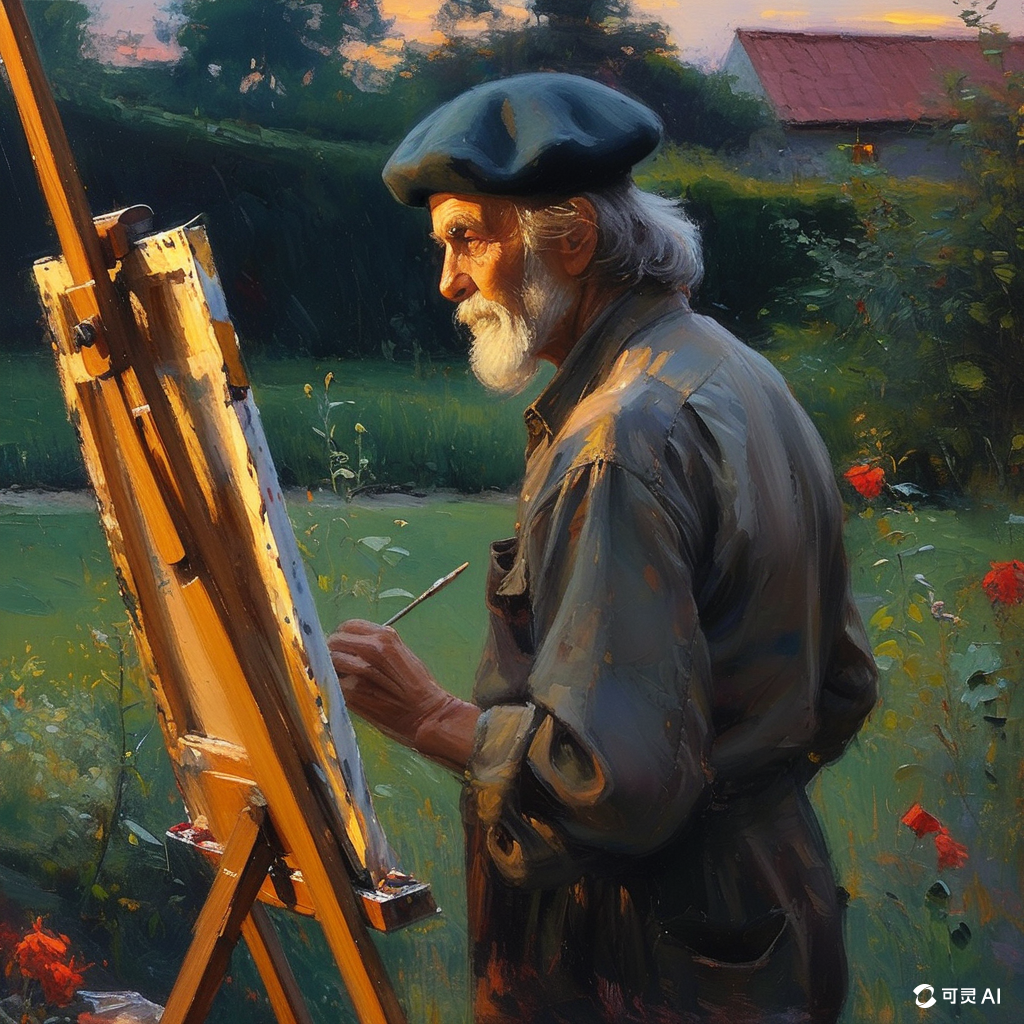 |
| A large grey- haired wolf dog wearing a blue collar happily runs on the park path in the winter morning, with a realistic style, exquisite texture, and long shot. | 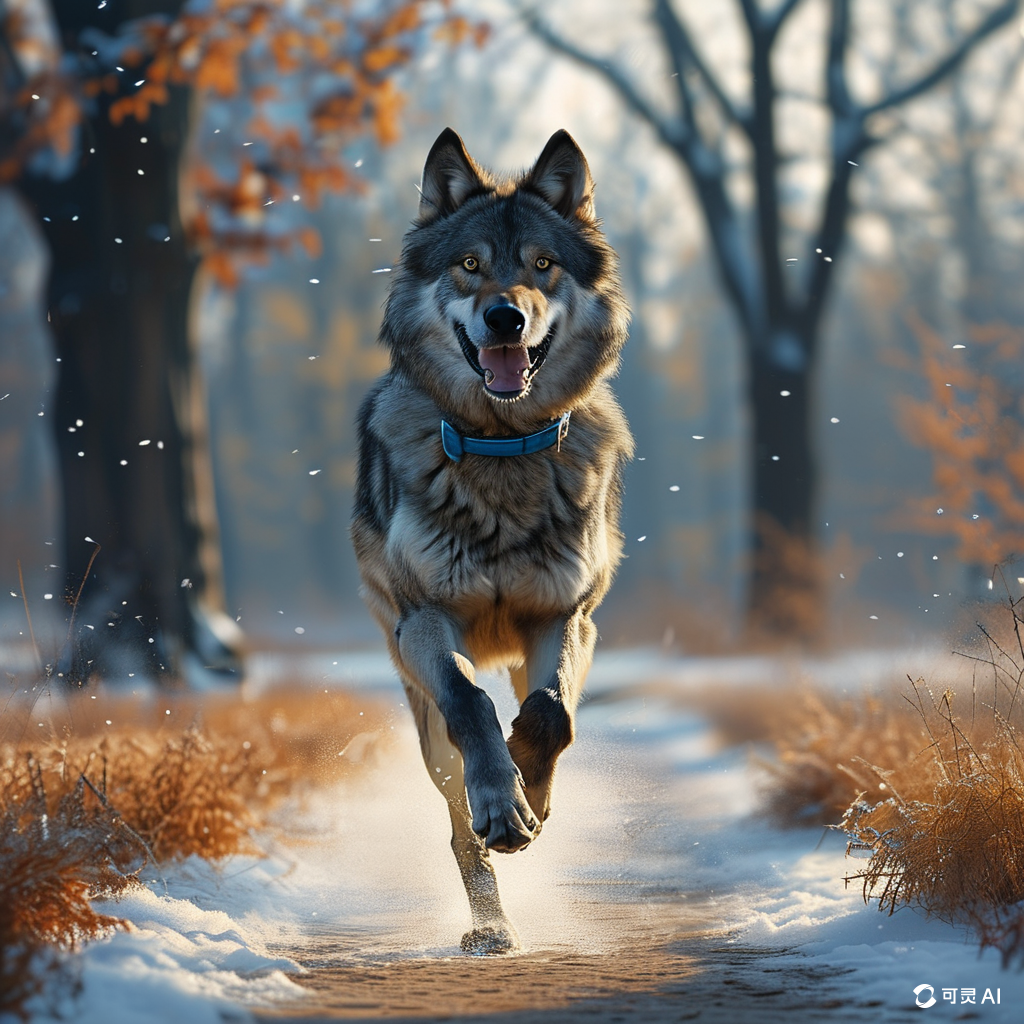 |
How Do They Create Videos from Pictures Using Deep Learning?
Videos are more difficult than images. The computer has to manage movement, time, and appearance over numerous frames.
Process Of Generating Video From Images
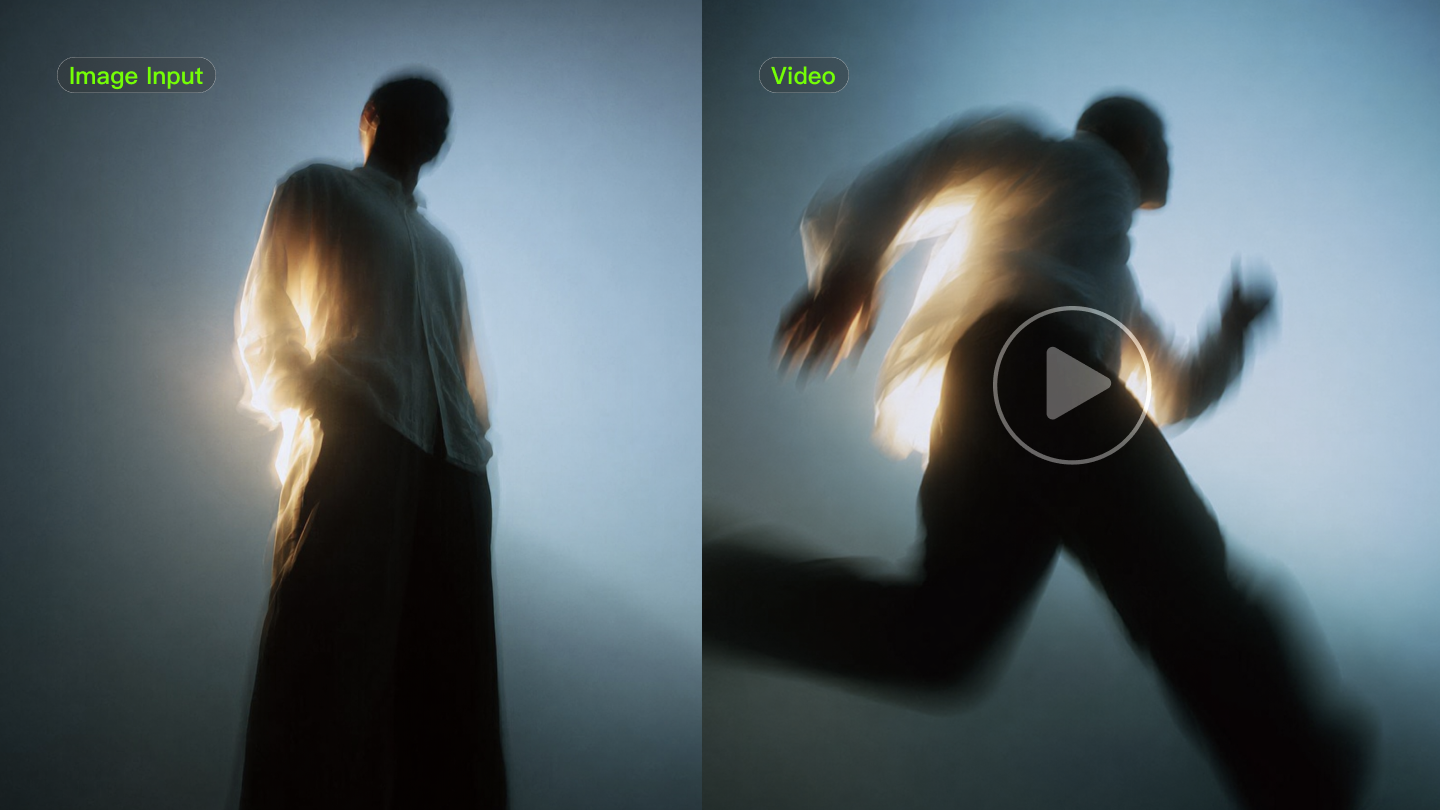
AI can capture still photos and predict what comes next. It fills in the movement between images. It makes it seem like a real video.
Some common uses:
- Creating animated stories
- Developing sketches into short films
- Making time-lapse videos
- Completing missing sections of broken footage
Technical Approaches To Maximize Generation Quality
- Smooth Transitions: The system must maintain frames linked. Items should not jump or glitch.
- Frame Prediction Models: These allow the computer to predict the next image.
- High Detail: It should maintain details with clarity. Faces and movement should appear natural.
- Less Flicker: Models are trained to prevent the video from shaking or randomly changing colors.
As computers become more powerful, video making becomes faster and much more accurate.
Why Kling AI
Kling AI bridges the gap between theoretical video prediction and practical creative workflows by implementing advanced stable motion modeling that grounds deep learning principles in high-fidelity, physics-compliant outputs. The platform’s specialized architecture allows for the precise direction of character actions and environmental dynamics, transforming static imagery into cinematic sequences that maintain rigorous subject consistency. This transition from technical theory to a unified tool ensures that the complexities of motion synthesis are handled by the underlying large models, providing creators with a stable and intuitive production environment.
| Prompt | Output |
| A scientist dressed in a white coat holds a test tube and focuses on conducting experiments in a high-tech laboratory on a future day, with a futuristic style, high contrast tones, and a top down perspective. | 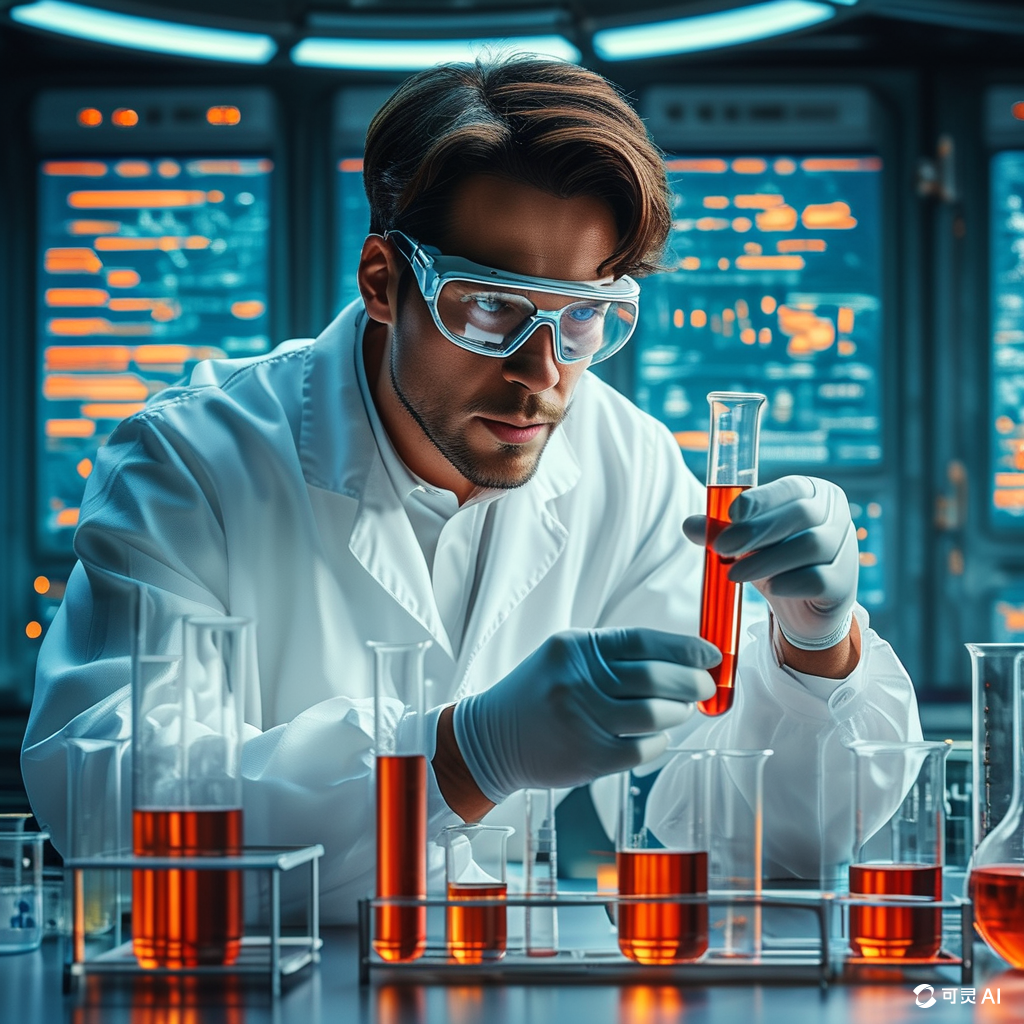 |
| A French chef dressed in traditional chef's attire holds a large pot and focuses on stirring the soup in the aromatic kitchen of a Parisian restaurant. This scene is depicted in the style of a 20th-century political poster, with oil painting techniques, warm lighting, and a close-up view. | 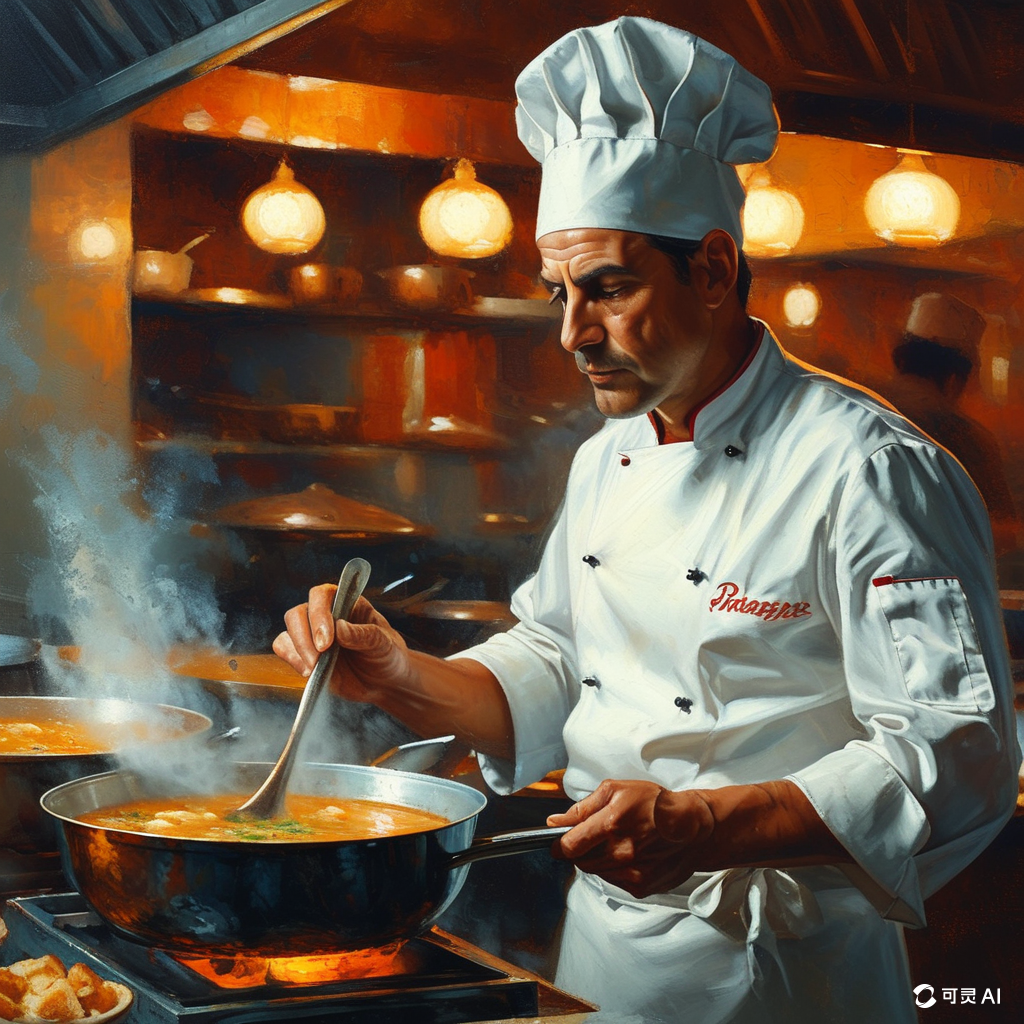 |
How Do Neural Networks Examine And Extract Image Features?
In order to create images, computers have to comprehend them first. This involves identifying the most significant components of a picture. Deep learning accomplishes this through specialized models for vision.
What Convolutional Neural Networks Do
Convolutional Neural Networks (CNNs) are effective in image tasks. They examine small sections of an image at a time. In this way, they are able to identify details such as edges, colors, or textures. After that, they combine all these sections.
So, CNNs also do this pooling thing. Essentially, it shrinks down the image information without ruining the meaning. This saves computer power and time. You'll see CNNs in things like facial recognition, medical imaging, and object detection.
Detailed Discussion Of Image Feature Extraction
- Edge and Shape Detection: CNNs search for curves and lines. These assist in delineating objects.
- Recognition of Color and Texture: Color or smoothness patterns are the prominent features.
- Position Awareness: The network also learns where objects tend to be in an image.
This process converts raw pixels into helpful data. A generator can then utilize that data to create something new.
What Are The Most Impressive Applications Of Generative AI In Images?
Generative AI is transforming the way humans produce content. It assists designers, researchers, and creators in constructing faster and more conveniently.
Application Of Generative Adversarial Networks (GANs)
GANs are two-stage systems. Half of the system generates new images. The other half determines whether or not they appear real. The two halves continuously challenge one another. Gradually, the system improves at generating fake images that appear real.
Some uses of GANs include:
- Developing new art, fashion, or advertisements
- Repairing damaged or aging photographs
- Constructing realistic faces that do not exist
- Creating deepfake videos
GANs are potent. However they require ample training and caution to prevent errors or bias.
Future Of 3D Image Generation Technology
Deep learning can also create 3D images today. That is, not only 2D pictures, but objects that you can rotate, zoom, and inspect. Technologies such as neural radiance fields (NeRFs) assist in this.
This is useful for:
- Game development
- Virtual reality
- Medical planning
- Engineering design
3D image creation is expanding rapidly. It will be a component of numerous sectors in the near future.
Why Kling AI
Kling AI transitions these foundational deep learning concepts into the practical realm by directly applying advanced synthesis models to convert static visual assets into dynamic, high-fidelity narratives. By integrating sophisticated image generation with video modeling, the platform ensures that theoretical breakthroughs in image synthesis find immediate utility through low-threshold creation tools that democratize professional-grade output. This shift allows users to bypass the technical complexities of model training, instead focusing on the creative application of deep learning to achieve stable and aesthetically superior results.
What Are The Primary Concerns Deep Learning Has To Address In Image Generation?
Despite tremendous advancements, deep learning has limitations. Image generation is still fraught with issues.
Managing Complex Problems In AI Image Creation
- Bias in Data: Unless the training images are varied, the outcomes can be unfair or partial.
- Strange Artifacts: Sometimes, the AI adds weird shapes or mixes things up in odd ways.
- Generalization Difficulty: It can perform well on known data but fails on something new.
- High Resource Utilization: It requires time, electricity, and powerful computers to train large models.
To fix these, researchers are:
- Developing improved, more varied datasets
- Incorporating human checks in the process
- Adopting more intelligent training techniques
- Experimenting with smaller, leaner models
| Prompt | Output |
| A furry polar bear standing on the icy tundra at winter dusk gazing into the distance, in an lmpressionist style with soft tones, in a medium shot. |  |
| A pure white lotus blossom quietly blooming on the water's surface in a summer noon pond, floating among green leaves, in a watercolor style with soft colors, in a close-up view. |  |
Frequently Asked Questions
Q1. Can AI Image Generation Happen Without Being Online?
Yes, if the model is pre-trained, you can execute it offline without any issues. Most of the lightweight versions can operate on local machines. However, training new models typically requires online data and cloud computing. That being said, after downloading, applications such as local GANs or AI-powered image editors can function offline.
Q2. Is It Possible To Control What The AI Generates?
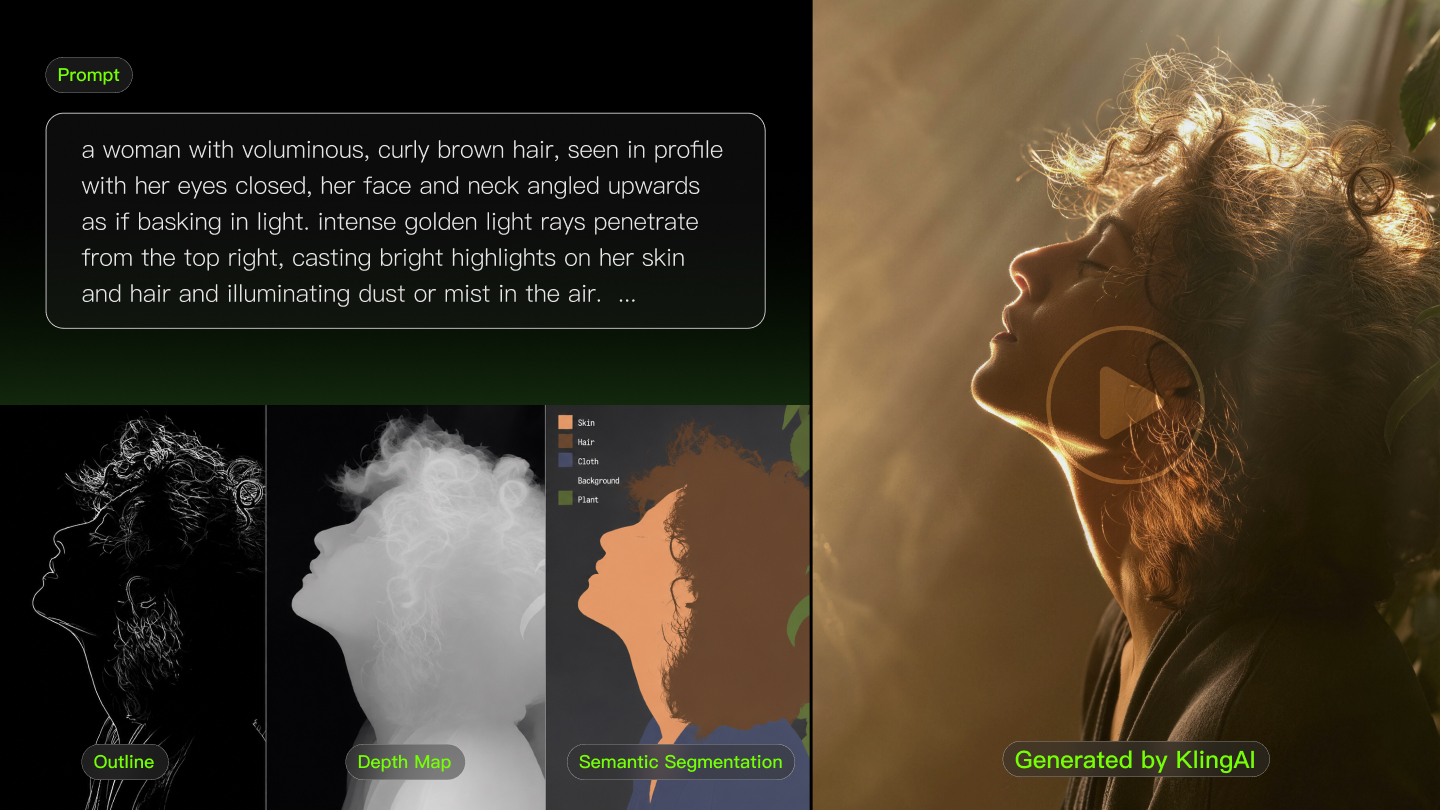
Yes, through a thing known as conditioning. You can direct the output using text, style, or sample images. For instance, instructing the system "a red bird on a snowy tree" keeps it on track. Some sites even allow you to draw outlines to influence the outcome further.
Q3. Are There Rules Or Limits On What You Can Generate?
Yes. Most tools carry safety filters. These prevent users from generating harmful, false, or offensive content. Additionally, some results might be under copyright or raise ethical concerns. So designers should review local legislation and utilize images responsibly.
Q4. Can AI-Generated Images Be Used In Commercial Projects?
Usually yes, but it varies with the license and origin of the tool. A few websites permit complete commercial usage. Others might restrict it or ask for a fee. It's always ideal to review the terms prior to utilizing AI-generated images in advertisements, products, or public media.
Q5. Do You Always Need a Big Dataset for Image Generation?
Not necessarily. Pre-trained models such as Stable Diffusion or GANs can completely deal with small prompts. But in case you are considering creating a custom model from scratch, you're going to require a lot of labeled images. Transfer learning can also reduce that requirement.
Image Generation Sharing Success Stories And Summarizing Experiences
Deep learning is transforming the way we consider creativity and images. Artists can develop new styles more quickly. Engineers can try out ideas in 3D before creating them. Doctors can view clearer scans. And storytellers can bring concepts to life in motion. If you're dealing with visuals, regardless of the field, this is a good moment to experiment with deep learning tools. Begin with small pilot tests, select a solid platform, and observe where the technology will lead you.