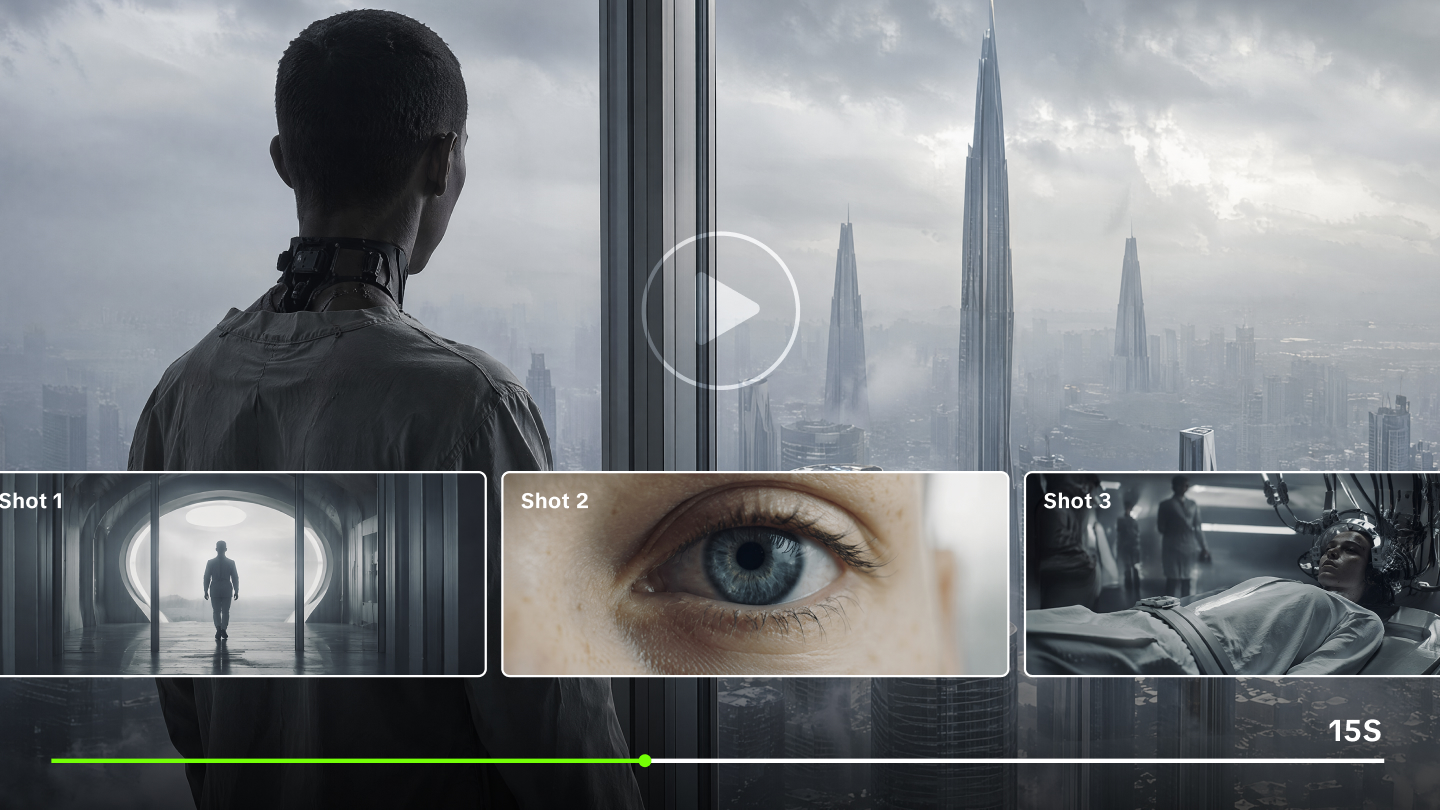
Cinematic storytelling is reaching new heights. Digital creation tools now offer the time needed to build a real plot. Short loops are moving aside for full scenes. Modern frameworks allow creators to shape action with professional precision. Narrative depth becomes possible with native synchronization and stable visuals. A new era for digital directors is now starting.
Narrative Length in Kling VIDEO 3.0
The transition to a Kling 3.0 15s video is a fundamental change in how artificial intelligence handles time. Previous models often reached a limit at five or ten seconds, which restricted the ability to develop a full story arc. A fifteen-second window provides the necessary space for a beginning, a middle, and a resolution. That duration allows the model to accommodate more complex action sequences and scene development without losing coherence.
Longer generation times solve the problem of fragmented assembly. Creators previously had to stitch together multiple short clips to form a narrative. The current model produces a continuous story with a real sense of flow and progression. Such a breakthrough means the AI understands how to maintain the logic of a scene over a longer period. Whether the video focuses on the delicate unfolding of a long shot or the progression of multiple plotlines, the results remain cinematic.
Technical improvements in temporal consistency support the extended length. The architecture utilizes a specialized attention mechanism to maintain character and environmental consistency across the full fifteen-second duration. That mechanism prevents the visual drift or hallucination that often occurs when a model attempts to generate long sequences. High visual fidelity, including realistic textures and lighting, stays stable from the first frame to the last.
Variable Duration AI Video and Precise Timing
The introduction of variable-duration AI video gives creators the flexibility to choose a specific length for their projects. Users are no longer forced into a fixed timeframe. The system supports any duration between three and fifteen seconds. That range allows for different types of content, from quick social media reactions to detailed narrative segments.
Precise control over timing serves different creative needs. A short three-second clip might focus on a single action like a blink or a smile. A ten-second generation might cover a simple dialogue exchange. The full fifteen-second option is best suited for complex narratives or sequences with multiple camera cuts. The model uses a dynamic time step scaling technique to confirm that the pacing of the action matches the requested length.
Creators set the duration via a slider or numerical input in the generation interface. That simple setting defines the entire temporal logic of the video. Shorter videos generate faster and require fewer resources, while longer videos allow for deeper storytelling. The ability to customize the length in such a granular way provides a level of directorial freedom that was previously unavailable in AI video tools.
Prompt | Output |
|---|---|
| Realistic office texture, one-shot long take with no cuts, steady medium shot tracking a professional woman with the camera perfectly synchronized to her movement: the camera moves when she walks and pauses instantly when she stops, ensuring natural action and smooth cinematography; she exits the elevator as the doors close naturally behind her, then enters the office area while removing her sunglasses and placing them into her tote bag, nodding to colleagues she passes; she pauses briefly as the camera stops synchronously to hang her bag on a coat rack; once hung, she continues walking with the camera following again; an assistant in a formal shirt approaches to hand her a document and a pen while the camera maintains its tracking; finally, she reaches her desk, sits down in her chair, picks up a cup of tea from the desk, and takes a gentle sip with relaxed and natural movements. | 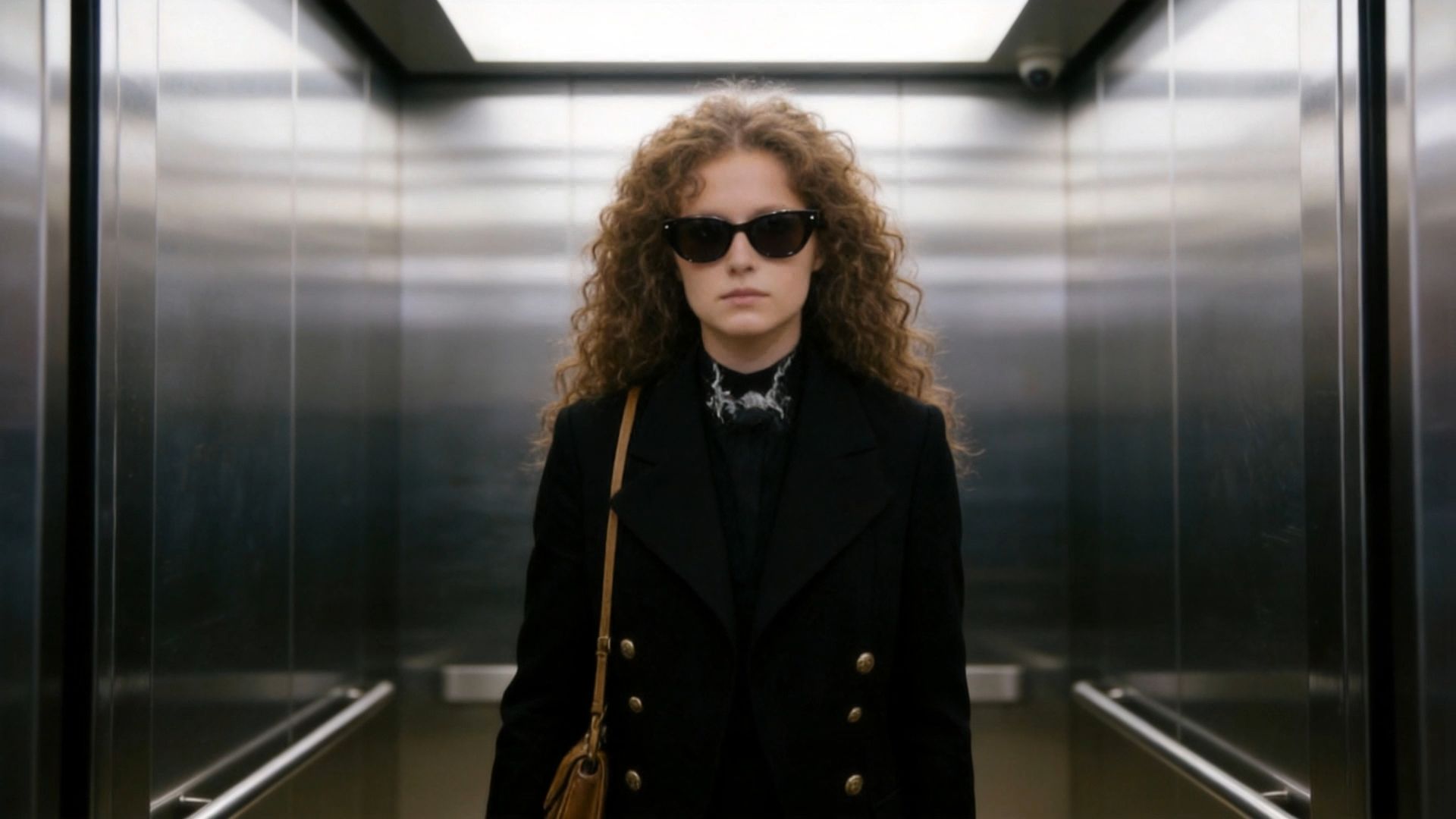  |
Storyboard Narrative 3.0 and the AI Director
Kling VIDEO 3.0 introduces Storyboard Narrative 3.0 to manage complex cinematic structures. That feature acts as an onboard AI director that understands the nuances of film language. It recognizes concepts like shot reverse shot dialogues, cross-cutting, and voice-over structures. The system can interpret a single prompt and automatically plan multiple camera angles and transitions.
The model possesses a deep understanding of shot types and coverage. It can handle transitions between a wide establishing shot and a tight close-up with high precision. That capability simplifies the task of creating a cinematic sequence. A creator provides the vision, and the AI handles the technical execution of camera movements and compositions. Such a workflow makes complex audiovisual expressions accessible to a wider range of creators.
Storyboard Narrative 3.0 supports both automatic and manual modes. In automatic mode, the AI splits a high-level description into logical shots. In manual mode, the user defines every segment. That flexibility allows for both rapid experimentation and professional-level precision. The system confirms that the transitions between shots are smooth and follow the logic of the narrative.
Manual Shot Allocation and Sequence Planning
Professional creators often require exact control over when a camera cut occurs. Custom Multi Shot mode allows for the definition of up to six distinct shots within a single generation. Users explicitly assign a length to each shot to control the pacing of the video. That manual allocation confirms that critical narrative beats receive the correct amount of focus.
The total duration of all shots must equal the chosen output length. For example, a fifteen-second video might consist of four shots with durations of three, four, five, and three seconds. That level of detail allows a creator to plan a sequence like a professional storyboard. The AI follows these instructions strictly to generate a multi-shot video that meets specific expectations.
Planning a sequence involves thinking about the visual hierarchy of the story. A longer shot might be used for emotional reflection or environmental detail. A series of shorter shots can create a sense of urgency or fast-paced action. Through defining each shot individually, the user guides the AI in creating a rhythm that enhances the story.
Automatic Storyboard Logic and Smart Pacing
Smart Storyboard mode provides a faster way to achieve cinematic results. A user writes a single detailed prompt, and the AI Director breaks the text into multiple shots automatically. The system analyzes the verbs and nouns in the description to determine the best camera angles. It might choose a close-up for a dialogue line and a wide shot for an action sequence.
The automatic system uses standard cinematic conventions to plan the cuts. It understands the importance of shot variety and appropriate pacing. If a scene involves a conversation, the model might automatically implement a shot reverse shot pattern. Such automation allows creators to focus on the story rather than the technical details of camera placement.
Pacing in automatic mode is determined by the complexity of the prompt. The AI evaluates the narrative intensity and adjusts the frequency of cuts accordingly. A calm description might result in fewer, longer shots. A high-action description might trigger more frequent transitions. That smart pacing confirms that the visual energy of the video matches the tone of the text.
Prompt | Element | Output | |
|---|---|---|---|
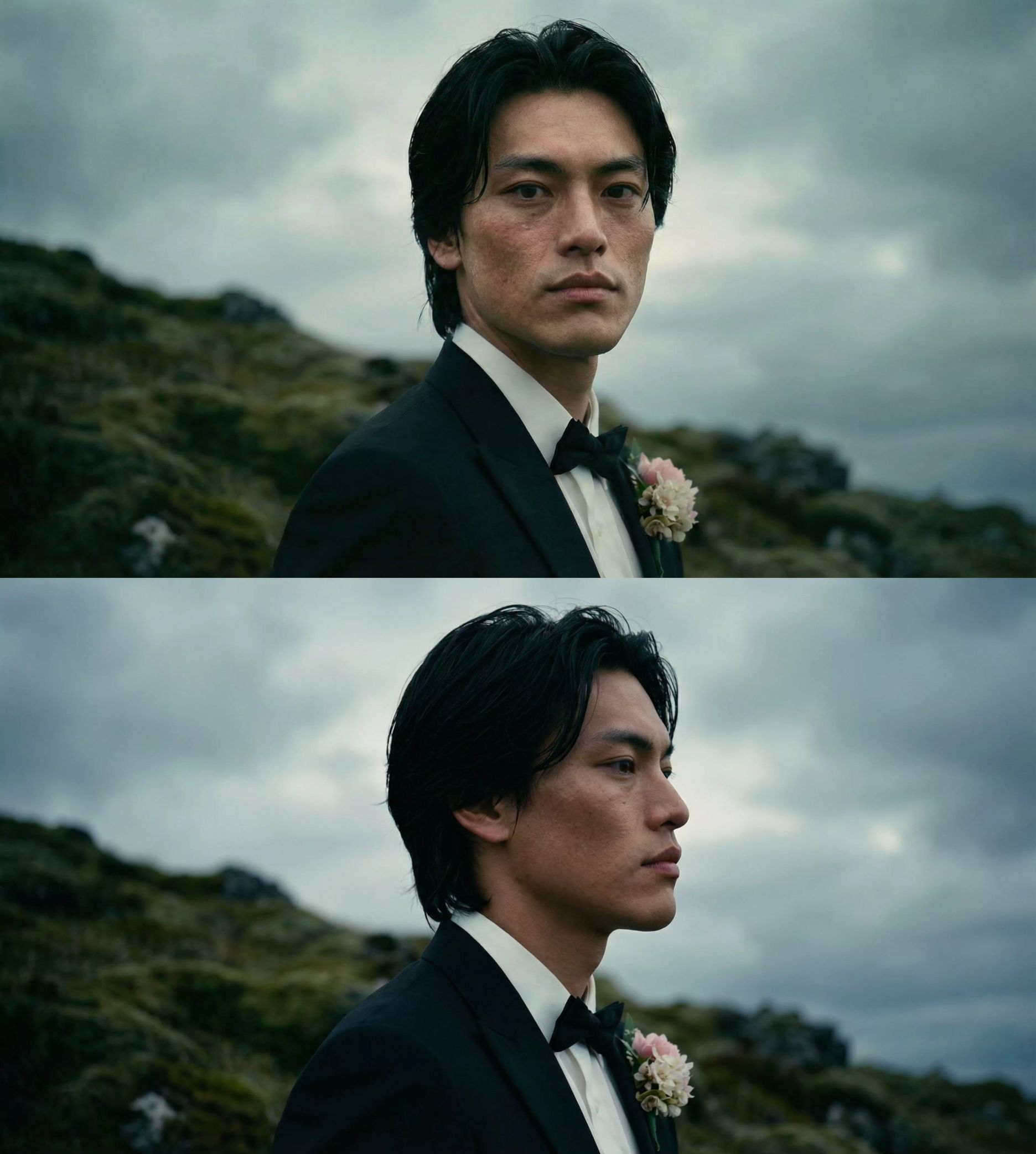
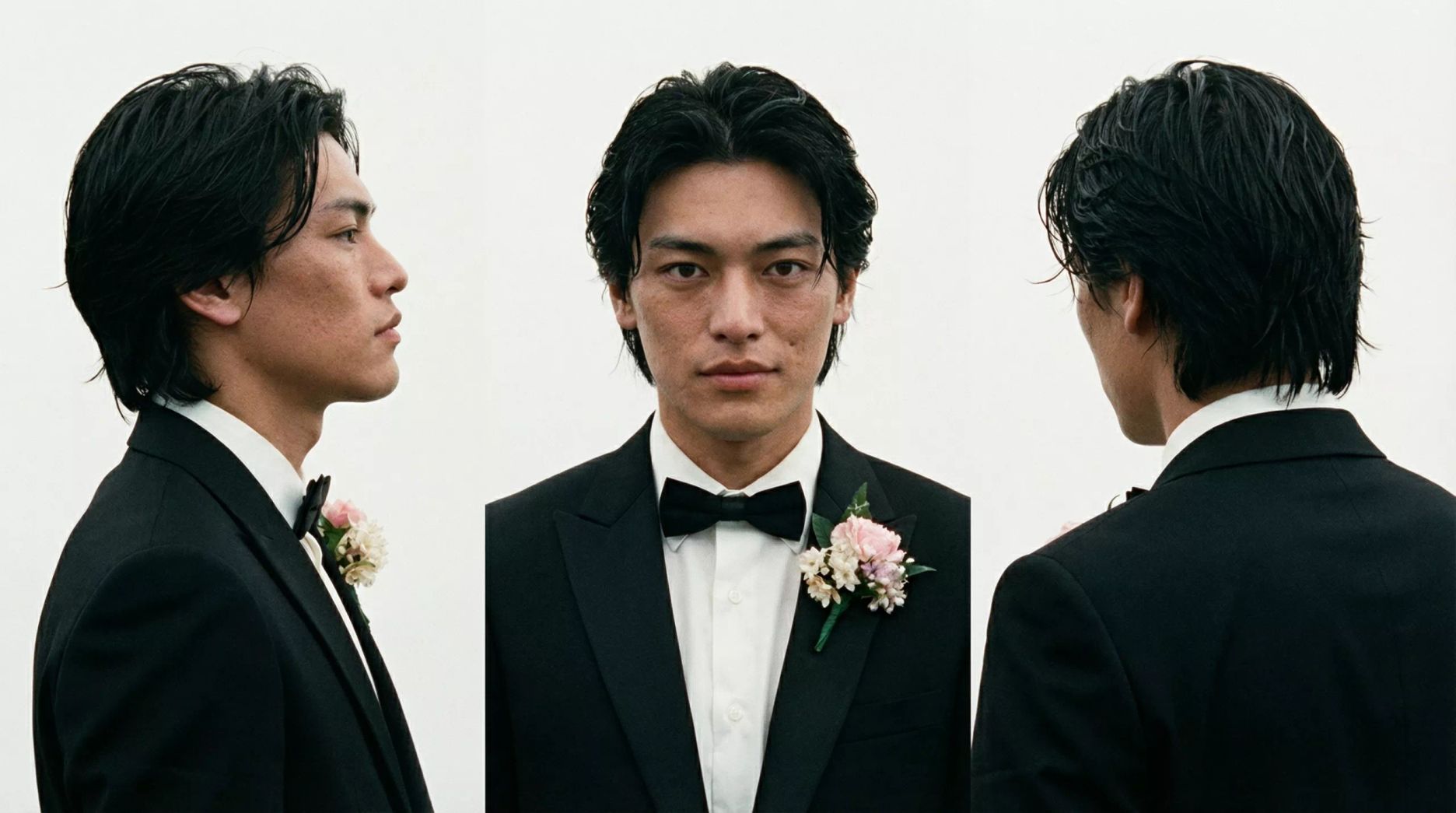
| Shot 1, 15s, windy day on a mountain in Iceland; @Male lead says with an irrepressible smile, “你说我们这场婚礼会不会太过简单了,没有其他人为我们祝福的感觉”; then the camera orbits around the subjects to reveal @Female lead standing opposite, who smiles and says, “风声,风声就是他们给我们的祝福”; cinematic quality, handheld camera feel. | 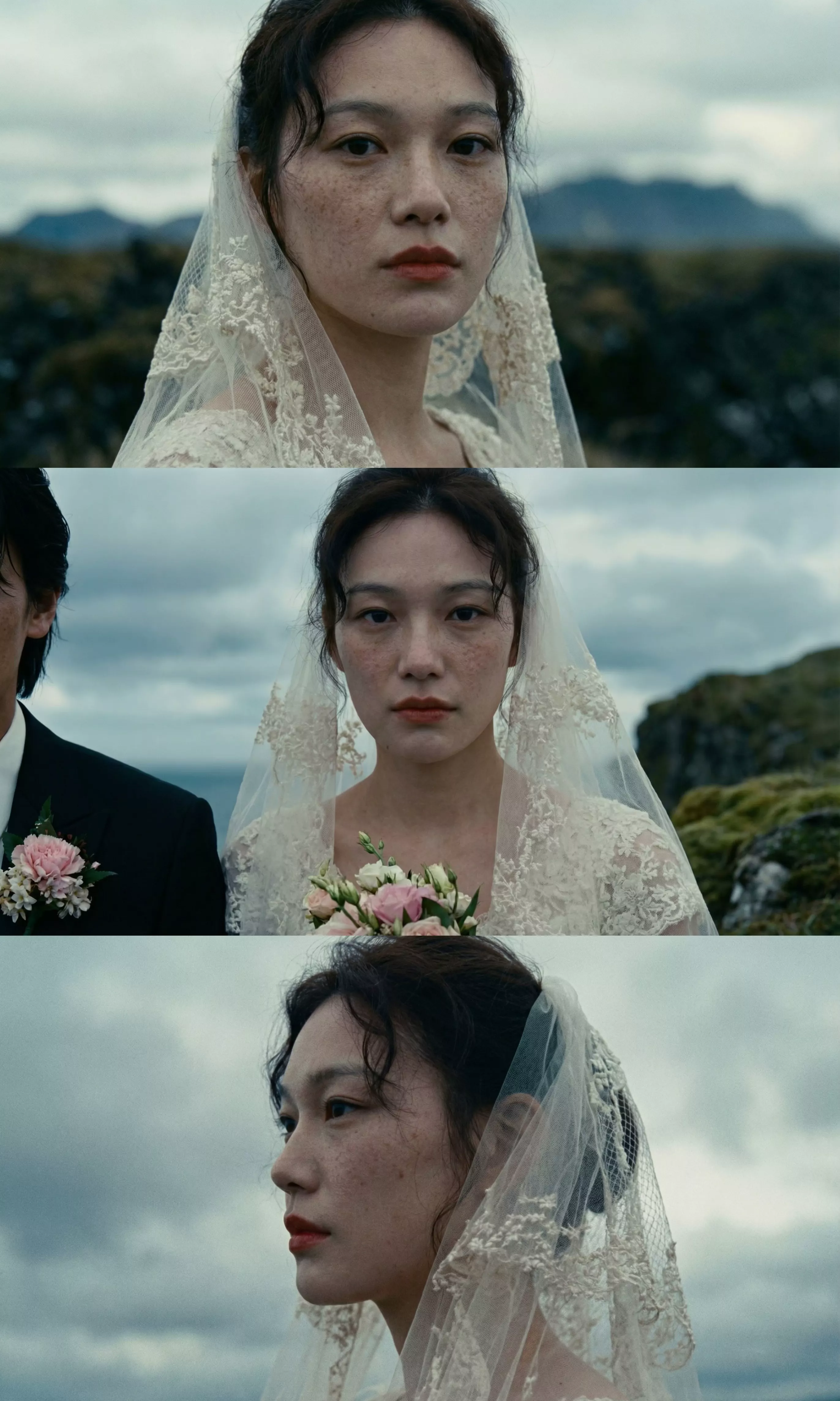 | 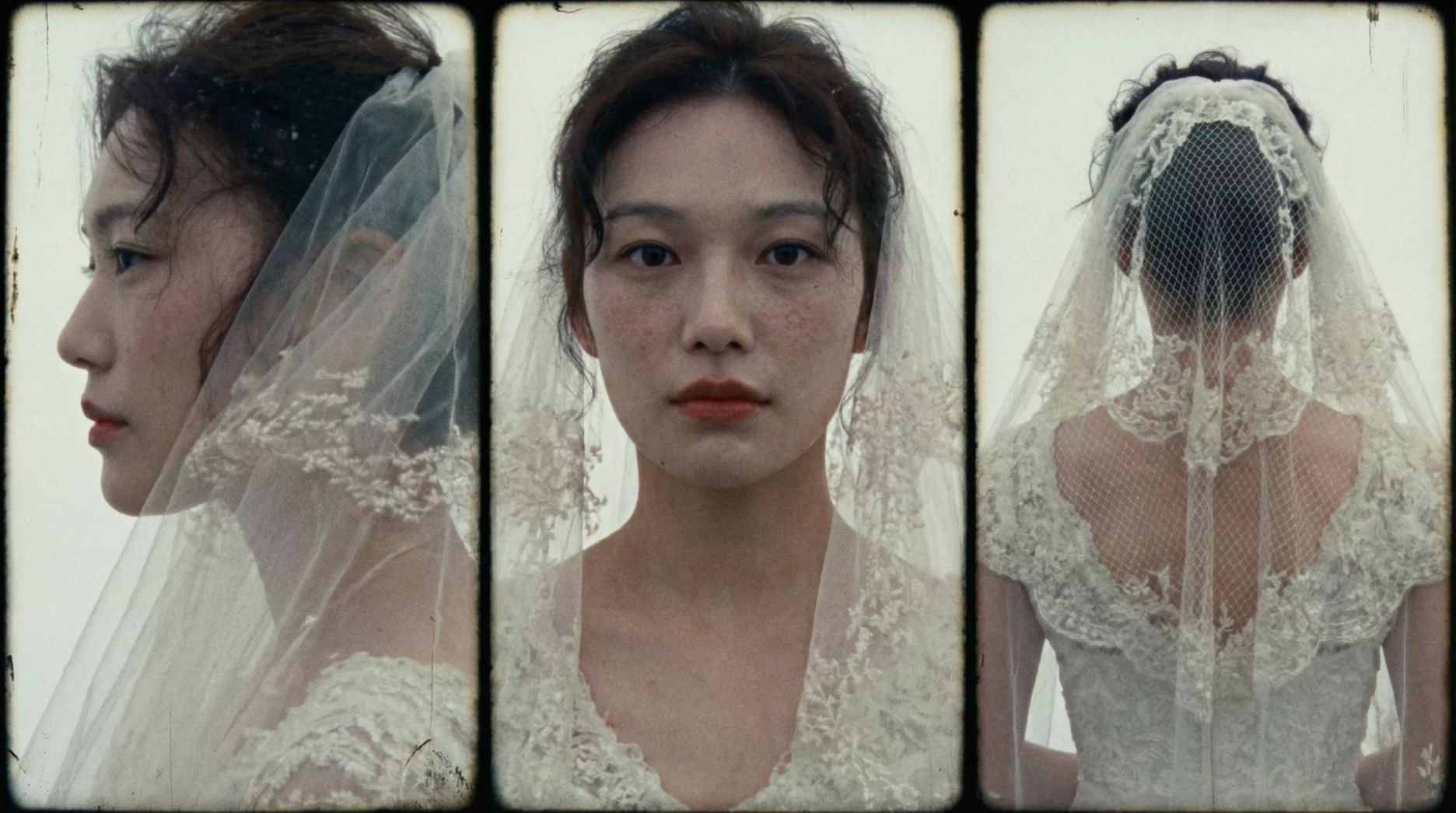 | 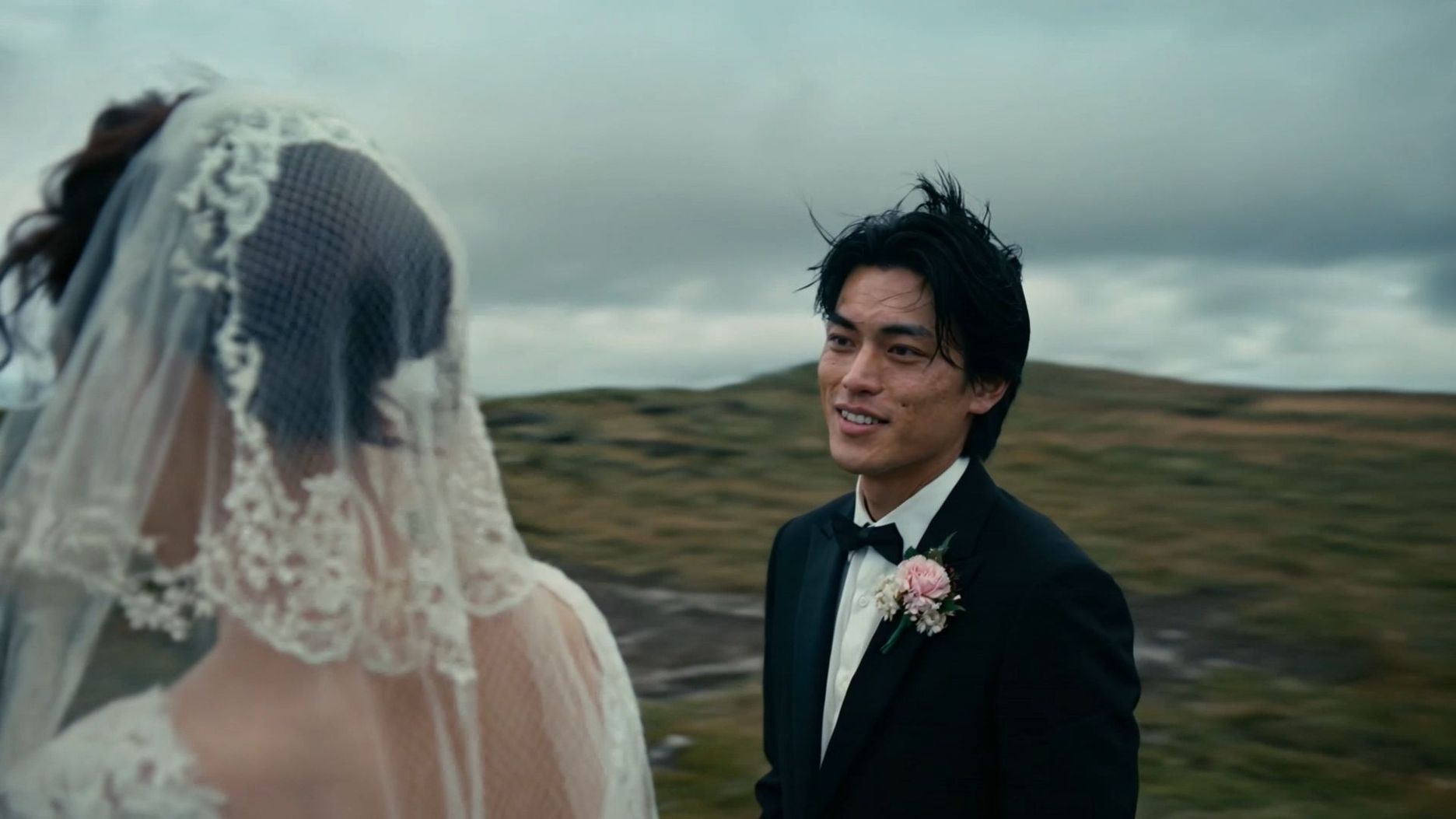 |
 |  | ||
Native Audio Integration and Lip Sync Accuracy
Kling VIDEO 3.0 Omni integrates native audio generation directly into the visual stream. That unified architecture means the sound and visuals are created together rather than in separate steps. The model generates dialogue, environmental sound effects, and background music that are perfectly synchronized with the action. Such integration results in a more coherent and realistic experience.
The system supports multiple languages, including Chinese, English, Japanese, Korean, and Spanish. It also understands authentic dialects and accents. Characters speak with natural mouth movements and facial expressions that match the audio. In multi-character scenes, the user can specify which character is speaking to avoid confusion. That level of audiovisual alignment is essential for high-fidelity storytelling.
Native audio extends to character voice binding in Kling VIDEO 3.0 Omni. A user can upload or record a voice sample to extract a unique tone. The AI then applies that voice to the character throughout the video. That feature confirms that a character always sounds the same, regardless of the scene or shot. Such consistency is a critical requirement for professional narrative work.
Character Stability and Element Consistency
Maintaining the identity of a subject across multiple shots is a challenge in AI video. Kling VIDEO 3.0 addresses that through Elements 3.0 and subject binding. These features lock the core features of a character or object throughout the generation process. Such a mechanism confirms that a person does not change appearance when the camera angle or lighting shifts.
Creators bind characters and props using reference images or videos. The model extracts the visual traits of these elements and preserves them across the entire fifteen-second window. That stability is necessary for projects that involve a recurring protagonist or a specific branded product. The system supports binding up to three elements in a single task to maintain complex interactions.
Consistency extends to the environment and lighting. The AI Director confirms that the background remains coherent even as the camera moves through the scene. Whether the camera performs a 360-degree pan or a fast tracking shot, the features of the elements remain accurate. That industrial-grade consistency allows for the creation of persistent worlds where the rules of physics and visual logic are respected.
Writing Prompts for Narrative Control
Mastering the Kling 3.0 15s video requires a new approach to prompt engineering. Instead of describing a single moment, a creator should describe a sequence of events. The prompt should include details about the setting, the subjects, the motion, and the audio. Using specific cinematic terminology helps the AI Director understand the intended visual style.
A structured prompt for a multi-shot sequence might look like a series of instructions. For example: "Shot 1, 4s: A wide tracking shot of a mountain range. Shot 2, 6s: A close-up of a climber reaching for a ledge. Shot 3, 5s: An aerial view of the summit." That format provides the model with a clear roadmap for the generation. The AI then applies appropriate transitions and camera movements to connect these shots into a fluid narrative.
Describing motion explicitly is another key technique. Terms like "slow dolly push," "shaky handheld," or "gradual zoom" provide the model with precise instructions for camera behavior. The AI Director interprets these cues to create a dynamic and engaging visual experience. Using specific time markers within the prompt also helps in controlling the narrative rhythm and ensuring that the most important actions happen at the right moment.
Text Rendering and Commercial Usability
The ability to produce clear and structured on-screen text is a major upgrade in Kling VIDEO 3.0. Previous models often struggled with text, leading to distorted or unreadable characters. The current version can reliably preserve original signage, captions, and brand logos. That capability is a significant step toward usable commercial video generation.
Professional creators use that feature for e-commerce ads, product videos, and branded content. Readable text confirms that a marketing message is delivered clearly to the audience. The model understands how to lay out typography within a scene to maintain realism. Whether the text appears on a package, a storefront, or as a digital overlay, the results remain sharp and stable throughout the camera motion.
Text preservation works best in image-to-video scenarios where the original image provides a reference for the lettering. The AI Director confirms that the text does not drift or change shape as the video progresses. Such precision allows brands to maintain their visual identity without the need for extensive post-production editing. This feature makes the tool a viable choice for high-end advertising projects.
Advanced Physics and Realistic Interactions
Kling VIDEO 3.0 features a sophisticated physics simulation that enhances the realism of motion. The model understands how gravity, inertia, and environmental factors influence the behavior of objects and characters. That simulation confirms that a dress billows naturally in the wind or a motorcycle kicks up dust in a realistic way. Such attention to physical detail is a core differentiator of the 3.0 model.
Realistic interactions are particularly important in scenes involving impact or complex movement. The system confirms that the relationship between subjects and their environment remains plausible. Motion remains coherent across time, even when multiple elements are moving simultaneously. That level of physical accuracy creates a stronger sense of immersion for the audience and elevates the overall quality of the narrative.
The physics engine also improves the quality of camera motion. The AI Director can execute complex trajectories that feel grounded and intentional. Whether the camera performs a low-angle stabilizer movement or a high-contrast cinematic tracking shot, the motion feels smooth and professional. That combination of subject and camera physics results in a final output that is indistinguishable from traditional film footage.
Practical Workflow for Professional Directors
Adopting the Kling 3.0 15s video into a production pipeline involves a clear sequence of steps. Professional directors use a structured workflow to confirm that the final result matches their creative vision. That process starts with ideation and ends with the final high-definition render.
The first step is defining the narrative structure. A director decides on the total duration and the number of shots required to tell the story. The next step is preparing the visual references. Using the Element Library to build consistent characters and props confirms that the visual identity stays stable. Then, the director constructs the sequence prompt, using cinematic language and time markers to guide the AI.
Once the generation parameters are set, the director performs a draft generation at a lower resolution to verify the flow and pacing. If the results are satisfactory, the final generation is executed at 1080p or 4K. That iterative process allows for fine-tuning and reduces the risk of credit waste. The final output is then ready for professional use, with synchronized audio and industrial-grade consistency.
Future Outlook of AI Storytelling
The launch of the Kling 3.0 model series is a major leap in AI video technology. Through providing longer durations, native audio, and advanced storyboard control, the platform empowers everyone to become a director. The ability to produce a production-ready cinematic sequence from a single prompt changes the landscape of digital content creation.
As the models continue to evolve, the boundaries between AI generation and traditional filmmaking will continue to blur. Future updates may bring even longer durations and more sophisticated directorial tools. The current capabilities already meet the needs of high-fidelity use cases like e-commerce advertising and narrative short films. The focus on narrative depth and structural control confirms that Kling AI remains a leader in the industry.
Professional creators who master these tools will have a significant advantage in the rapidly changing world of video production. The combination of creative vision and AI-powered execution allows for the production of high-quality content. Storyboard Narrative 3.0 and the 15s generation window provide the foundation for a new era of storytelling where the only limit is the imagination of the creator.
Frequently Asked Questions
Q1. How Does Video Duration Influence Narrative Development?
Extended durations allow for a beginning, middle, and end within a single scene. With Kling VIDEO 3.0, the 15-second window provides the necessary space for complex action sequences and plot progression. Such a breakthrough removes the need for fragmented assembly, providing a real sense of flow that mirrors professional cinema.
Q2. What is the Role of an AI Director in multi-shot storyboarding?
An AI director automates the planning of camera angles and transitions. Through Kling VIDEO 3.0, the Storyboard Narrative 3.0 feature understands cinematic languages like shot reverse shot dialogues. That capability enables the system to adjust compositions to match creative intent, providing a complete cinematic sequence without manual editing.
Q3. How Does Native Audio Synchronization Improve Digital Content Realism?
Native synchronization generates visuals and sound together within a single unified framework. In Kling VIDEO 3.0 Omni, dialogue, sound effects, and music match the visual action perfectly. Such integration provides precise lip sync across five major languages, yielding a more coherent and believable sensory experience for the audience.
Q4. Why Is Subject Binding Critical for Professional Video Consistency?
Subject binding locks the core traits of a character throughout the generation process. Features in Kling VIDEO 3.0 prevent visual drift or shifting when the camera angle changes. Such stability is essential for high-fidelity storytelling where a character must remain recognizable and identical from the first frame to the last.
Q5. How Can Variable Duration Settings Enhance Creative Flexibility?
Variable settings provide creators with the freedom to select a specific length that fits their story. Kling VIDEO 3.0 supports durations ranging from 3 to 15 seconds. Such flexibility allows for the matching of visual pacing to emotional beats, whether the project involves a quick action cut or a slow, lingering long take.
Kling 3.0 Redefines AI Storytelling
Kling VIDEO 3.0 and Kling VIDEO 3.0 Omni deliver professional tools for narrative control and custom durations. Through using the 15s generation window and Storyboard Narrative 3.0, creators build complex, multi-shot sequences with synchronized audio. Features like Elements 3.0 and advanced physics confirm visual stability and realism throughout the story. Such capabilities allow for the creation of high-quality, industrial-grade content that meets the demands of modern filmmaking.