It is easy to create a polished virtual character. The harder part is deciding what that character should post next week—and making sure the answer still makes sense six months later.
A virtual influencer needs more than a consistent face. The account also needs a point of view, a few recognizable content formats, and clear rules for how the character speaks and works with brands. Without that foundation, even strong visuals can quickly turn into a random feed.
This guide explains how virtual influencers work and how to build one that can support more than a single campaign.
What Are Virtual Influencers?
Virtual influencers are digitally created characters that publish content and interact with audiences online.
Some look almost human. Others are designed as animated figures, mascots, or stylized avatars. They may appear in fashion content, product campaigns, tutorials, entertainment videos, or branded social accounts.
The character may be fictional, but the work behind it is real. A person or team still decides what the account posts, how the character looks, which partnerships make sense, and how it responds to followers.
That is what separates a virtual influencer from a one-off AI portrait. A portrait is an image. A virtual influencer is an ongoing character with an audience, a content schedule, and a recognizable way of communicating.
What Makes a Virtual Influencer Worth Following?
A convincing face may get someone to stop scrolling. It rarely gives them a reason to come back.
The strongest virtual influencers have a clear role. They might explain gaming updates, create affordable outfit ideas, teach simple recipes, or represent a brand in a more approachable way.
Compare these two concepts:
A stylish virtual woman who posts lifestyle images
A virtual stylist who creates work outfits under a fixed weekly budget
The second idea is easier to understand. It also gives the team something to post beyond portraits.
How to Create a Virtual Influencer
Before producing dozens of images, build a small system that explains who the character is and how the account should work.
1. Give People a Reason to Follow
Start with the audience, not the character’s face.
Decide who the account is for and what those people should expect from it. A virtual gaming host for teenagers will need a different voice and visual style from a digital presenter for business software.
Try to describe the concept in one sentence:
A practical fashion character who helps young professionals build affordable work outfits.
A fictional chef who turns common pantry ingredients into quick meals.
A virtual technology host who explains new products without technical jargon.
A specific concept is easier to build than a general lifestyle persona. It gives the account a direction and helps the team decide which ideas are worth producing.
2. Write the Character Before Designing the Feed
A short character guide is usually more useful than an elaborate fictional biography.
Write down the details that affect the content:
- The character’s role and audience
- A few core personality traits
- Main interests and areas of knowledge
- Topics the character should avoid
- How formal or casual the language should be
- What kinds of partnerships would feel appropriate
Keep the personality specific. “Friendly, confident, and creative” could describe almost any influencer. “Patient, practical, and slightly dry” gives writers more direction.
The character also needs limits. A virtual fitness host may explain basic exercise form, but that does not make the character a medical professional. A fashion persona does not need to comment on every political event or breaking news story.
These boundaries make the account more believable and reduce the chance of a caption feeling out of character.
3. Build a Small Visual Reference Set
Do not begin with twenty highly styled campaign images. Start with a few clear references that make the character easy to recognize.
A useful starting set may include:
- A front-facing portrait
- A three-quarter facial view
- A side profile
- A neutral full-body image
- One or two typical outfits
- A few natural expressions
- An important product or accessory, when relevant
The images should agree with one another. If the jawline, eye shape, hair length, and body proportions change across the references, future generations will have no clear identity to follow.
Decide which visual details should remain stable. These may include the face, hair color, body proportions, skin tone, or a signature accessory.
Other details can remain flexible. Clothing, makeup, poses, and locations may change as long as the person still looks recognizable.
A small, coherent reference set is more useful than a large folder filled with slightly different versions of the same character.
4. Plan Content the Character Can Repeat
A virtual influencer account needs more than occasional hero images.
Choose three or four subjects the character can return to regularly. A virtual stylist might focus on affordable outfits, seasonal wardrobe planning, styling mistakes, and follower questions.
Then decide how those subjects will appear.
The account might publish a weekly outfit challenge, short tips, before-and-after comparisons, product demonstrations, or replies to audience questions.
Recurring formats make the feed easier to follow. They also make production less dependent on inventing a completely new concept for every post.
This does not mean every week needs to look identical. The goal is to create enough familiarity that followers understand what the account is about.
5. Keep the Voice Consistent
Visual consistency is only half of the character.
A virtual influencer can look identical from post to post and still feel disconnected if every caption sounds as though it was written by a different person.
Create a short voice sheet with a few approved captions and replies. Show how the character introduces a topic, makes a joke, asks a question, and responds to criticism.
It also helps to record language the character would not use.
A calm educational host should not suddenly sound like an aggressive sales page during a sponsored post. A playful gaming character should not answer comments like a customer service department.
The writing does not need to be overly theatrical. In many cases, a restrained and recognizable voice feels more believable than trying to make every sentence sound distinctive.
Creating Virtual Influencer Content With Kling AI
Once the character and reference set are clear, Kling AI can be used to create new visual assets.
Start with still images. Use an approved portrait to guide the face, then add another reference only when the outfit, product, pose, or setting needs to follow a specific direction.
Do not use every approved image in every generation. Too many references can introduce conflicting details and make it harder to understand which image is guiding the result.
When most of an image already works, edit the problem rather than rebuilding the whole scene. You may only need to correct an accessory, change part of the clothing, remove an unwanted object, or refine the background.
This also lowers the risk of losing a face or composition that has already been approved.
Move into video only after the character works across several still images. Begin with simple movement: a small head turn, a few walking steps, a restrained hand gesture, or a basic product interaction.
Complex motion can come later. The first test is simply whether the character still looks like the same person from the beginning of the clip to the end.
Review the face, hair, hands, clothing, products, and background. A video may look convincing at normal speed while still containing brief changes that become obvious when individual moments are inspected.
Kling AI can support the visual production process, but it does not decide whether the post fits the character. That still requires editorial review.
| Reference | Prompt | Output | |
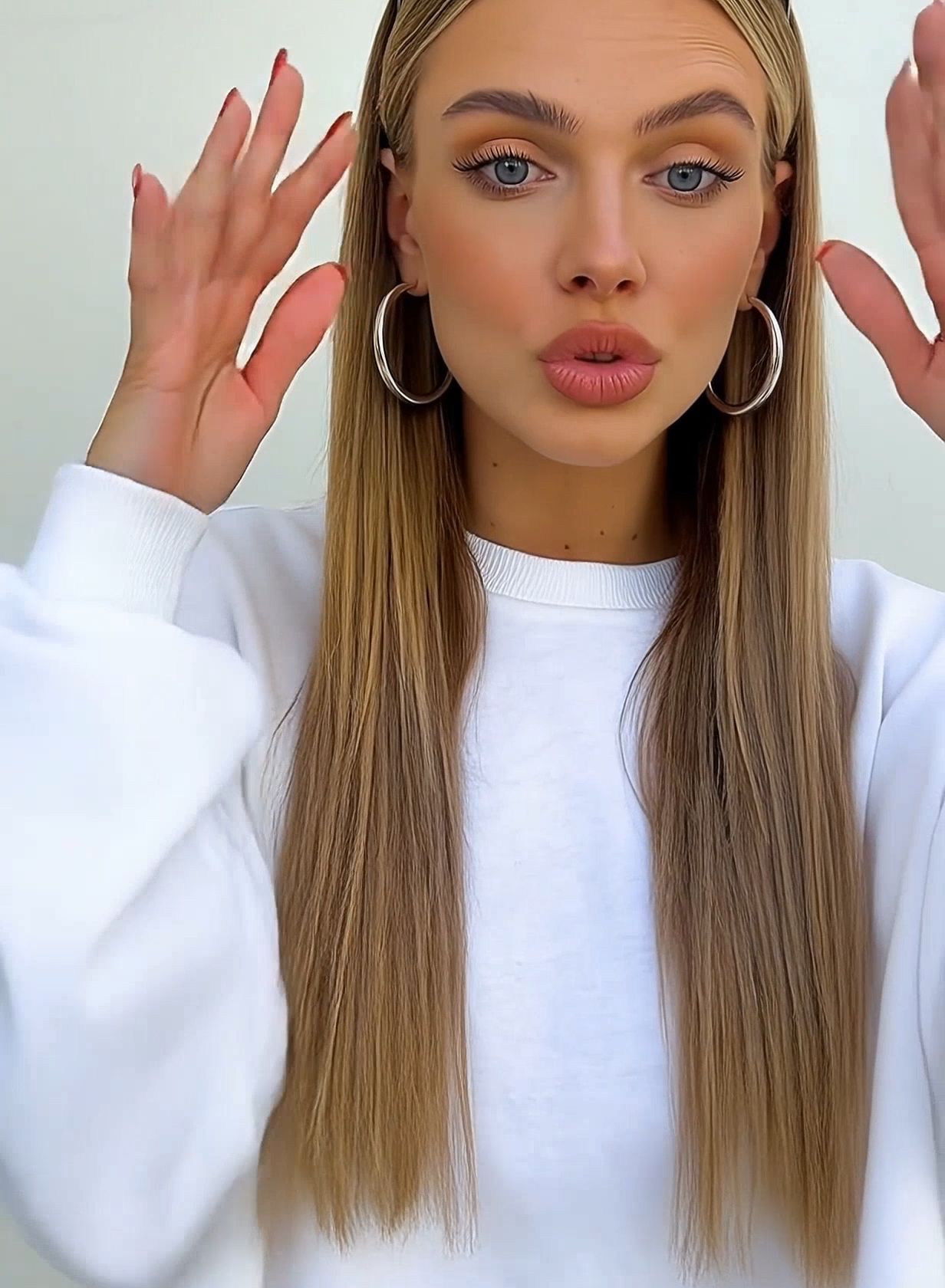  | 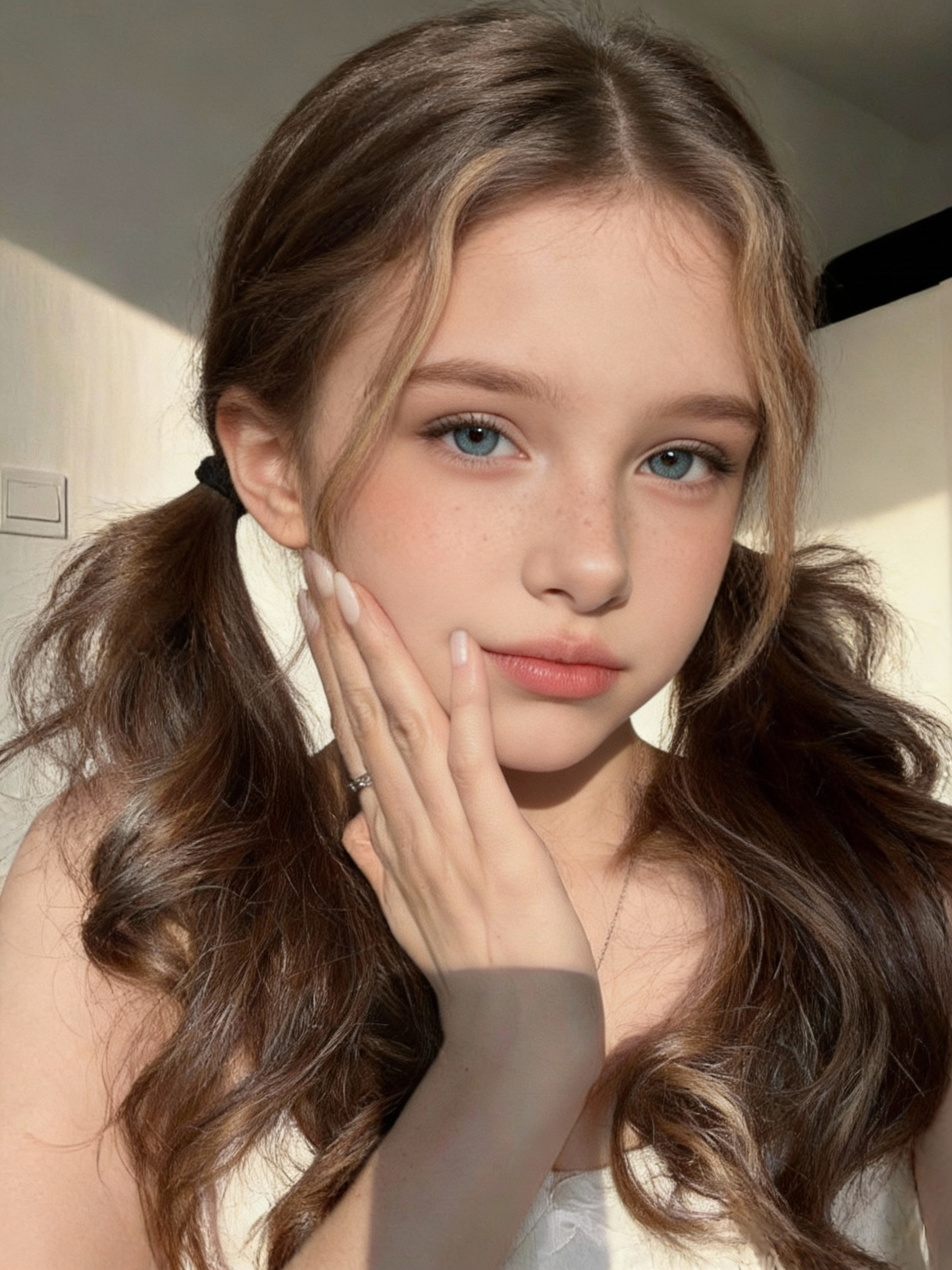 | A girl wearing a white tank top and a denim skirt. | 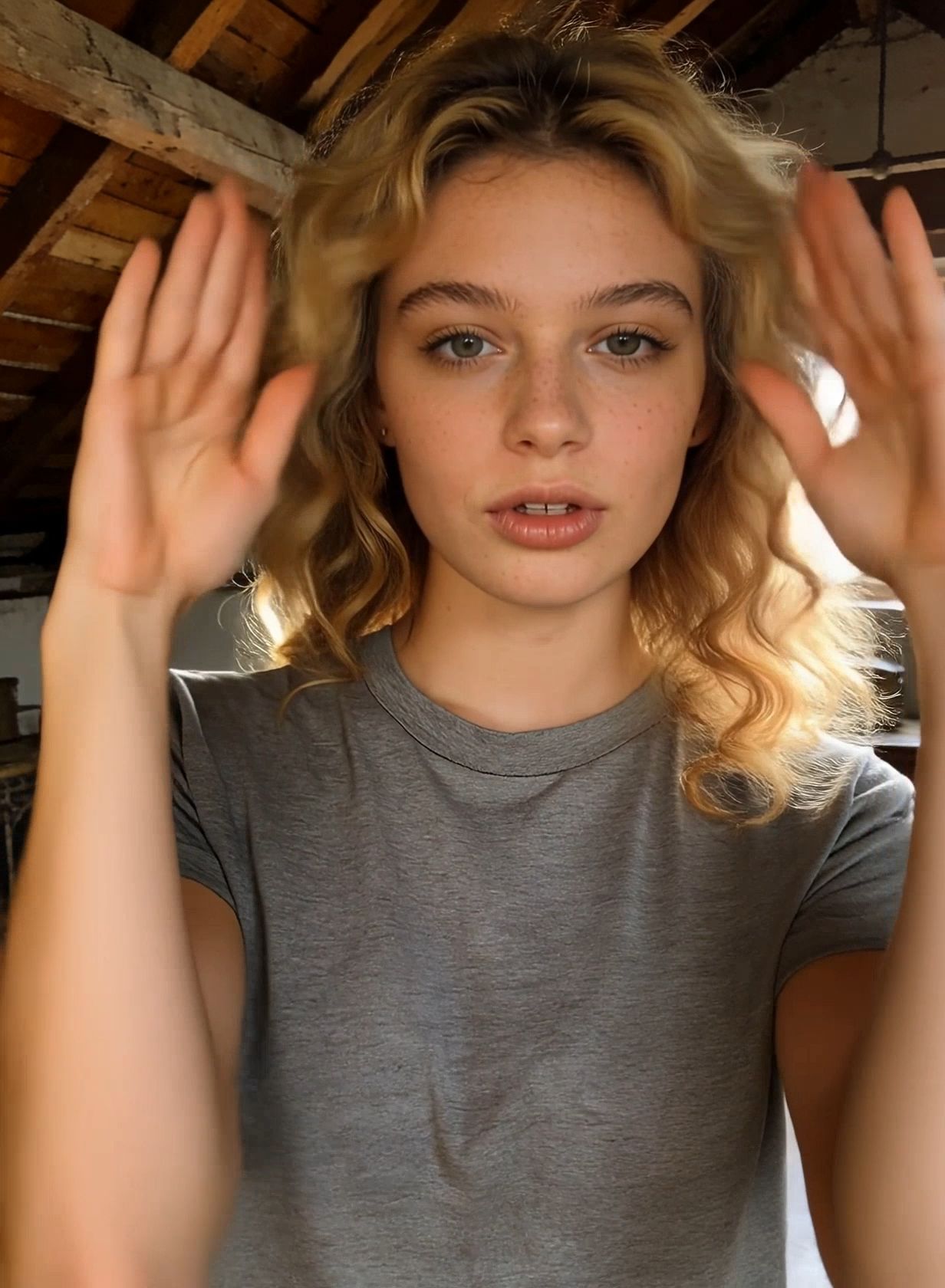 |
Common Problems With Virtual Influencers
The Feed Is Mostly Portraits
A gallery of polished faces may look impressive at first, but it gives followers little reason to stay.
The character needs to do something: explain, demonstrate, recommend, entertain, or respond. The appearance supports the content; it should not be the entire content strategy.
The Character Changes From Post to Post
Visual drift often appears when too many things change at once.
A new hairstyle, outfit, pose, location, and camera style may be reasonable individually. Introducing all of them in the same post makes it difficult to tell which change caused the character to look different.
Keep most of the scene familiar while testing one major variation.
The Captions Sound Like Different People
This usually happens when several writers work on the account without a shared voice guide.
Compare new captions with previously approved posts. Check the vocabulary, sentence length, humor, knowledge level, and attitude toward the audience.
The goal is not to make every caption identical. It is to make them sound as though they come from the same point of view.
The Character Claims Experiences It Never Had
A fictional persona can have a backstory, but personal experience becomes sensitive when it affects trust.
Be careful with statements about using a product, recovering from a health condition, visiting a real location, holding a professional qualification, or independently reviewing a service.
A virtual character should not be presented as a real customer or expert when that impression could mislead the audience.
The Team Scales Too Early
Producing more content does not solve an unclear character.
Test the account with a small set first: a profile image, several posts, a few captions and replies, and one short video. Put them together and check whether they feel like parts of the same channel.
It is easier to correct five inconsistent posts than fifty.
Virtual Influencers and Brand Partnerships
A brand partnership should make sense for the character, not only for the audience size.
A virtual chef promoting cookware is easy to understand. The same character promoting an unrelated financial product may feel forced unless there is a clear reason for the connection.
Commercial content also needs the same level of review as content featuring a real creator. Product details should be accurate, advertising claims should be supported, and sponsorships should be disclosed according to the rules that apply to the market and platform.
The team should also consider how clearly the virtual identity is presented. Audiences should not be intentionally led to believe that the character is a real customer, employee, expert, or celebrity.
Disclosure is easier to manage when it is included in the production workflow rather than added just before publication.
FAQs
What Is a Virtual Influencer?
A virtual influencer is a digitally created character that publishes content and interacts with an online audience.
The character may look human, animated, illustrated, or mascot-like. A real person or team usually manages the content, visuals, partnerships, and audience responses.
Are Virtual Influencers Created With AI?
Many virtual influencers use generative AI to create images, videos, voices, or written content, but not all of them do.
Some are built with traditional illustration, 3D design, computer-generated imagery, or animation. Even when AI is used, people are generally still responsible for the strategy, creative direction, and final approval.
How Do You Build a Synthetic Character?
Create a synthetic persona by defining the character before producing images. Write the persona’s voice, interests, visual rules, audience promise, content pillars, boundaries, and disclosure approach. Then build profile images, recurring formats, captions, and a review workflow. synthetic persona projects need consistency more than one impressive portrait. Build the voice and content purpose before designing a large image library.
What Should the Character Post?
A synthetic persona should post content that matches the character’s role and audience. A fictional chef can teach pantry meals, a plant-care mentor can answer apartment gardening questions, and a fashion stylist can build outfits. Random polished images are weaker than repeated formats people learn to expect. Recurring formats give followers a reason to return beyond the character’s appearance.
When Does Synthetic Media Need Disclosure?
Disclosure is important whenever the audience could believe the persona is a real person, especially in sponsored content or product claims. Clear labeling helps preserve trust. The character can still be entertaining or aspirational, but audiences should understand what is fictional and who is responsible for the account. The label should appear wherever fiction or sponsorship could affect trust.
How Do You Keep a Persona Visually Consistent?
Keep the character consistent with a written identity system. Document face, hair, wardrobe, palette, camera style, favorite settings, speaking style, values, and topics to avoid. Use approved references and review each post against that system. Consistency helps followers recognize the persona across images, videos, and captions. A reference sheet turns subjective recognition into a repeatable production check.