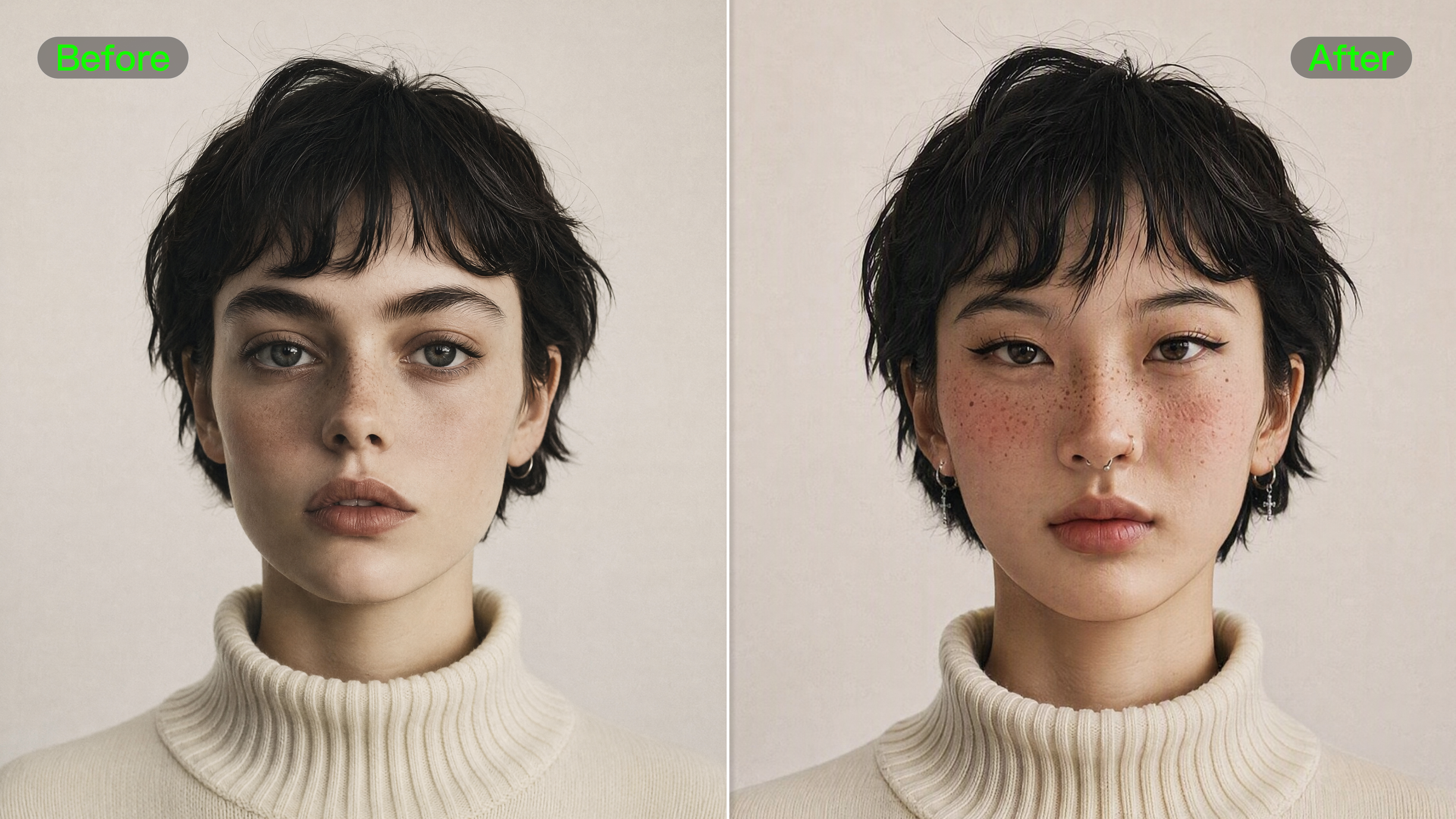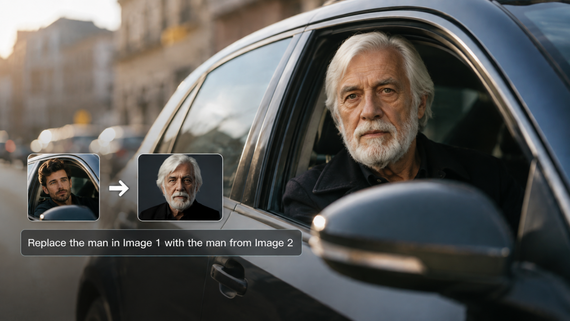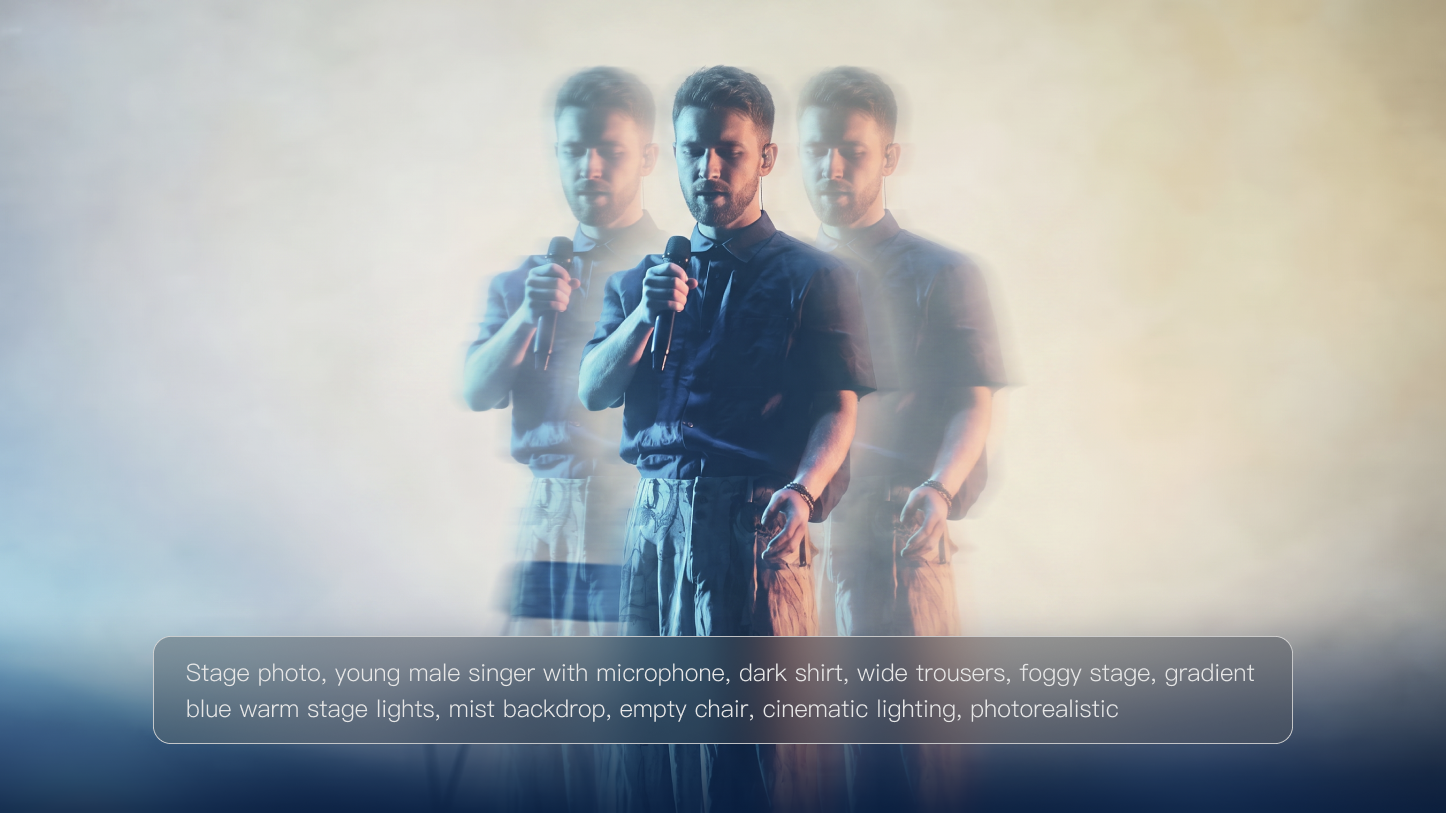
An AI influencer raises questions about identity, trust, and storytelling online. A synthetic personality can attract attention, but attention alone is not a brand. The character needs a clear voice, consistent visuals, useful content, and honest expectations with the audience.
What Is an AI Influencer?
An AI influencer is a digital persona whose appearance, voice, content, or behavior is created or assisted by artificial intelligence. It may be a fully fictional character, a brand-owned virtual personality, or an authorized digital version of a real person.
- Like a human influencer, an AI influencer may:
- Publish social media posts and videos
- Build a following around specific topics
- Explain products or ideas
- Participate in brand campaigns
- Tell serialized stories
- Respond to audience comments
- Represent a fictional world or brand identity
- Appear across different languages and markets
The character is digital, but the operation is usually human-led. People still decide what the character stands for, what it publishes, how it handles commercial partnerships, and how it responds to sensitive audience interactions.
An AI-generated face alone is not an influencer. A character becomes an influencer when it has a recognizable identity, a consistent publishing strategy, and an ongoing relationship with an audience.
AI Influencer vs. Virtual Influencer vs. AI Avatar
Several related terms are often used interchangeably, but they do not always describe the same thing.
- AI Influencer
An AI influencer uses artificial intelligence in some part of its identity, appearance, voice, or content production. The character may be fully fictional or based on an authorized real person.
- Virtual Influencer
A virtual influencer is a digital personality that behaves like a social media creator. It may be created with AI, 3D animation, illustration, motion capture, or a combination of production methods. AI influencer is therefore often a type of virtual influencer, but not every virtual influencer is necessarily created with generative AI.
- AI Avatar
An AI avatar is a digital representation of a person or character. It may appear in a video, presentation, customer service experience, or training module. An avatar does not automatically become an influencer because it may not have an independent personality, content strategy, or audience.
Image | Prompt | Output |
|---|---|---|
 | The singer sings earnestly, enjoying the stage with a smile, and her body movements sway naturally in coordination with the performance. |   |
How Do AI Influencers Work?
AI influencers combine character design, content planning, media production, account management, and audience engagement.
The workflow usually includes the following stages:
1. A team defines the character. The team decides the persona’s purpose, audience, personality, values, appearance, voice, and boundaries.
2. Visual and voice references are created. Reference images, character sheets, clothing rules, environments, and voice guidance help maintain a recognizable identity.
3. Content pillars are planned. The team decides what the character will regularly teach, discuss, demonstrate, or entertain people with.
4. Images, videos, and captions are produced. AI tools may help generate visual assets, animate the character, create variations, or support multilingual production.
5. Human reviewers approve the content. The team checks visual accuracy, brand fit, claims, disclosures, and platform requirements.
6. The account publishes and interacts. Posts, captions, replies, partnerships, and community activity follow the approved character rules.
7. Performance is measured. The team reviews reach, engagement quality, audience response, clicks, sentiment, and commercial outcomes.
The process is not fully automatic. Even when AI supports production, people remain responsible for strategy, approvals, audience safety, and commercial claims.
Once the persona’s visual identity and content rules are approved, Kling AI can support the production stage. Teams can use reference images to guide recurring character features, image-to-video to animate approved visuals, and Element Reference to help maintain important characters or objects across short scenes. These tools can make it easier to create and test content variations, but every output should still be reviewed against the character guide, campaign brief, disclosure requirements, and brand-safety standards.
Why Do Brands Use AI Influencers?
Brands may use AI influencers when a fictional or virtual character supports the campaign idea better than a conventional advertisement.
- Visual Control
A brand can define the character’s appearance, clothing, environments, color palette, and visual tone in advance. This may make it easier to create a recognizable content system.
Visual control does not guarantee perfect consistency. Generated faces, clothing, products, and environments may still change between outputs and require review.
- Flexible Production
A virtual character does not depend on a traditional creator photo shoot schedule. Teams can produce visual variations, fictional environments, and localized content more flexibly.
However, the account still requires creative planning, production, approvals, community management, and brand safety review.
- Fictional Storytelling
AI influencers can represent worlds or ideas that would be difficult to create through ordinary lifestyle content. A brand might use a fictional host, animated educator, digital fashion character, or entertainment personality.
- Localization
A virtual character can appear in different languages, formats, and campaign versions. This may help teams adapt content for multiple markets while maintaining a shared visual identity.
Localization should include cultural review rather than translation alone. Humor, gestures, clothing, topics, and commercial language may not work equally well in every market.
- Brand-Owned Character Value
A company may develop a virtual character as a long-term brand asset. Unlike a one-time campaign visual, the persona can support recurring stories, product launches, educational content, and community formats.
The value depends on whether the audience has a reason to follow the character after the initial novelty fades.
Common AI Influencer Use Cases
AI influencers are most useful when the character has a clear role beyond appearing in polished images.
Use Case | Example | What to Review |
Brand storytelling | A recurring virtual host or fictional brand character | Whether the role fits the brand and is clearly presented as fictional |
Education | A consistent character explaining concepts | Factual accuracy, expertise boundaries, sources, and audience suitability |
Fashion | Outfit concepts, styling content, and virtual lookbooks | Garment accuracy, body representation, brand rights, and visual consistency |
Entertainment | Fictional scenes, serialized stories, and community formats | Character continuity, narrative rules, and audience expectations |
Campaigns | Product introductions, social series, and localized assets | Sponsorship disclosure, product accuracy, claims, and platform requirements |
Gaming | A fictional character discussing game worlds or community topics | Ownership rights, age suitability, lore consistency, and audience moderation |
Internal communication | A recurring virtual presenter for training or company updates | Accuracy, tone, accessibility, and employee expectations |
Start by defining why the persona should exist and what value it will provide to a specific audience. That decision should guide the character identity, content pillars, visual system, disclosure rules, and performance metrics.
Without a clear purpose, the account can quickly become a collection of polished images without a reason to follow it.
| Image | Prompt | Output |
 | Patient and gentle explanations, occasionally glancing at the item in the hand, maintaining a smile, with natural movement. |  |
How to Measure AI Influencer Performance
The value of an AI influencer should be measured against business and audience goals rather than novelty alone.
Awareness Metrics
- These may include:
- Reach
- Impressions
- Video completion rate
- Profile visits
- Follower growth
- Branded search activity
- Campaign recall
Engagement Quality
Useful engagement metrics include:
- Saves
- Shares
- Relevant comments
- Repeat viewers
- Returning followers
- Direct questions
- Audience participation in recurring formats
A high number of comments may not be positive if many users are confused, critical, or focused only on whether the character is real.
Commercial Metrics
Depending on the campaign, teams may review:
- Qualified clicks
- Conversion rate
- Assisted conversion
- Lead quality
- Revenue contribution
- Cost per acquisition
- Affiliate performance
- Incremental campaign lift
Trust and Risk Metrics
Teams should also monitor:
- Negative sentiment
- Confusion about the character’s identity
- Disclosure complaints
- Claim corrections
- Product accuracy issues
- Brand safety incidents
- Comment escalation volume
- Audience retention after the novelty period
The most useful metrics are those connected to the character’s purpose.
Risks and Limitations of AI Influencers
AI influencers create new creative opportunities, but they also introduce operational and reputational risks.
Visual Inconsistency
The character’s face, body, clothing, or environment may change between images and videos. These changes can weaken recognition and trust.
Generic Content
A polished virtual face does not compensate for repetitive or low-value content. If the account only posts attractive portraits, people may lose interest quickly.
Audience Confusion
Some users may misunderstand whether the character is real, fictional, automated, or controlled by a brand. Profiles, captions, labels, and responses should reduce unnecessary confusion.
False Testimonials
A synthetic character cannot honestly describe a personal real-world experience that never occurred. Product claims and endorsements require careful review.
Likeness and Identity Risks
A generated character may resemble a real person, public figure, employee, creator, or private individual. Teams should review the character design and confirm that any real-person likeness is appropriately authorized.
Intellectual Property Risks
Clothing, logos, characters, products, artwork, music, and source references may involve third-party rights. AI generation does not automatically remove these concerns.
Community and Automation Risks
Automated replies may produce inappropriate promises, inaccurate information, or responses outside the character’s approved boundaries.
Operational Workload
AI influencers may reduce some production constraints, but they do not eliminate work. A serious account still requires:
- Strategy
- Writing
- Visual production
- Editing
- Approvals
- Community management
- Partnership management
- Performance analysis
- Risk review
Dependence on Platform Rules
Platform requirements for synthetic media, advertising, labeling, impersonation, and manipulated content may change. Teams should review current platform policies before publishing campaigns.
FAQs
Are AI Influencers Real People?
A fully virtual AI influencer is not a real person, although real people or companies operate the account. Some digital influencers may be based on a real person’s authorized appearance or voice, so the relationship between the character and operator varies.
What Is the Difference Between an AI Influencer and a Virtual Influencer?
A virtual influencer is any digital character that publishes content and develops an audience like a social media creator. An AI influencer is usually a virtual influencer whose appearance, voice, content, or production process uses artificial intelligence. Not every virtual influencer is created with generative AI.
Why Do Brands Use AI Influencers?
Brands may use AI influencers for visual control, fictional storytelling, flexible production, localization, and recurring character-based campaigns. The character does not depend on a traditional creator shoot schedule, but the account still requires human creative direction, approvals, campaign management, and community moderation.
What Are the Risks of AI Influencers?
The main risks include misleading audiences, inconsistent visuals, misuse of real likenesses, unsupported claims, false product experiences, unclear sponsorships, intellectual property concerns, and inappropriate automated replies. A strong operation needs identity rules, content boundaries, approval steps, disclosure guidance, and human escalation processes.
Can AI Influencers Build Loyal Audiences?
AI influencers can build loyal audiences when the character has a clear voice, consistent visuals, and content people actually want. Followers may enjoy a fictional persona if it teaches, entertains, or represents a world they care about. Loyalty will fade quickly if the account is only polished imagery. That keeps the result useful instead of merely polished.
Do AI Influencers Have to Disclose That They Are AI?
Requirements vary by platform, market, and content. Brands should distinguish between explaining that a character is synthetic and disclosing a paid or material commercial relationship. A campaign may require both kinds of information, along with platform-specific labels.
Can an AI Influencer Endorse a Product?
An AI influencer can appear in product campaigns, but it should not falsely claim personal real-world use or results that never occurred. Product information, sponsorship language, claims, and disclosures should be reviewed by the team operating the account.
Who Controls an AI Influencer?
AI influencers are usually controlled by a brand, studio, agency, creator team, or individual operator. Real people plan the identity, produce content, approve partnerships, manage comments, monitor performance, and handle risk.
How Do You Keep an AI Influencer Consistent?
Create a character bible, define stable visual features, use approved references, establish voice and content rules, and review every image, video, caption, and reply before publication. Consistency comes from the full operating system, not from image generation alone.