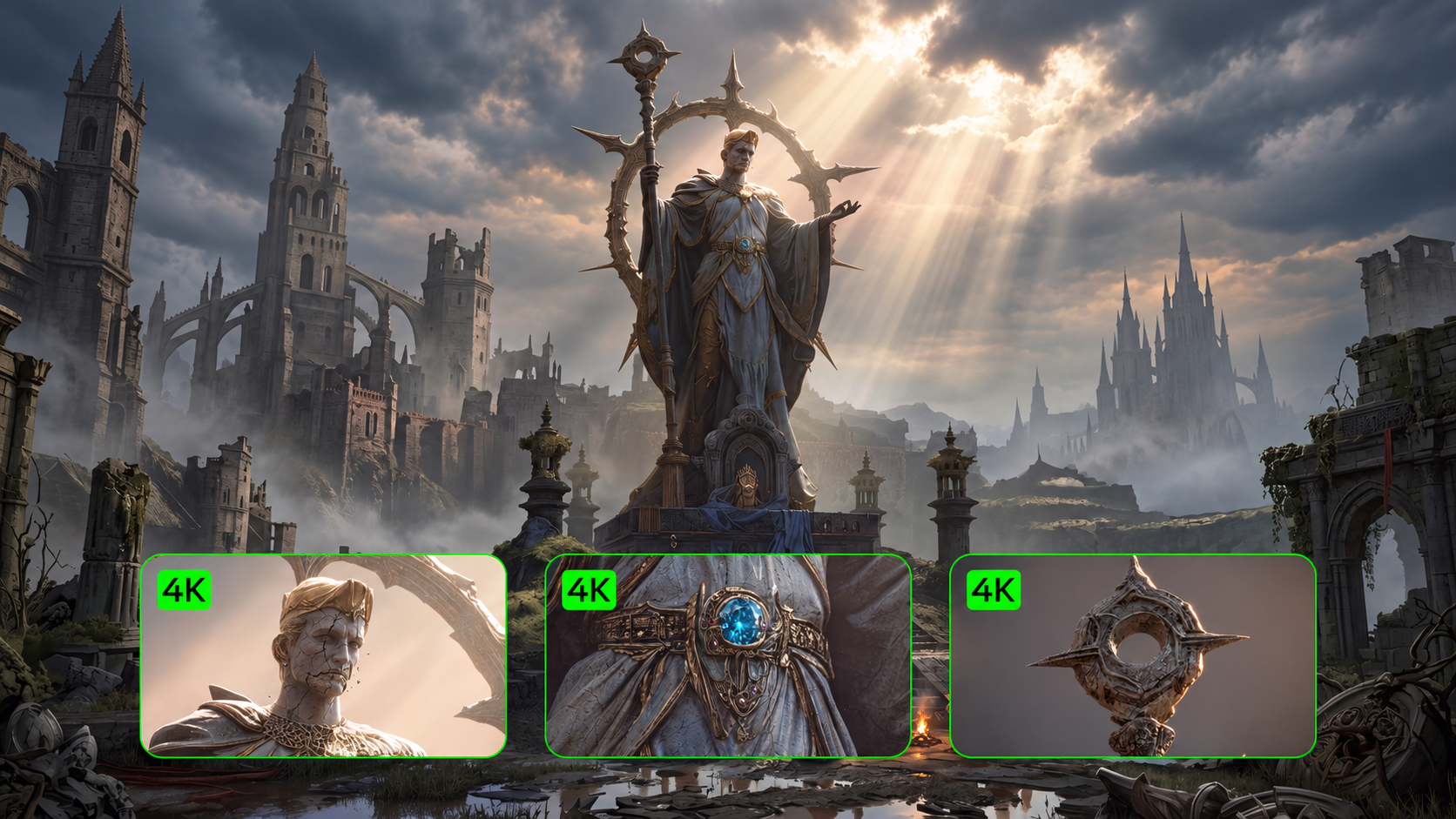
A good prompt is less like a magic spell and more like a clear work order. It gives the AI enough context to help, enough limits to stay focused, and enough format direction to return something usable. Clear AI prompt writing save time because they reduce guessing.
How to Write AI Prompts?
A prompt should begin with the task the user actually needs done. Without that task, the AI has to guess the audience, format, depth, tone, constraints, and success standard.
Give the AI Real Context
The user needs a result that can be applied, reviewed, and improved. That means prompts should provide context, source facts, format instructions, and boundaries where accuracy matters.
Control the Output Format
A tighter prompt removes unnecessary guessing. Add the details that change the answer and leave out decorative words that do not affect the final work.
A good prompt is easy to revise because each instruction has a visible job.
Build a Prompt That Can Be Revised
A prompt-writing workflow moves from task to context, examples, constraints, output format, and feedback. That sequence makes the response easier to judge.
1. Start with the task: Say exactly what output you need, such as a checklist, outline, rewrite, table, script, or prompt.
2. Add the audience: Tell the model who will read, watch, buy, learn, or use the result.
3. Give context: Include the topic, goal, source facts, constraints, tone, and any details the model should not invent.
4. Specify the format: Ask for bullets, a table, a title list, a script, a JSON object, or a step-by-step answer.
5. Include examples: Show one good sample when style, structure, or level of detail matters.
6. Iterate with feedback: Ask for shorter, clearer, more specific, more practical, or more evidence-based versions.
If the answer misses the mark, revise the instruction instead of starting over. Tell the AI what was too broad, too long, too vague, or missing.
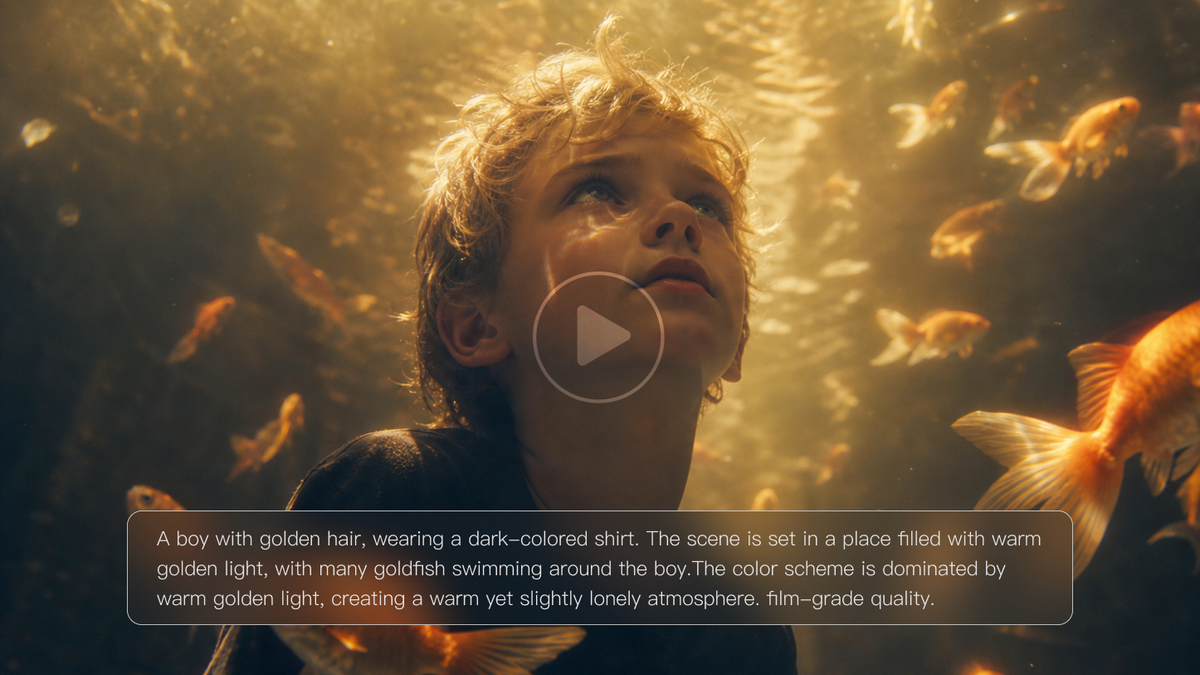
For visual work, Kling AI exposes weak prompting quickly because vague words turn into visible guesses. A better prompt names the subject, setting, action, camera, light, style, and stability rule. Treat the first output as feedback, then revise the instruction with one clear change.
Test the Answer Before Using It
Check the output against the original task. A response can sound polished and still fail if it ignores the audience, skips a constraint, or invents information.
Check | Question | Action |
Audience | Who needs this? | Use the language, examples, and pace that match students, creators, marketers, and everyday users who want more accurate results from AI. |
Format | Where will it publish? | Match the prompts to search, social, email, sales, or education. |
Proof | Why should viewers trust it? | Use examples, visible process, clear reasoning, or concrete outcomes. |
Review | What could go wrong? | Check accuracy, visual artifacts, claims, pacing, copyright, and brand fit. |
Reuse | How can it scale? | Turn the same core idea into shorter clips, captions, summaries, and FAQs. |
Prompt Fix Examples
● Weak: Write about budgeting. Strong: Create a 7-step beginner budgeting checklist for U.S. college students with no credit history.
● Weak: Make a video prompt. Strong: Write a 6-second product video prompt for a blue water bottle rotating on a white table, locked camera, soft studio light.
● Weak: Improve this. Strong: Rewrite this email for a busy customer, keep it under 120 words, and make the next action obvious.
● Weak: Give ideas. Strong: List 25 YouTube topics for beginner home cooks who need meals under 20 minutes.
Prompt writing gets easier when users treat it as clear delegation. Name the job, provide the material, set limits, ask for the shape, and then revise with specific feedback.
Give the AI the Missing Context
Most weak prompts fail because they hide the real assignment. If you want a checklist, say who will use it. If you want a rewrite, say what tone and length you need. If you want ideas, say the audience, constraint, and output format. The model cannot protect details it never receives.
Context That Changes the Result
● Audience skill level.
● Desired format.
● Source facts that must stay accurate.
● Tone or brand voice.
● Things to avoid.
Prompt | Output |
|---|---|
| A smooth and deliberate dolly-in tracking shot approaching a classical marble statue of a graceful female figure standing on an elegant stone terrace. The camera starts from a medium-wide distance and slowly moves forward toward the statue with cinematic precision. As the dolly-in progresses, the camera simultaneously performs a subtle pan right and a gentle tilt upward, gradually revealing the statue’s intricate details, flowing drapery, serene facial expression, and elegant posture from a lower angle to a more heroic low-angle view. The movement is fluid, professional-grade, steady, and perfectly controlled, showcasing masterful camera work. Highly cinematic, realistic lighting with soft natural daylight, subtle god rays, and gentle atmospheric haze. Photorealistic, 8K detail, masterpiece cinematography |   |
Ask for Revisions Like an Editor
The first answer is often a draft, not the final result. Ask the AI to make it shorter, more specific, more practical, less formal, more evidence-based, or easier for a beginner. Good prompting is a conversation with standards. Keep the useful parts, reject the vague parts, and ask for a version that better fits the real task.
Diagnose Bad Outputs
When an AI answer is weak, the prompt usually failed in one of four places. The task was unclear, the context was missing, the output format was vague, or the quality standard was not stated. Fix the exact problem instead of rewriting everything.
If the answer is too broad, add the audience and use case. If it is too long, set a word limit and structure. If it invents facts, provide source material and tell it not to add unsupported claims. If the tone is wrong, give a sample sentence.
Good prompting is practical troubleshooting. Each revision should tell the model what to keep, what to remove, and what success looks like.
Keep a Prompt Notebook
Good AI prompt writers save what works. Keep a small notebook with the task, prompt, result, and revision. Over time, patterns become clear. You may learn that examples improve tone, constraints improve accuracy, and output formats reduce cleanup.
This habit also prevents overcomplicating every prompt. Many tasks only need a clear role, context, constraints, and format. The notebook shows which details actually changed the output and which words only made the prompt longer.
Reuse the Same Structure
Once a prompt works, reuse the structure for similar tasks. Change the audience, topic, examples, and format, but keep the order that produced a useful result. This turns prompting into a repeatable skill instead of a fresh guess every time.
Add Context in Layers
Prompt writing improves when context is added in layers. Start with the task, then add the audience, then the source material, then the constraints, then the output format. This makes it easier to see which detail changed the answer.
For example, asking for an email rewrite is broad. Asking for a 120-word renewal email for busy software customers with one clear next step gives the AI a usable job and gives the user a clear review standard.
Run one prompt through Kling AI, then revise the wording based on what the output misunderstood.
FAQs
How to Write AI Prompts?
An AI prompt works when it gives the model a clear task, enough context, useful constraints, and a specific output format. The best prompts reduce guessing. They tell the system what to make, who it is for, what to include, what to avoid, and how the answer should be structured.
How Specific Should a Prompt Be?
A prompt should be specific about the decisions that affect usefulness. Name the audience, purpose, source facts, tone, length, format, and examples when those details matter. Do not add random adjectives just to sound detailed. Useful specificity makes the output easier to judge, revise, and apply. That gives beginners a clearer next step for AI prompt writing.
Should I Give AI Examples?
Examples help when style, structure, level of detail, or output quality matters. Show one strong sample, one weak sample, or the exact format you want. The example acts like a target. Without it, the AI may answer correctly but in a structure that does not fit the job. That prevents AI prompt writing from turning into vague advice.
Why Do AI Prompts Need Iteration?
Iteration is normal because the first response reveals what the model misunderstood. Ask for a shorter version, more examples, a different tone, a tighter table, or a clearer conclusion. Good prompting is often a conversation. Each revision should give concrete feedback instead of repeating the same request. That makes the recommendation easier to test in practice.
What Is the Most Common Prompting Mistake?
The most common mistake is asking for a broad result without context. Prompts like write this, improve this, or give ideas force the model to guess. Add the goal, audience, material, constraints, and output shape. A few precise details usually improve the answer more than a longer vague request. That keeps the result useful instead of merely polished.