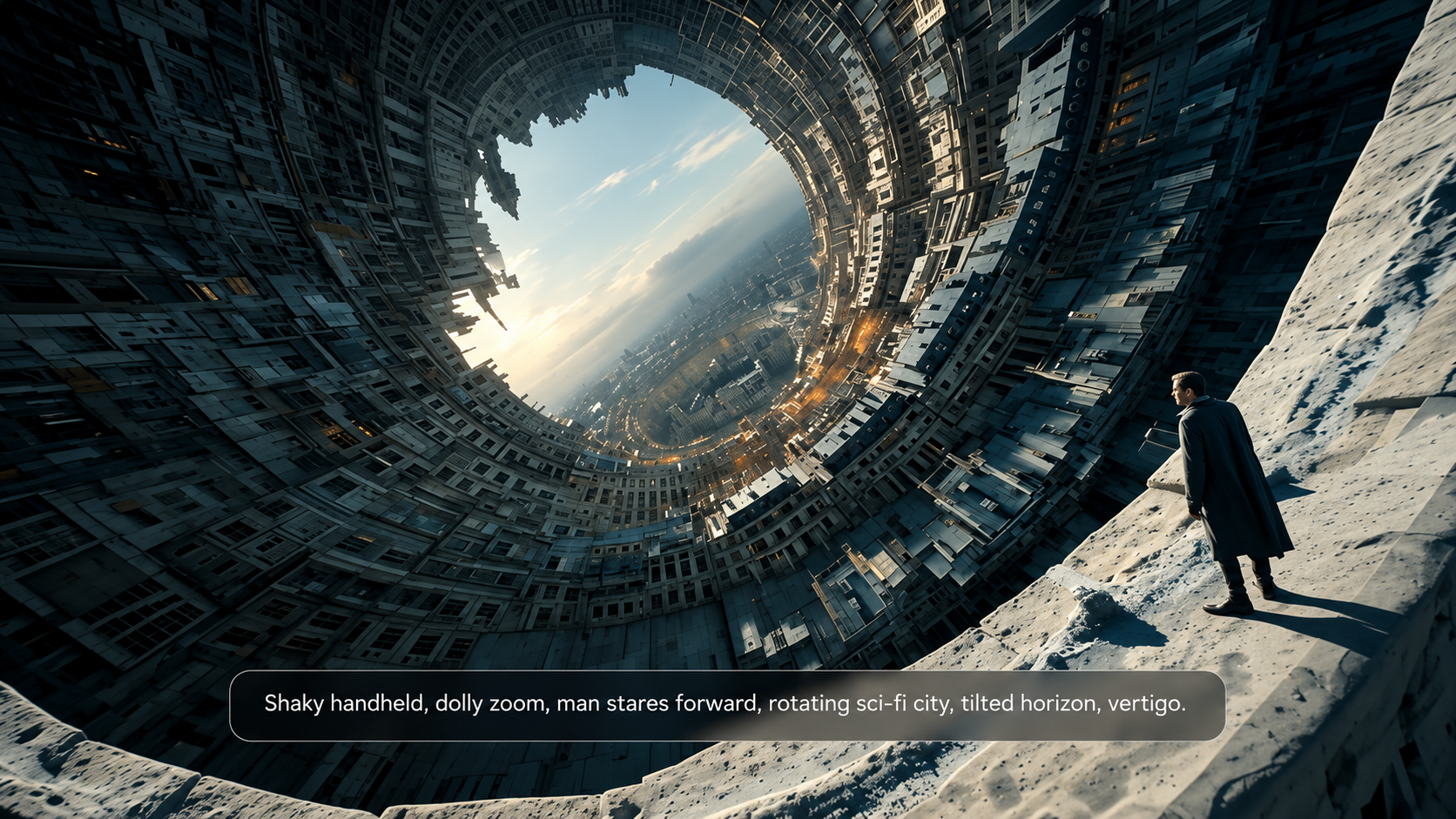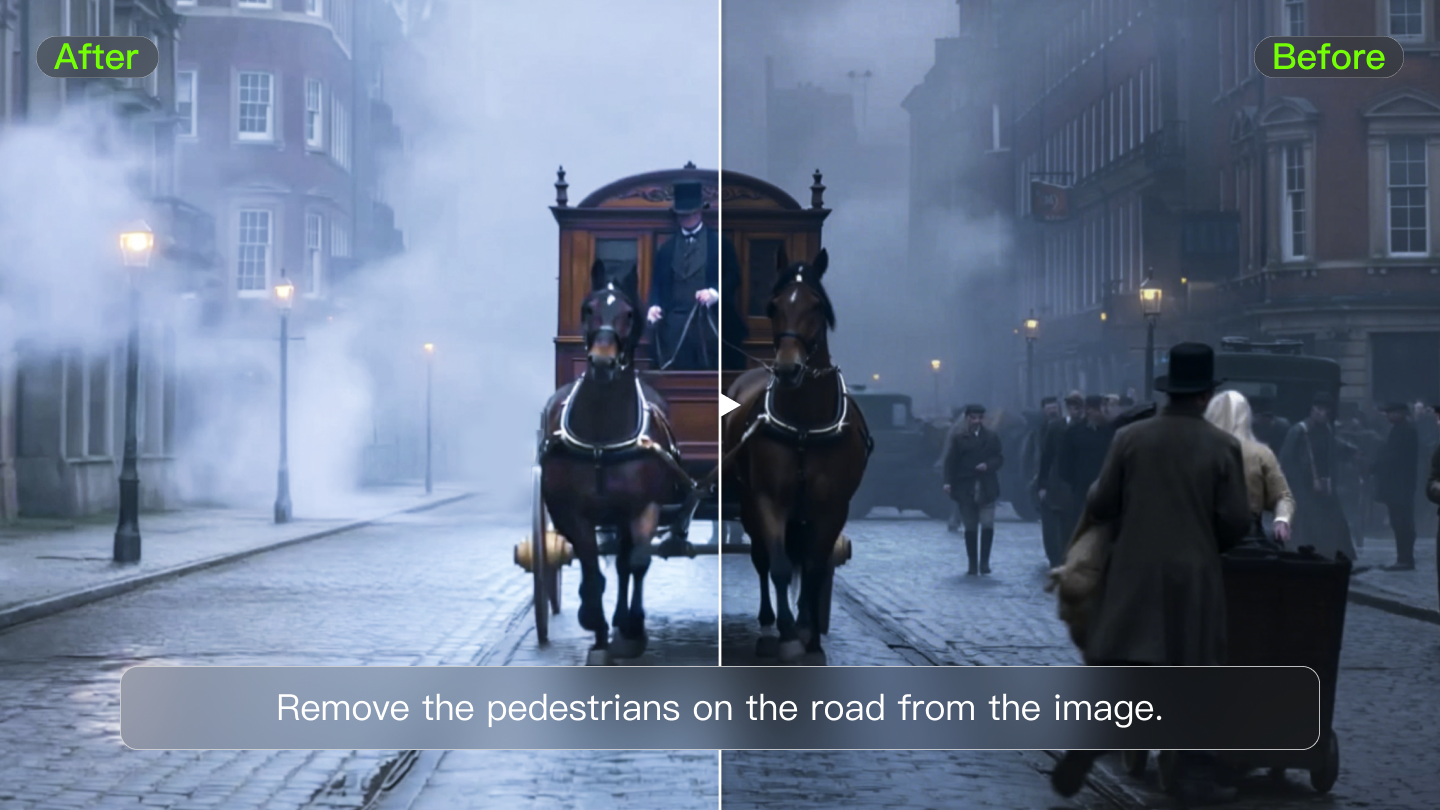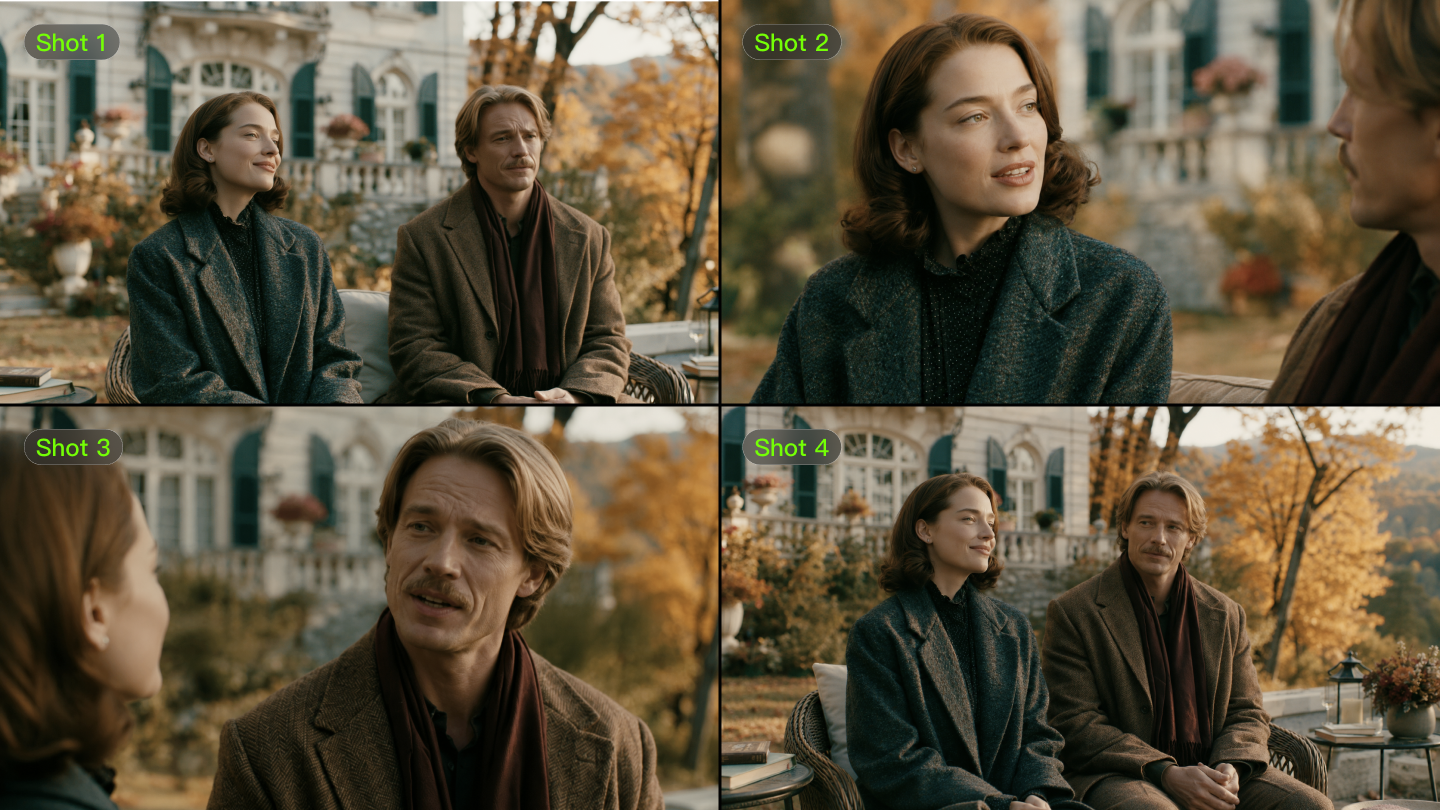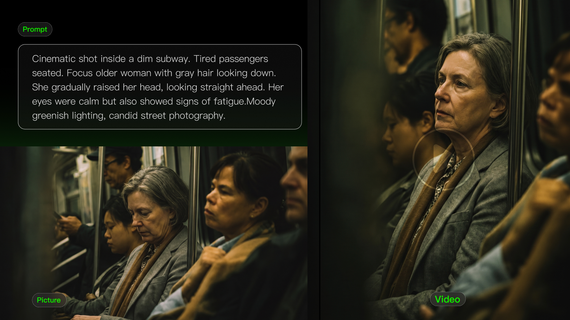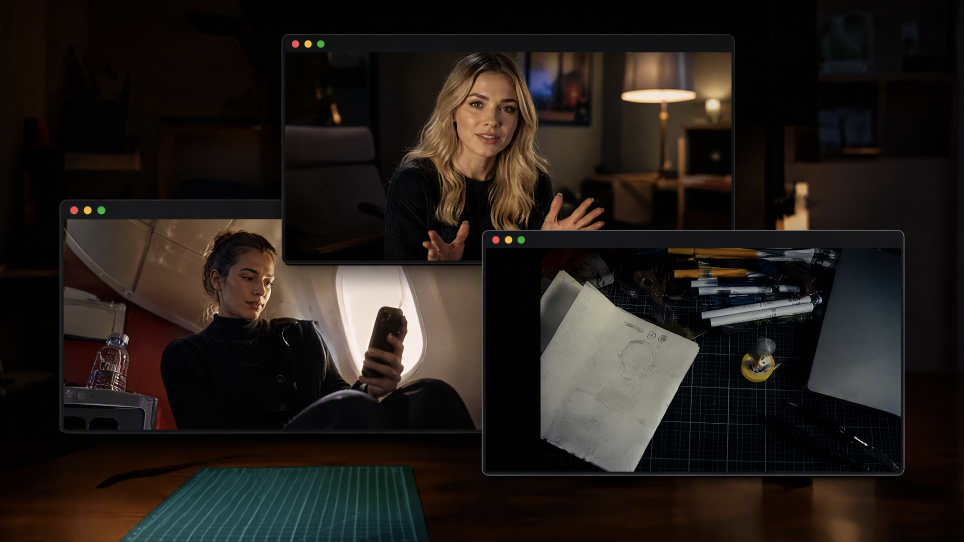
The best channel niche in 2026 is narrow, repeatable, and useful to a defined audience. Strong YouTube channel ideas combine a problem you understand, viewers who actively want help or entertainment, and enough depth for at least 30 original videos.
What Makes a YouTube Niche Work in 2026?
Pick a niche you can serve every week, not the category with the loudest income claim. YouTube says its recommendation system follows what viewers choose, watch, and enjoy; it does not favor a particular channel category. A focused promise therefore matters more than chasing an “algorithm-friendly” topic. YouTube’s own guidance also stresses long-term viewer satisfaction.
Use three tests before committing:
Audience: Name one viewer and one recurring need. “Meal prep for night-shift nurses” is stronger than “cooking.”
Depth: Write 30 useful titles without repeating yourself. If you cannot, narrow or change the angle.
Business fit: Identify two realistic revenue paths, such as ads plus affiliates, sponsors plus services, or memberships plus products. Treat income as potential, never a guarantee.
Validate the final concept with YouTube autocomplete, comments on current videos, and Google Trends. Then publish three pilot videos and compare click-through rate, retention, comments, and returning viewers in YouTube Analytics.
56 Specific YouTube Channel Ideas for 2026
The ideas below are specific enough to define a target viewer, yet broad enough to support an ongoing channel. Use the eight categories to find a promising field, then judge each concept by your expertise, production limits, audience demand, and ability to create distinct videos consistently.
AI, Software, and Technology
Technology channels work when they solve a defined problem instead of reporting every product launch. Choose a user group, demonstrate the result on screen, and update important tutorials when software or security practices change.
AI workflows for one profession: Choose one occupation, such as teaching, recruiting, real estate, or retail, and solve its repetitive tasks. Episodes might build a lesson plan, screen applicants, summarize property notes, or answer store questions. Show the original task, exact workflow, result, time saved, limitations, and a safer manual fallback.
No-code small-business systems: Help owners build useful systems without hiring a development team. Record complete setups for booking, invoicing, inventory, lead capture, review requests, and customer follow-up. Organize videos by business type, compare free and paid options, and provide templates viewers can adapt rather than promising effortless automation.
Cybersecurity for families: Translate security advice into simple household actions. Cover password managers, multifactor authentication, scam messages, child accounts, router settings, lost phones, backups, and identity-theft response. Use realistic demonstrations without exposing private data, and update older videos when operating systems, threats, or official recommendations materially change.
Budget technology tests: Review affordable devices for a precise use case, such as laptops for college, microphones for tutoring, or cameras for small shops. Test battery life, setup, durability, sound, and daily usability under repeatable conditions. Explain who should buy, who should skip, and which cheaper alternative performs nearly as well.
Smart-home troubleshooting: Make each video resolve one installation, connection, automation, or compatibility problem. Build playlists for lighting, thermostats, cameras, speakers, and home networks. Show the error, diagnosis, fix, and confirmation test, then include privacy and electrical-safety notes so viewers know when a licensed professional is the better choice.
Software in ten minutes: Teach one practical outcome per video instead of touring every menu. Examples include cleaning a spreadsheet, creating a reusable design, assigning a project, or producing a report. Start with the finished result, show only necessary clicks, provide downloadable practice files, and label the software version and operating system.
Digital privacy explainers: Help ordinary users understand browsers, app permissions, trackers, location history, encrypted backups, and account recovery. Compare settings through realistic scenarios rather than fear-based claims. A strong series can include monthly privacy checkups, family device audits, service comparisons, and short explanations of major policy or platform changes.
Money, Business, and Careers
Money and career topics can support valuable products and sponsorships, but trust is the entry requirement. Narrow the audience, show assumptions and sources, disclose financial relationships, and never present uncertain outcomes as guaranteed income.
Personal finance for freelancers: Focus on the financial problems created by irregular pay. Build series on income smoothing, separate accounts, estimated taxes, emergency funds, insurance, retirement, and late invoices. Use sample numbers and multiple scenarios, clearly distinguish education from personal financial advice, and invite qualified experts when laws or tax rules matter.
Money for young couples: Teach partners how to discuss money before recommending a particular system. Videos can compare joint and separate accounts, create shared budgets, prioritize debt, plan weddings, divide expenses, and run monthly financial meetings. Use neutral language that respects different incomes and values while keeping legal and tax details location-specific.
Local business makeovers: Audit one visible part of a real or simulated business in every episode. Improve a menu, Google Business Profile, storefront sign, landing page, appointment flow, or follow-up message. Explain the customer problem, proposed change, implementation cost, and measurable result while obtaining permission before featuring an identifiable company.
Side-business breakdowns: Examine a business model as an operator would, not as a motivational speaker. Detail startup costs, tools, permits, customer acquisition, pricing, margins, workload, seasonality, and failure risks. Follow initial explainers with 30-day experiments or owner interviews so viewers can compare projections with actual operating evidence.
Interview practice by role: Build separate playlists for nurses, software developers, retail supervisors, teachers, and public-sector applicants. Demonstrate weak and improved answers, explain what each question tests, and provide a repeatable response framework. Include role-play interviews, resume-to-answer exercises, and recruiter feedback without claiming one script guarantees an offer.
Skilled-trade career guides: Give prospective workers a realistic view of electrical, plumbing, welding, HVAC, machining, or construction careers. Cover training routes, apprenticeships, licensing, tools, physical demands, safety, starting pay sources, and advancement. Interviews with apprentices and experienced workers can show how the job changes across regions, employers, and career stages.
Remote-work systems: Test practical ways to plan deep work, communicate asynchronously, document decisions, run meetings, and protect personal time. Build episodes around specific roles and household constraints instead of perfect desk aesthetics. Compare a method before and after a two-week trial, using visible measures such as interruptions, completion time, or meeting hours.
Education and Useful Explainers
Educational channels earn repeat viewing when every episode makes a difficult subject easier to understand. Define the learner level, cite primary or expert sources, use consistent visual explanations, and correct mistakes openly.
Everyday science questions: Answer one concrete question, such as why bread rises or metal feels colder than wood. Begin with the conclusion, then demonstrate the mechanism through a safe experiment, diagram, or expert source. Separate observation from inference, list relevant conditions, and suggest a related question that naturally leads to the next episode.
History through objects: Use a coin, garment, tool, recipe, letter, or building to open a larger historical story. Explain who made and used it, what materials reveal, and how its meaning changed. Cite museums, archives, and scholarship, and distinguish confirmed evidence from interpretation, legend, or later reconstruction.
Maps that explain the world: Build visual explanations around one geographic question: why a city grew there, how a border formed, or where a rail line changed trade. Layer terrain, climate, population, and history gradually. Cite reliable datasets, state the map’s date, and avoid treating geographic patterns as a single cause.
Pronunciation for one language pair: Serve speakers of one native language learning another, because predictable sound errors differ by language pair. Demonstrate mouth position, stress, rhythm, and minimal pairs, then add listening drills and short dialogues. Organize lessons from high-impact sounds to natural speech and include regional variation without labeling one accent inherently superior.
Visual math lessons: Teach one curriculum concept with drawings, physical models, and worked examples before introducing shortcuts. Show a common wrong answer, locate the reasoning error, and solve a similar practice problem. Playlists can follow grade level or exam topic, giving students a clear learning path instead of disconnected tricks.
Big ideas from classic books: Explain one argument, theme, character decision, or historical context without substituting for the book. Quote sparingly, distinguish the author’s position from your interpretation, and compare reputable readings. End with discussion questions or a chapter reference so viewers have a clear reason to read the original work.
Legal literacy basics: Explain terms and processes people often encounter, such as contracts, small claims, leases, copyright, or court notices. Use public sources and hypothetical examples, specify the jurisdiction and publication date, and avoid personal recommendations. Licensed professionals can add credibility, while prominent disclaimers clarify the channel provides general education.
Food, Home, and Practical Living
Practical-living content succeeds when viewers can copy the result with the time, money, tools, and space they actually have. State those constraints early, show the full process, and include safety, storage, or maintenance details.
Meals under a fixed budget: Create complete meals for a stated price, serving count, store, and date. Show the receipt, ingredient substitutions, active cooking time, nutrition considerations, and cost per portion. Separate pantry staples from new purchases, then build follow-up videos for leftovers so the budget remains honest across the full week.
One appliance, many meals: Center the channel on a common appliance such as a rice cooker, air fryer, slow cooker, or countertop oven. Teach setup, cleaning, capacity limits, and reliable base techniques before advanced recipes. Comparison episodes can test energy, texture, batch size, and convenience against conventional cooking rather than repeating product promotions.
Meal prep for specific schedules: Design food systems for night-shift workers, athletes, office commuters, students, or new parents. Each plan should state calories or serving logic when relevant, refrigeration life, reheating method, preparation order, and total time. Offer flexible swaps for allergies, budgets, and cultural preferences instead of one rigid weekly menu.
Small-space organization: Solve one real layout or storage problem in apartments, dorms, vans, or shared homes. Measure the space, set a budget, explain renter-friendly limits, and test whether the result improves access and cleaning. Revisit projects after several weeks to show what stayed useful and what created new clutter.
First-time homeowner repairs: Demonstrate basic tasks such as patching drywall, stopping a running toilet, replacing weatherstripping, or cleaning gutters. List tools, materials, shutoff steps, difficulty, and likely cost before starting. Clearly identify work involving electricity, gas, structure, roofing, or permits that may require an insured professional.
Gardening by climate: Serve one growing zone, rainfall pattern, or challenging environment rather than offering universal advice. Build a month-by-month calendar for planting, soil care, watering, pests, harvesting, and weather protection. Track the same garden through a season, including failed crops, so recommendations come from visible conditions and results.
Thrifted furniture restoration: Take viewers from purchase inspection to safe use in a finished room. Show pest checks, material identification, cleaning, repairs, sanding, finishes, ventilation, labor time, and full cost. Explain when an item has structural damage or historical value that makes a professional repair wiser than a decorative makeover.
Prompt | Output |
|---|---|
8-second realistic educational science scene showing why bread rises. 0-2s: Close-up of hands mixing yeast into dough in a home kitchen. 2-4s: Dough in a glass bowl visibly expands and rises. 4-6s: Extreme macro of tiny air bubbles forming inside the dough. 6-8s: Freshly baked loaf comes out of the oven, sliced to reveal airy interior. Warm natural kitchen lighting, realistic food textures, macro close-ups, educational documentary style, smooth camera movement, no text, no subtitles, 16:9. | 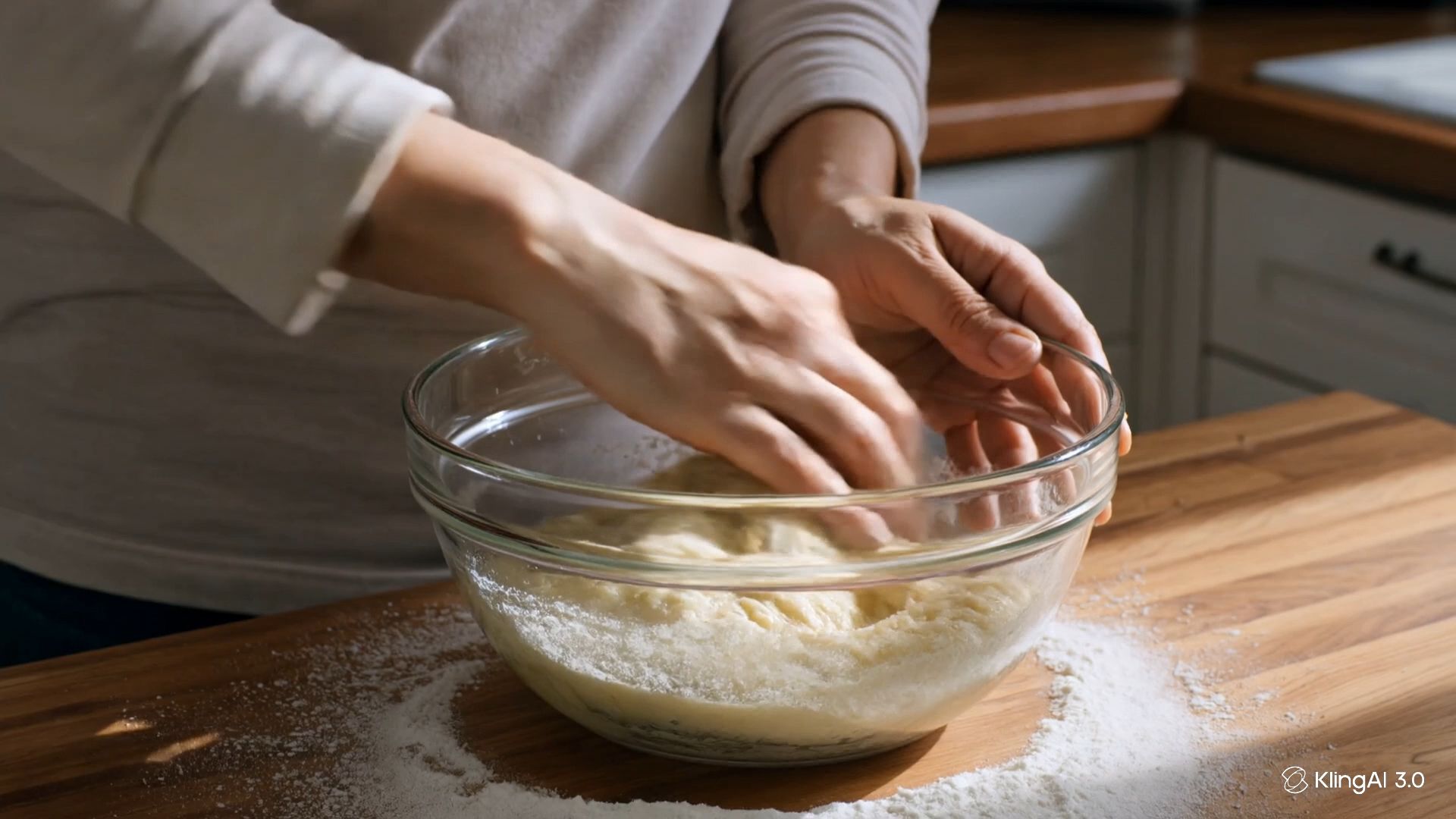  |
Health, Fitness, and Well-Being
Health content should be useful without pretending every viewer has the same body or medical history. Qualified instruction, clear modifications, credible sources, and direct guidance on when to seek professional care are essential.
Mobility after 40: Build progressive sessions for hips, shoulders, ankles, and spine around everyday goals such as reaching, squatting, or climbing stairs. Explain what each movement trains, provide easier and harder versions, and avoid promising pain cures. Periodic self-checks can help viewers notice change without turning flexibility into a competition.
Fitness for desk workers: Combine brief strength sessions, movement breaks, walking, and recovery for people who sit for long periods. Create routines for five, fifteen, and thirty minutes with minimal space. Explain that posture changes throughout the day, offer equipment-free alternatives, and separate general exercise education from diagnosis or treatment of pain.
Beginner walking plans: Design programs for clear goals such as building a daily habit, completing a 5K, or returning after inactivity. Specify pace using the talk test, weekly time, rest, footwear basics, and weather options. Include conservative progressions and warning signs that should prompt viewers to stop and consult a clinician.
Strength training with minimal equipment: Teach complete programs using body weight, resistance bands, or adjustable dumbbells. Cover movement patterns, technique, repetitions, rest, progression, and recovery rather than posting random workouts. Film several angles, name common errors, and provide substitutions for limited mobility, downstairs neighbors, or equipment that becomes too light.
Adaptive exercise demonstrations: Modify useful movements for seated trainees, limited balance, small spaces, joint restrictions, or different equipment access. Collaborate with qualified adaptive-fitness professionals and explain who each version is designed for. Focus on choice and progression, not inspiration narratives, and remind viewers that individual medical guidance may still be necessary.
Evidence-based sleep habits: Translate established sleep guidance into realistic routines involving light, timing, caffeine, temperature, activity, and wind-down habits. Test one behavioral change at a time and track subjective results without claiming a cure for insomnia. Explain when persistent sleep problems, breathing interruptions, or severe daytime fatigue need medical evaluation.
Mental wellness skills: Teach general practices such as grounding, journaling, emotional labeling, problem-solving, and preparing for a therapy appointment. Work with licensed experts, cite established resources, and avoid diagnosing viewers. Every relevant description should include appropriate crisis guidance while episodes distinguish everyday coping education from professional mental-health care.
Stories, Culture, and Entertainment
Entertainment channels need a recognizable promise, not interchangeable uploads. A recurring format, original voice, careful rights management, and a strong opening question can turn one-off viewers into an audience that anticipates the next episode.
Original short mysteries: Write self-contained cases with a recurring investigator, setting, or visual style. Give viewers fair clues, a clear timeline, plausible motives, and a satisfying reveal within a predictable runtime. Between main episodes, publish suspect files, alternate viewpoints, or audience polls that deepen participation without making the central story impossible to follow.
Regional folklore: Document legends from one place or cultural tradition through local archives, scholarship, interviews, and landscape footage. Tell the story first, then explain its earliest known source, later variations, and social meaning. Treat living beliefs respectfully and clearly label reconstructed scenes, disputed accounts, and details added for dramatic presentation.
Alternate-history scenarios: Change one documented event, then trace the likely political, economic, technological, and cultural consequences. Establish what actually happened before introducing the divergence, and distinguish strong evidence from speculation. Maps, timelines, and competing outcomes make the reasoning visible and prevent the episode from becoming an unsupported fantasy presented as certainty.
Animated micro-documentaries: Turn one focused question from science, design, biography, or culture into a concise visual narrative. Use original scripts, source notes, purposeful animation, and sound design to explain what ordinary footage cannot. Use a repeatable structure with a hook, context, mechanism, consequence, and takeaway to keep production manageable while giving each episode a complete argument.
Filmmaking scene breakdowns: Analyze how framing, blocking, lenses, lighting, editing, music, and performance create a scene’s effect. Focus each episode on one technique and demonstrate it with original recreations, diagrams, or lawfully used excerpts. Explain the creative tradeoff, then give viewers a low-budget exercise that applies the same principle.
Indie game lore: Choose one game, studio, or closely related genre with an active community. Build clear timelines, character profiles, update explanations, environmental-storytelling details, and evidence-based theories. Separate confirmed canon from interpretation, credit community discoveries, avoid leaked material, and publish newcomer guides so later videos remain accessible as the story expands.
Public-domain story adaptations: Select works whose status you have verified in the target country, then add original narration, design, performance, and direction. Adapt a chapter, character, or theme rather than merely reading text over generic images. Production diaries and historical context can become companion videos, giving one source work several distinct creative series.
Hobbies, Travel, and Community
Hobby and local channels can win with firsthand knowledge that broad media cannot easily copy. Make practical constraints visible, welcome beginners, and let projects or locations develop across episodes instead of treating every upload as an isolated list.
One-city travel guides: Become the most useful video resource for one city. Cover airport transfers, transit cards, neighborhoods, accessible routes, quiet attractions, rainy-day options, realistic costs, seasonal conditions, and local etiquette. Publish date-stamped updates and build itineraries for different travelers rather than repeating a generic list of famous landmarks.
Weekend trips from one region: Start from one major city or transport hub and design trips that fit two or three days. State travel time, route, booking window, total budget, mobility level, and best season. Revisit popular itineraries when prices or access change, and include backup plans for weather, closures, or sold-out attractions.
Beginner camping skills: Teach planning before reviewing expensive gear. Demonstrate campsite selection, packing, tent setup, food storage, cooking, water, weather response, sanitation, fire rules, and leave-no-trace practices. Create separate tracks for car camping and backpacking, and test skills in controlled conditions before presenting them as emergency or wilderness advice.
Pet enrichment at home: Show safe, affordable activities suited to a specific species, age, and temperament. Explain the behavior each game supports, required supervision, warning signs, cleanup, and ways to adjust difficulty. Work with veterinary or behavior professionals when making health-related claims and avoid presenting one animal’s response as universal.
Phone photography challenges: Teach one skill at a time, such as composition, natural light, motion, portraits, night scenes, or editing, using common phones. Set a clear creative constraint, show the unedited attempts, explain the strongest selection, and recreate the lesson on different devices. Viewer challenges can supply future critiques and community galleries.
One-craft skill ladder: Choose woodworking, sewing, pottery, watercolor, miniatures, or another craft and create a true beginner-to-advanced path. Each project should introduce only a few new skills while reviewing earlier ones. State material cost, tools, time, safety, and likely mistakes, then offer repair techniques instead of hiding imperfect results.
Collecting with context: Focus on one collectible field and teach history, identification, grading, authentication, storage, insurance, pricing factors, and common scams. Compare genuine and questionable examples without encouraging speculation. Interviews with conservators, makers, or experienced collectors add expertise, while collection tours give viewers stories beyond market value.
Prompt
Output
8-second realistic practical city travel scene.
0-2s: Traveler exits airport with a small backpack and checks a transit map.
2-4s: Taps a transit card and boards a city train.
4-6s: Walks through a lively local neighborhood away from tourist crowds.6-8s: Checks phone map, then arrives at a quiet local attraction and looks around with genuine curiosity.
Authentic urban environment, realistic public transportation, natural daylight, practical travel documentary style, handheld camera feel, no luxury tourism, no text, 16:9.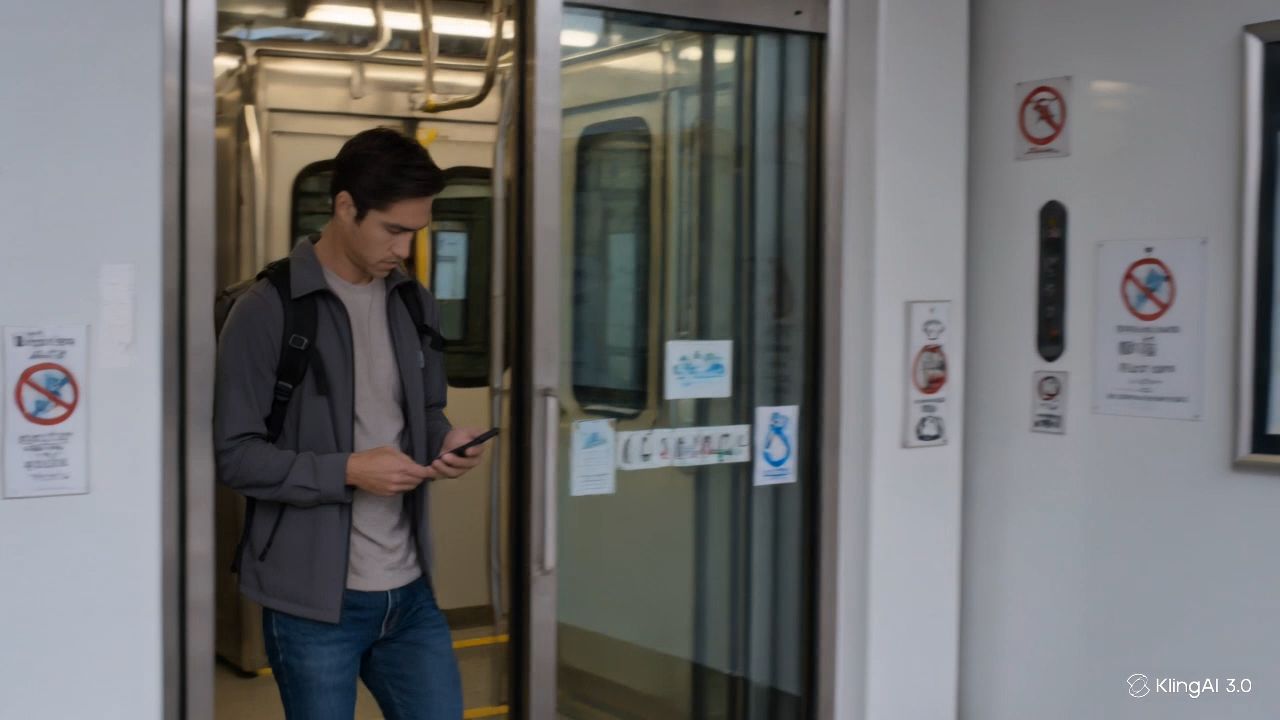
Brands and Professional Expertise
Business channels perform best when they answer questions customers already ask and prove expertise through useful detail. Favor demonstrations, transparent evidence, and searchable problem-solving over company news or polished advertisements with little viewer value.
Real-world product demonstrations: Show a product completing a specific job under normal conditions. Explain setup, learning curve, limitations, maintenance, safety, and the user it fits. Test common edge cases and compare the result with a manual method or previous model, while clearly labeling sponsorships, supplied products, and controlled demonstrations.
Customer problem clinics: Turn support tickets, sales calls, and onboarding questions into focused videos. State the exact symptom, identify likely causes, walk through the fix, and confirm the result. Add chapters and links to relevant documentation, then review comments for follow-up cases. Never expose customer information without clear, documented permission.
Behind-the-process videos: Document how a product, dish, design, repair, or professional service moves from request to finished result. Show materials, roles, decisions, quality checks, time, and waste reduction instead of a silent montage. Explaining why experts reject or redo work often builds more trust than presenting an unrealistically perfect process.
Before-and-after case studies: Begin with the client’s goal, baseline, constraints, and measurement method. Show the important decisions and tradeoffs, then report the result over a meaningful period. Include costs, limitations, and what did not work. Obtain consent, anonymize sensitive information, and avoid implying one outcome is typical for every customer.
Local market updates: Explain housing, employment, tourism, construction, or retail conditions in a defined area using primary data. Lead with the change, show the relevant period and comparison, then discuss several plausible causes. Publish on a predictable schedule and correct revised figures so viewers can distinguish evidence from sales-oriented commentary.
Industry myth checks: Take one widely repeated claim and test it against standards, measurements, demonstrations, or primary sources. Explain where the belief came from, when it may be partly true, and what a better decision rule looks like. This format works especially well for experienced professionals who can show evidence competitors overlook.
Expert reaction with instruction: Respond to a public example, news development, demonstration, or common mistake through a clear professional lens. Add context, explain the decision points, and teach a method viewers can reuse. Keep borrowed material limited and transformative, verify facts before publishing, and separate informed analysis from speculation or personal attack.
Which Idea Fits Your Starting Point?
Choose screen tutorials, explainers, animation, or narrated public-domain stories if you do not want to appear on camera. Choose software tutorials, phone photography, local history, or budget recipes if money is tight. Credentialed creators can build trust in finance, law, health, or career education, but claims must stay within their expertise. Brands should start with customer questions, demonstrations, and case studies because every video solves a known business need.
Turn One Niche Into a Repeatable Video System
Start with three series: searchable answers, recurring episodes, and timely reactions within the same niche. Publish a small test batch, then group comparable videos in Analytics. YouTube recommends comparing content by format, audience, longevity, and production cost to find useful patterns.
Visual production no longer requires every shot to be filmed. Kling AI’s AI video generator can turn text or images into video with native audio, lip-sync, consistent characters, multi-shot control, and up to 4K output. Its image-to-video workflow and motion control guide are especially useful for original explainers, product concepts, and story scenes. Keep human research, writing, fact-checking, and editing at the center.
YouTube requires realistic synthetic media to be disclosed in relevant cases, and disclosure itself does not reduce monetization eligibility. Follow its altered-content guidance and avoid generic, repetitive, mass-produced uploads that can violate channel monetization policies.
Pick the Channel You Can Sustain
The strongest YouTube channel ideas serve a specific viewer, support dozens of distinct videos, and match your knowledge and production capacity. Test three videos, learn from real audience behavior, and improve one repeatable format. Use Kling AI to turn your strongest concept into a polished first video.
Frequently Asked Questions
What Is the Best YouTube Channel Idea for Beginners?
The best beginner idea teaches or documents something you already do regularly for a specific audience. Software tutorials, budget cooking, local guides, hobby progress, and practical explainers are strong because they need limited equipment and provide many searchable topics.
Which YouTube Niches Are Most Profitable in 2026?
Finance, business, software, professional education, and high-value product categories can attract valuable advertisers and sponsors. Profit still depends on audience location, watch behavior, production cost, and revenue mix. No niche guarantees a particular CPM, RPM, or income.
Can a Faceless YouTube Channel Still Be Monetized?
Yes. YouTube evaluates originality and value, not whether the creator appears on camera. Original narration, reporting, animation, tutorials, or analysis can qualify. Reused clips, lightly modified material, and mass-produced template videos can fail monetization review.
How Often Should a New YouTube Channel Post?
Post on the fastest schedule you can sustain without lowering quality; for many beginners, that is one strong long-form video each week or every two weeks. A consistent monthly schedule is better than daily uploads you cannot research, finish, or improve.
How Do I Know Whether a YouTube Niche Has Demand?
Check YouTube autocomplete, recent view counts across large and small channels, recurring questions in comments, and Google Trends. Demand is promising when several current videos earn views, smaller creators can break through, and you can identify unanswered or poorly answered questions.
Can I Use AI-Generated Videos on YouTube?
Yes, if the videos follow YouTube’s policies and add original value. Disclose meaningfully altered or synthetic realistic content when required. Use AI as a production tool, then apply human research, creative direction, editing, and quality control so each upload is distinct and useful.