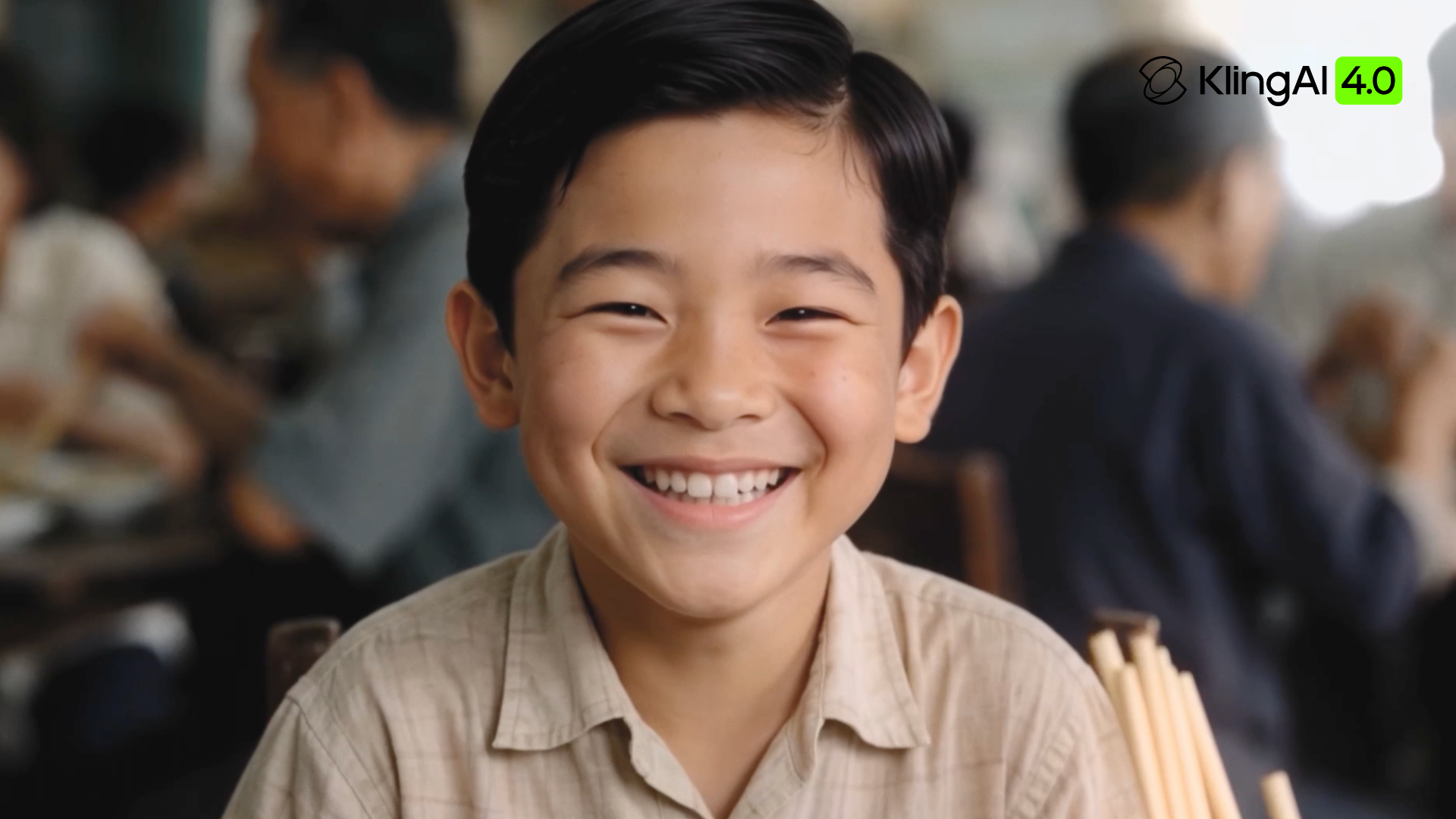
One product photo might be enough for a store listing, but a brand campaign often needs much more: a commercial, short social videos, and images for different placements. How do you make those ads feel like they belong to the same business? Brand advertising starts with a recognizable idea. AI can then help turn that idea into different creative assets without designing every scene from scratch.
What Is Brand Advertising?
Brand advertising is a marketing strategy that aims to build awareness, recognition and preference for a business’s identity, rather than simply focusing on immediate sales.
A brand advertisement gives people something to remember about a business, whereas performance advertising is focused on actions such as clicks or purchases. It could be a unique product design, a recurring character, or a familiar campaign message.
For example, a coffee brand could use the same cream-colored packaging and the same warm morning atmosphere in a commercial, a social video, and a product image. The scenes change, but the brand remains recognizable always.
How Does Advertising Help in Brand Building?
Brand advertising helps build awareness by introducing a business to new audiences, then strengthens recognition and recall through repeated, distinctive brand elements. Consistent product designs, packaging, colors, characters, and messages make it easier for people to connect different ads to the same brand. Over time, these familiar elements can shape brand perception and influence whether customers consider the brand when making a purchase.
The challenge is maintaining those recognizable brand elements across different advertising formats. Traditional production may require separate shooting, sets and edits for each campaign variant. AI provides another way to build these assets: Teams can use approved product photos and creative references to try out different advertising scenes, compositions and camera movements without shooting every single variation.
This is where Kling AI can help turn brand ideas into visual advertising. With Kling 4.0, our AI video generation and editing model, and Kling IMAGE 3.0 Omni, our AI image generation and editing model, brands and agencies can transform creative ideas, product photos, and other references into new video and image ads.
For video campaigns, Kling 4.0 uses Omni Reference to guide product appearance, recurring characters, and visual style across different concepts. More stable motion and camera movements help create dynamic product reveals and short brand stories, while its editing capabilities allow targeted changes to existing footage, such as adjusting backgrounds or framing.
For still-image campaigns, Kling IMAGE 3.0 Omni supports image generation and editing with text and visual references. Its Image Series Mode helps explore varied compositions and settings while keeping key product details recognizable across campaign assets.
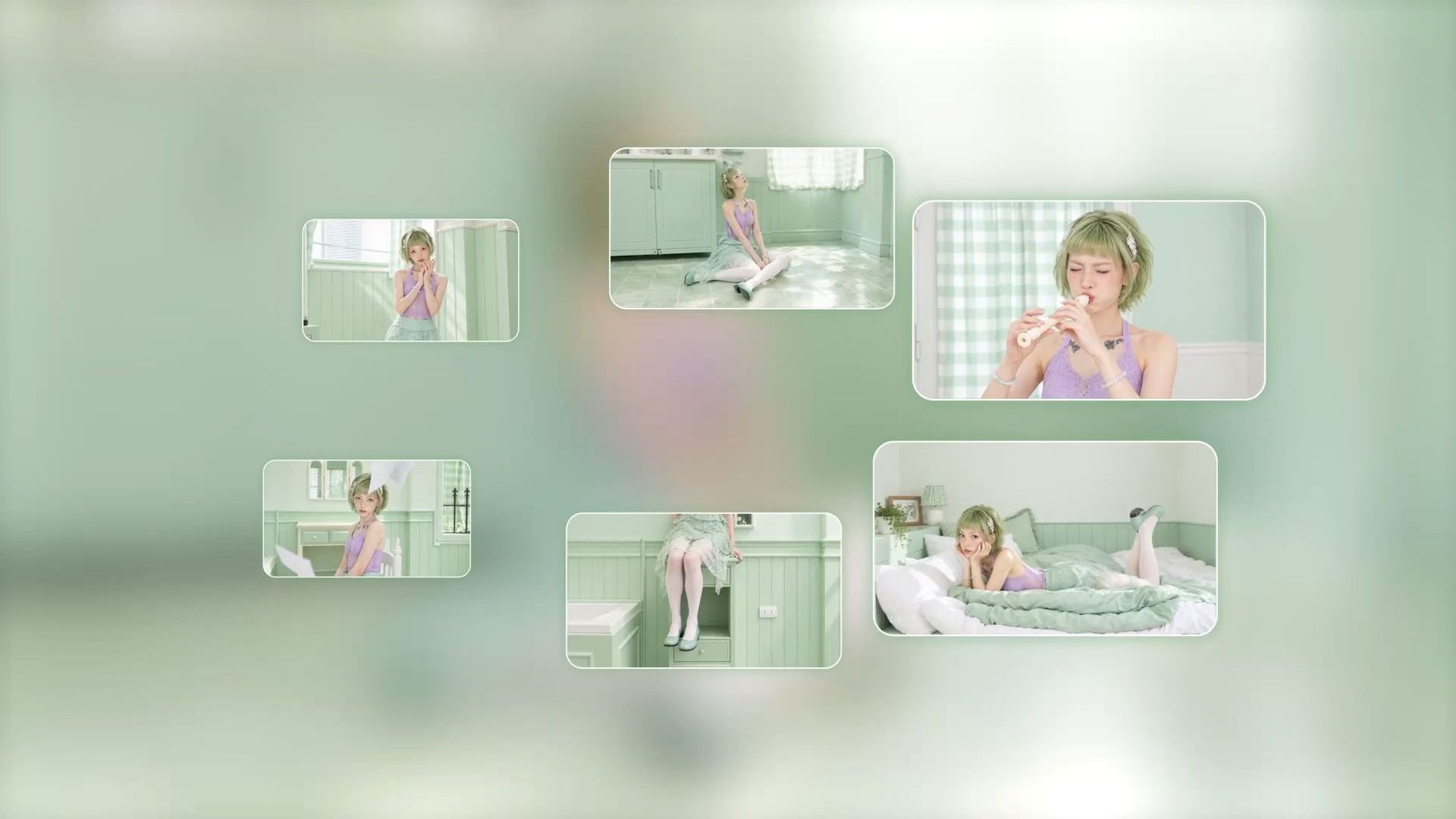

How to Create Brand Advertising With Kling AI
Once you have a clear brand message and visual identity, you can start turning your campaign ideas into creative assets. Here's how to create brand video ads and a related series of images with Kling AI.
Create Brand Video Ads With Kling 4.0
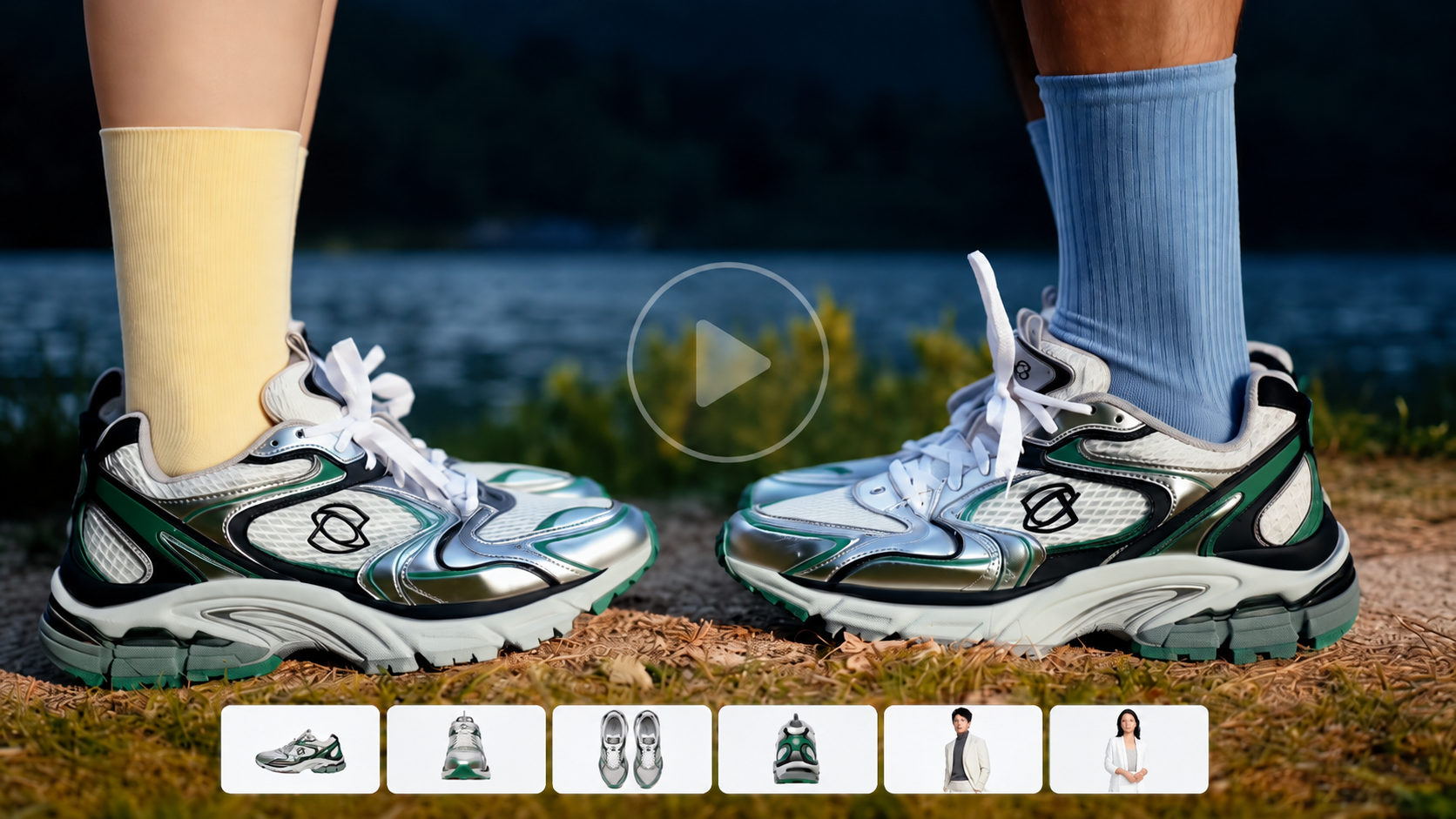
Brand videos can bring products to life through movement, close-ups, and storytelling. With Kling 4.0, you can use existing product photos to guide your commercial video production, then describe the actions and camera movements you want to show. Here's how to create a sneaker advertisement.
Step 1: Add Your Product References
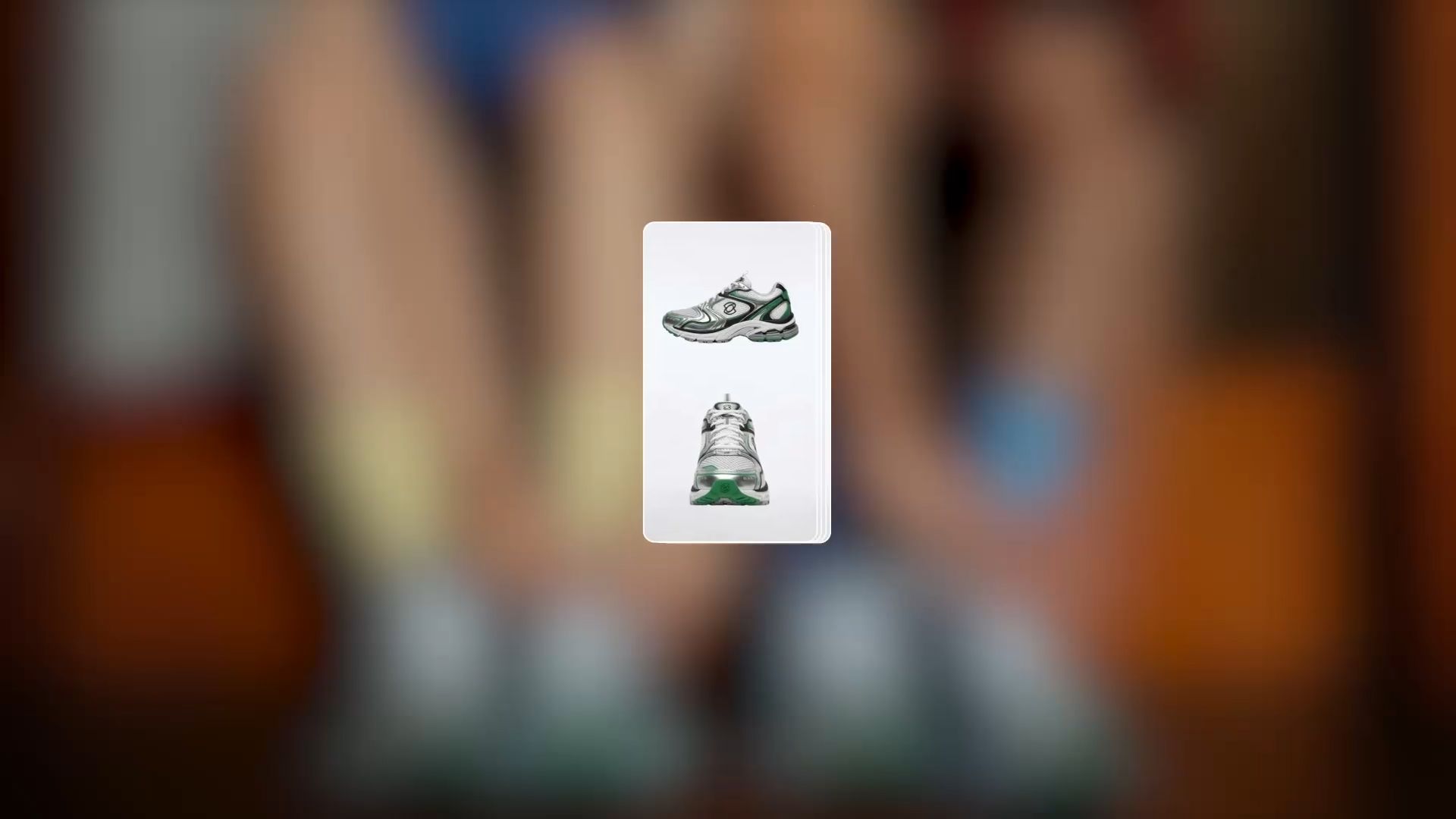
Open Video Generation in Kling AI and choose Kling 4.0. In Omni Reference, upload the product images you want to use. A sneaker campaign might include a side view showing the overall design, a close-up of the materials, and another angle highlighting the sole.
These references can guide the shoe's shape, colors, and distinctive details. If you have a video with the camera movement you want, you can use it as a motion reference and set which aspects you want to carry over. You are able to generate new ideas from a text prompt without uploading any references.
Step 2: Direct the Product Ad
Focus your prompt on what makes the product recognizable and what you want viewers to notice. For the sneaker ad, use the approved product photo to guide the shoe's design, then build the camera movement around its materials, silhouette, and details. Keep the background simple so the product remains the focus.
Prompt Example: Create a 15-second cinematic sneaker advertisement. Use @Image1 as the product reference, preserving the gray-and-black design, dark green accents, white laces, and sole details. Start with a close-up of the sneaker, then use smooth tracking shots to reveal its textures and silhouette. Soft directional lighting highlights the materials. End with a striking product shot against a clean background. Energetic, modern sportswear advertising style. |
Step 3: Generate, Review, and Refine
Generate your video and compare it with the approved product references. For the sneaker ad, check the shoe's design, colors, and materials, as well as the camera movement and overall presentation.
If anything looks off, adjust the prompt or references and generate another version. You can also use Kling 4.0 to edit existing videos, such as changing the background or framing while specifying which details should remain unchanged. For TikTok, Instagram Reels, or YouTube, make sure the framing suits your chosen format. Check any visible logos, text, and product claims before publishing.
Promo videos can introduce a new product or collection through movement and storytelling. For ecommerce listings, social feed ads, or product-focused campaigns, still images may be a better fit.
Create Brand Image Ads With Kling IMAGE 3.0 Omni
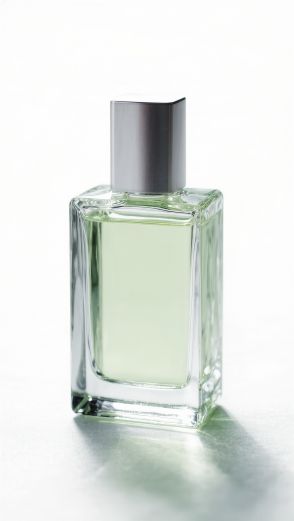
A fragrance brand launching a summer campaign might need several images for its website and social media ads. The product should remain recognizable, even as the backgrounds and compositions change.
With Kling AI's AI image generator, you can explore product advertising images using visual references and text prompts. The Image Series Mode of the Kling IMAGE 3.0 Omni is particularly helpful when a campaign requires several compositions featuring the same product. Think of a Fig & Mint fragrance campaign. The same clear bottle with a light green liquid can be placed next to fresh figs, mint leaves and water to create a refreshing summer mood.
To create a similar series, open Image Generation, select Kling IMAGE 3.0 Omni, and enable Image Series Mode. Upload your product photo, describe the intended campaign style, and choose the number of images you need.
Review the images to see which compositions best suit your campaign. A product-focused shot may work well on an ecommerce page, while a more atmospheric image can help communicate the brand's personality on social media. Check the product details and any visible advertising claims against your approved materials before publishing.
Reference Image
|
| |||
Image Series | Shot 1 | Shot 2 | Shot 3 | Shot 4 |
|
|
|
| |
| Prompt: Fig & Mint perfume. Summer fresh, organic, zero-additives. Consistent bottle shape. Ad series. | ||||




What Types of Brand Ads Work Together in a Campaign?
The video and image examples above are two common ways to bring a campaign to life. A campaign rarely needs every format in equal measure. Choose the assets based on what audiences should notice first and what they should remember afterward.
Campaign Asset | Main Purpose | Example |
Hero brand video | Introduce the campaign's story and personality | A coffee brand's quiet morning ritual |
Short social video | Highlight one memorable moment | A close-up of coffee being poured |
Product image ad | Make the product easy to recognize | The signature coffee package in a simple composition |
Lifestyle image series | Show the product in related situations | The same coffee package across several morning settings |
A small business might begin with one brand video and a few product images. Social media teams can explore different ad concepts with an AI ad generator, while agencies may test alternative visual directions before choosing the final execution.
Whatever the format, each ad should reinforce the same brand identity. That starts with a clear campaign message and a few recognizable details that can carry through different creative executions.
How to Measure Brand Advertising Success
A brand campaign should be measured against its original objective.
If your goal is to improve brand recognition, sales figures alone won't tell the whole story. You also need to consider whether your ads reached the intended audience and whether people can recall the brand afterward.
Objective | Useful Metrics | What They Indicate |
Increase awareness | Reach, unique viewers, frequency | How widely the campaign was seen |
Improve recognition | Brand recognition and recall surveys | Whether people remember the brand |
Encourage interest | Branded searches, website visits | Whether people are showing greater interest |
Build consideration | Brand lift and consideration surveys | Whether perceptions have changed |
Smaller businesses may begin by monitoring available campaign and website data, while recognizing that these indicators cannot prove brand lift on their own.
Marketing teams running larger campaigns may use brand recall surveys or controlled brand lift studies. Creative teams can compare different video openings, product compositions, or messages to understand which executions attract attention.
Keep those tests connected to the original goal. A video with more views does not automatically mean viewers remember the brand more clearly.
The End
Effective brand advertising isn't about making every ad look the same. It's about giving people a reason to recognize and remember your business across different channels. With Kling AI, you can explore brand video and image ads based on your creative needs. Focus on the details that make your brand distinctive, then choose the formats and creative concepts that best communicate your message to your audience.
FAQs
Can You Give Me an Example of Brand Advertising?
A fictional outdoor clothing brand could launch a campaign built around everyday adventures. One ad follows a hiker through a forest, while another uses close-up shots to highlight the jacket's design. With Kling AI, you can explore these video concepts using approved product and character references. The scenes differ, but the recurring product and outdoor theme help establish a recognizable brand identity.
What Are the Latest Trends in Advertising?
Short-form video, AI-assisted production, and creative variations tailored to different platforms are important directions in advertising. Brands are also exploring more distinctive visual storytelling rather than relying on similar-looking promotional content. Whatever the format, recognizable brand elements remain important.
Which Brands Have the Best Advertising?
Brands with distinctive visual identities and memorable storytelling tend to stand out. Their ads use recognizable products, recurring themes, and consistent messages to build familiarity over time. With Kling AI, you can explore different creative concepts while using product and visual references to help maintain your brand's identity across campaigns.
What Is the Most Successful Way to Advertise?
The most effective approach depends on your business goal and audience. A new brand may prioritize awareness and product recognition, while an established retailer might focus on conversions. Start with one clear objective, choose suitable advertising formats, and test creative variations against that goal.
What Ads Make the Most Money?
Direct-response ads are designed to generate measurable actions such as purchases or sign-ups, making their immediate returns easier to track. Brand ads work differently: they can influence awareness, preference, and future buying decisions. A business may benefit from combining both approaches rather than judging every campaign by immediate sales.