The best content ideas for social media give people a useful reason to stop, watch, save, reply, or click. Start with a clear audience problem, shape the message for each platform, and end with one relevant action. Consistent value beats random volume.
Build a Content System Before Choosing Posts
Use four content pillars: teach, prove, connect, and convert. Teaching solves a problem. Proof shows a result. Connection reveals the people, values, or process behind the brand. Conversion helps an interested person take the next step.
Turn each pillar into specific prompts. Teach with answers, corrections, or demonstrations. Prove with customer stories, comparisons, or results. Connect through team moments, opinions, and work in progress. Convert by explaining a benefit, handling an objection, or inviting a demo.
Keep an idea only if it passes three tests. It addresses one audience need. It supports one business goal. It fits a format your team can produce well. This filter creates a stronger calendar than chasing every trend.
Content Ideas for Social Media by Platform
Use Instagram for visual discovery and ongoing relationships. Publish Reels that show a transformation, tutorial, product in use, or before and after result. Build carousels around checklists, mistakes, myths, comparisons, and step-by-step processes. Use Stories for polls, questions, countdowns, customer reposts, and informal updates.
A reliable series is "one problem, three fixes." State the problem on the first frame and end with a save prompt.
TikTok
Make TikTok content immediate, specific, and human. Open with the result, conflict, or question. Test a claim, show a product under real conditions, reply to a comment with video, explain an industry secret, adapt a relevant trend, or go behind the camera.
Create series such as "things customers ask," "we tried it," or "one minute fixes." Let the story lead. TikTok guidance values authentic experience, clear product use, useful information, emotional connection, and strong image, sound, and story quality.
Use Facebook for community, local relevance, events, and useful updates. Post customer stories, employee introductions, live question sessions, local partnerships, product albums, and practical links. Ask questions that require experience, not one-word answers. Answer the strongest comment in a follow up video.
Groups need a different approach from Pages. Lead with discussion, peer help, and exclusive information. Limit direct promotion unless it solves the exact problem being discussed.
Publish expertise people can apply at work. Share an opinion on an industry change, a lesson from a failed project, original data, a process breakdown, a customer result, a document carousel, or a short expert video. Hiring posts should show real work and standards.
Write the conclusion first, then provide evidence and a practical takeaway. Review LinkedIn Page analytics to compare engagement, follower trends, and visitor information.
YouTube
Use YouTube Shorts for discovery and long videos for depth. Shorts can answer one question, reveal one result, demonstrate one feature, or extract a strong moment from a longer video. Tutorials, reviews, interviews, case studies, comparisons, and recurring shows suit long viewing sessions.
Build each video around one promise. Deliver proof early, remove slow introductions, and direct viewers to the next relevant video. YouTube confirms that Shorts can be square or vertical and up to three minutes, which gives creators room for both quick hooks and compact stories.
Prompt | Output |
|---|---|
| Authentic creator answering a common skincare product question, young woman holds a skincare bottle toward the camera, immediately demonstrates the lightweight texture on the back of her hand, applies it to her face and shows the natural non-greasy finish | 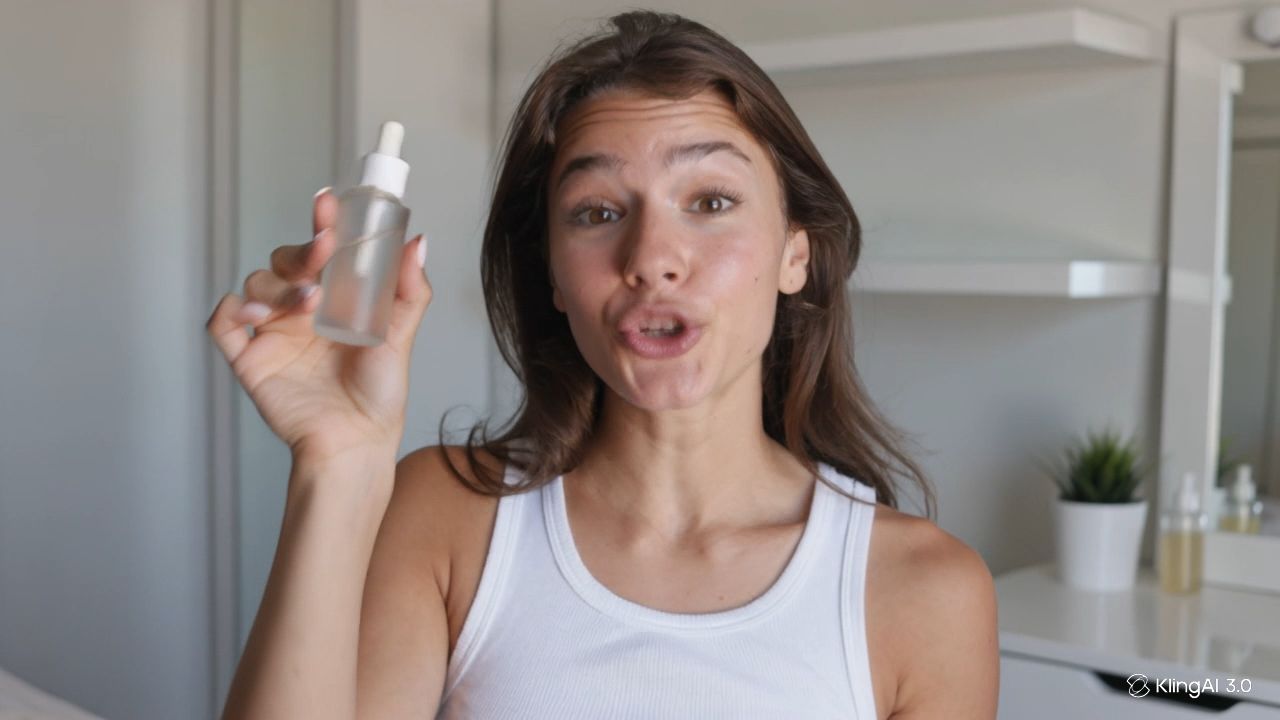  |
X
Use X for timely expertise and direct conversation. Post a reaction to industry news, a concise lesson, an annotated chart, event notes, a poll, or a thread that explains one complex topic. Add original analysis when sharing a link.
Replies are content. Answer thoughtful questions, clarify disputed points, and collect repeated questions for future posts.
Threads
Threads favors conversational ideas with a clear point of view. Share an unfinished thought, a lesson, a useful observation, a debate prompt, or a work in progress update. Ask focused questions that invite stories.
Avoid copying formal LinkedIn posts word for word. Shorten the setup, use a more natural voice, and stay active in replies. Turn the best reply into a new post, crediting the contributor when appropriate.
Treat Pinterest as a visual discovery and planning platform. Create evergreen Pins for checklists, recipes, routines, product uses, style guides, templates, and seasonal plans. Link every Pin to a page that fulfills its promise. Refresh winners with a new image, title, or audience angle.
Track saves, Pin clicks, watch time, and outbound clicks in Pinterest Analytics. Saves signal future value, while outbound clicks show traffic intent.
Element | Prompt | Output | |
|---|---|---|---|
 |  | Dress the model from Image 2 with the shoes and pants from Image 1. Keep the clothes and accessories from Image 2. Preserve all details of pants, shoes, and clothes, including zippers, patterns, and styles. |  |
Snapchat
Use Snapchat for close, informal access. Share a day in the life, event coverage, previews, quick tutorials, creator takeovers, location based stories, and augmented reality experiences. Keep each sequence easy to follow.
Make exclusivity real. Show information, access, or entertainment that followers cannot get from the public feed. Use captions so the story remains understandable when audio is unavailable.
Reddit and Niche Communities
Lead with expertise, not promotion. Answer questions completely, share a process, request feedback, or publish a case study when rules allow it. Search each community before posting.
Disclose your connection to any product you mention. Never pose as a customer. For material relationships, follow the FTC disclosure guidance and place the disclosure where people will notice it.
Turn Strong Ideas Into Platform-Ready Video With Kling AI
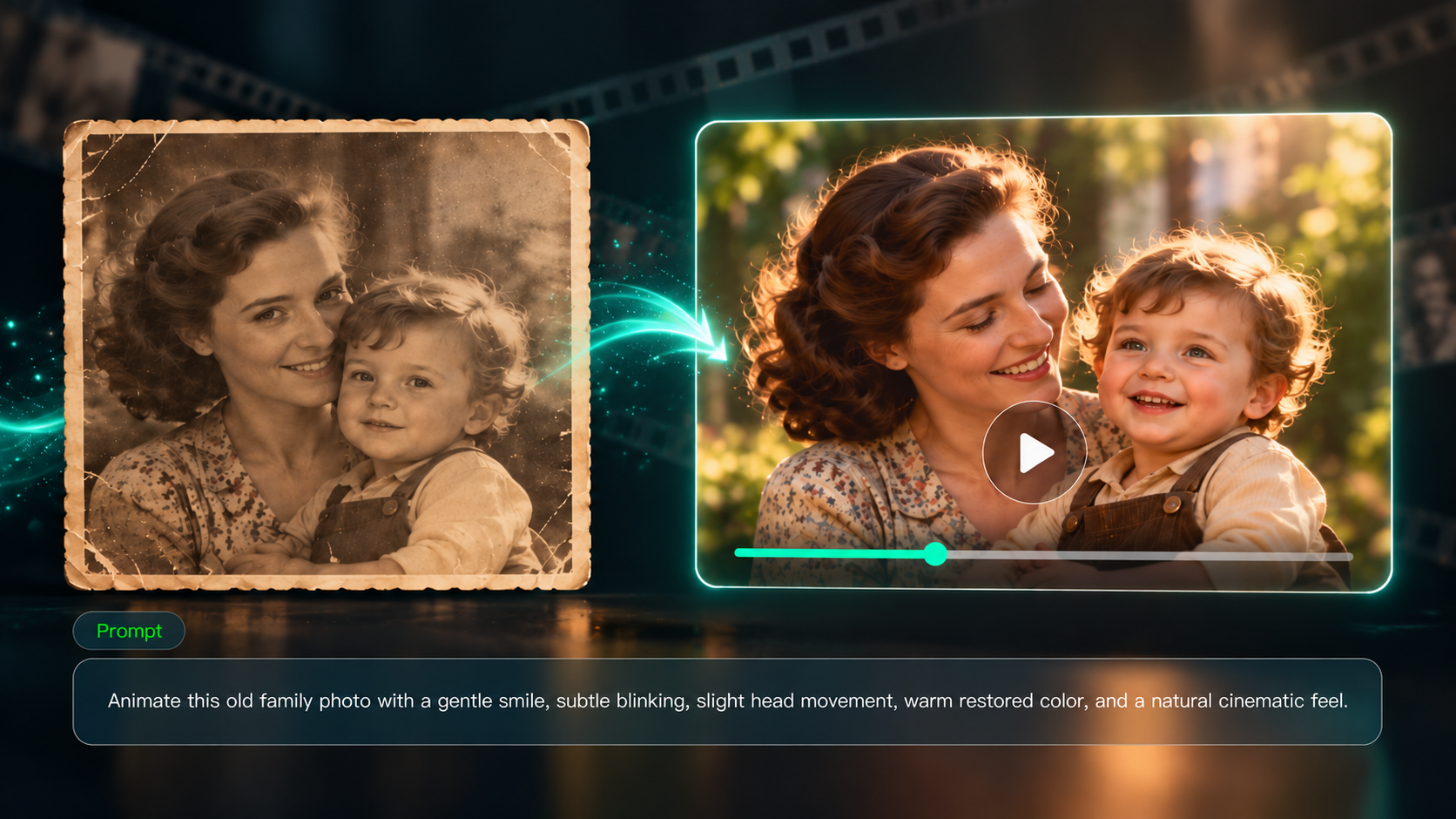
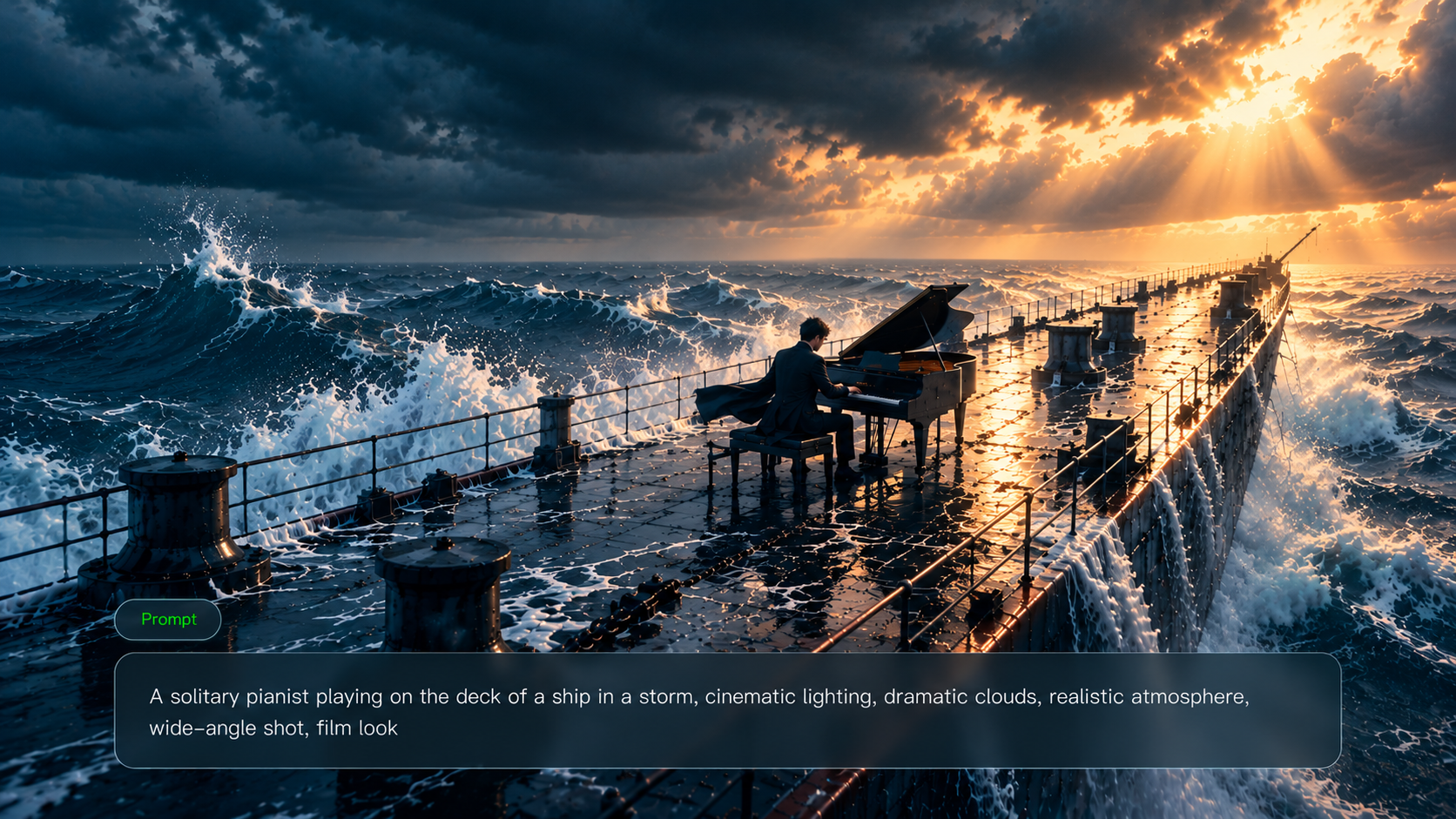
Once a concept proves useful, produce visual versions without rebuilding it. Kling AI VIDEO 3.0 supports text-to-video and image-to-video creation, native audio, improved element consistency, and multiple scene storytelling. Available options include vertical, square, and wide ratios.
Kling AI is especially useful when a post needs a visual demonstration that is difficult to film. Create a vertical product scenario for TikTok or Reels, a square variation for a feed, and a wide scene for YouTube. Keep the opening idea consistent while changing composition, pacing, captions, and the final action.
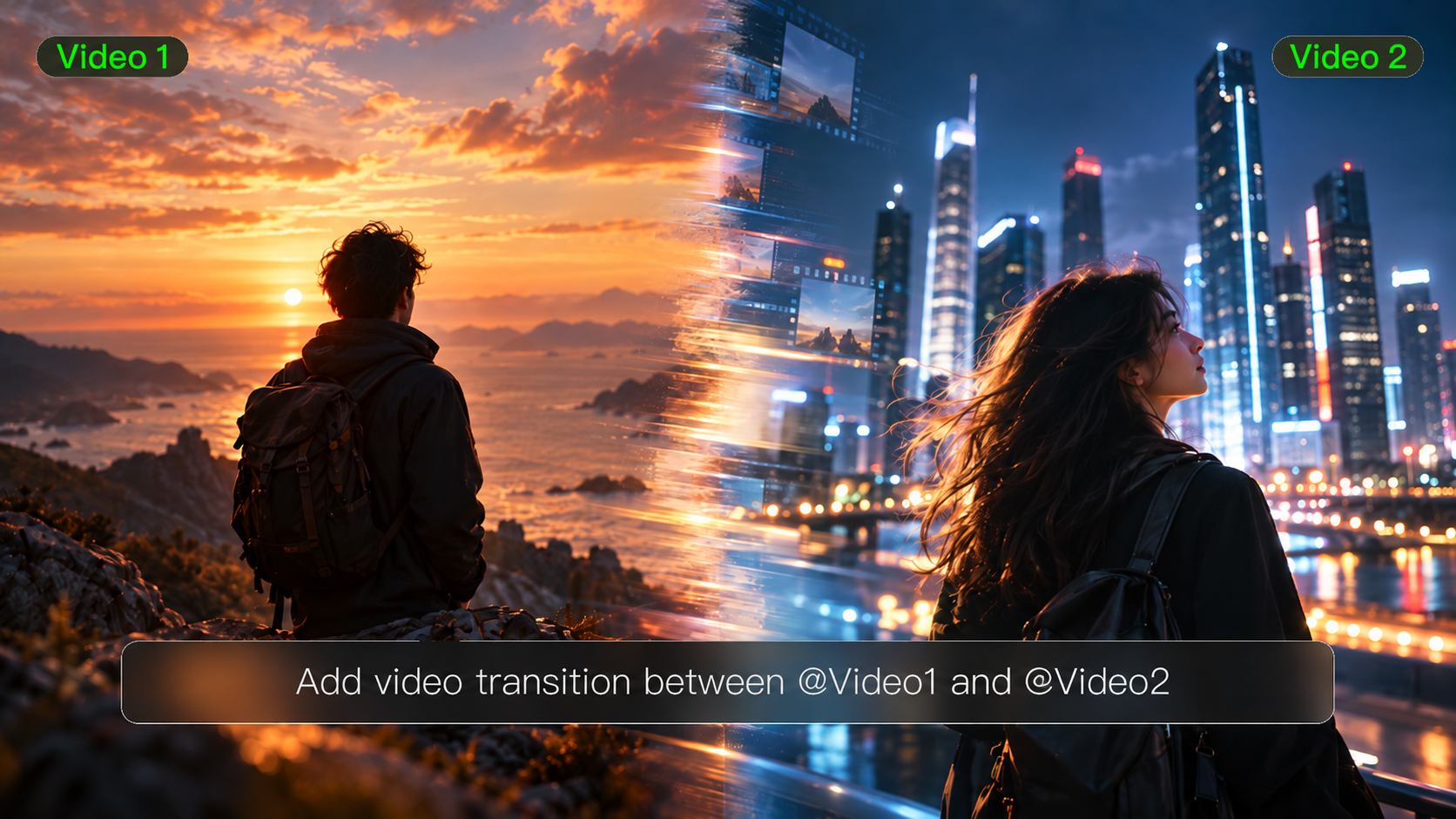
For recurring characters or branded worlds, the Kling AI quick start guides cover Elements, reference generation, start and end frames, lip sync, and motion control. Elements supports visual continuity. Motion Control uses a reference action to guide movement and expression.
Repurpose the Idea, Not the Exact Post
Start with one customer interview, webinar, product test, or expert conversation. Extract one claim, three supporting points, one proof item, and one audience question. Assign each part to its natural platform.
A customer interview can become an Instagram carousel, a TikTok problem and result clip, a Facebook story, a LinkedIn case study, a YouTube breakdown, an X thread, and a Pinterest checklist. Kling AI can create additional visual scenes when the source footage does not cover every point.
Change the hook and action by channel. Ask for a save on a checklist, a reply on a discussion post, a click on a Pin, and another video view on YouTube.
Measure Ideas by Their Intended Job
Match the metric to the post. Use watch time and completion for video retention. Use saves for lasting utility. Use comments and qualified replies for conversation. Use clicks, leads, trials, or sales for conversion. Reach alone cannot show whether a post helped the business.
Review results by topic, format, hook, and platform every month. Keep winners, revise near winners, and stop weak patterns after enough tests. Build a series from any strong post. The best content ideas for social media often come from analytics, customer questions, sales calls, reviews, and support tickets.
Build Once, Adapt With Purpose
Choose ideas from real audience needs, organize them by teach, prove, connect, and convert, then shape every execution for its platform. Reuse the message, but adapt the format, hook, context, and action. Ready to turn approved ideas into polished images and videos? Create with Kling AI today.
FAQs
Q1. What Type of Content Performs Best on Social Media?
Useful, relevant content performs best. Tutorials, demonstrations, customer proof, original insights, and relatable stories teach, reassure, or connect. Compare retention, saves, replies, and conversions.
Q2. How Often Should a Business Post on Social Media?
Post as often as your team can maintain quality and respond. Start with three strong posts per week on a primary platform, review one month of results, and adjust.
Q3. How Do I Find Fresh Social Media Content Ideas?
Start with customer questions, comments, reviews, support tickets, sales objections, and use cases. Turn each repeated need into a tutorial, story, comparison, myth, checklist, demonstration, and question.
Q4. Can I Use the Same Content on Every Social Media Platform?
Yes, reuse the core idea, but adapt the execution. Change the opening, length, visual ratio, caption, context, and action to match how people use each platform. Avoid publishing an identical file and caption everywhere.
Q5. What Is the Best Social Media Platform for a Small Business?
Choose where ideal customers already seek information or entertainment. Local businesses may prioritize Facebook or Instagram. Business services may favor LinkedIn or YouTube. Product brands may gain more from TikTok, Instagram, or Pinterest.
Q6. How Can AI Help Create Social Media Content?
AI can help turn briefs, scripts, and reference images into visual concepts and platform variations. Kling AI supports image and video creation, multiple aspect ratios, consistent elements, and controlled motion. Human review should still protect accuracy, brand voice, rights, and audience trust.