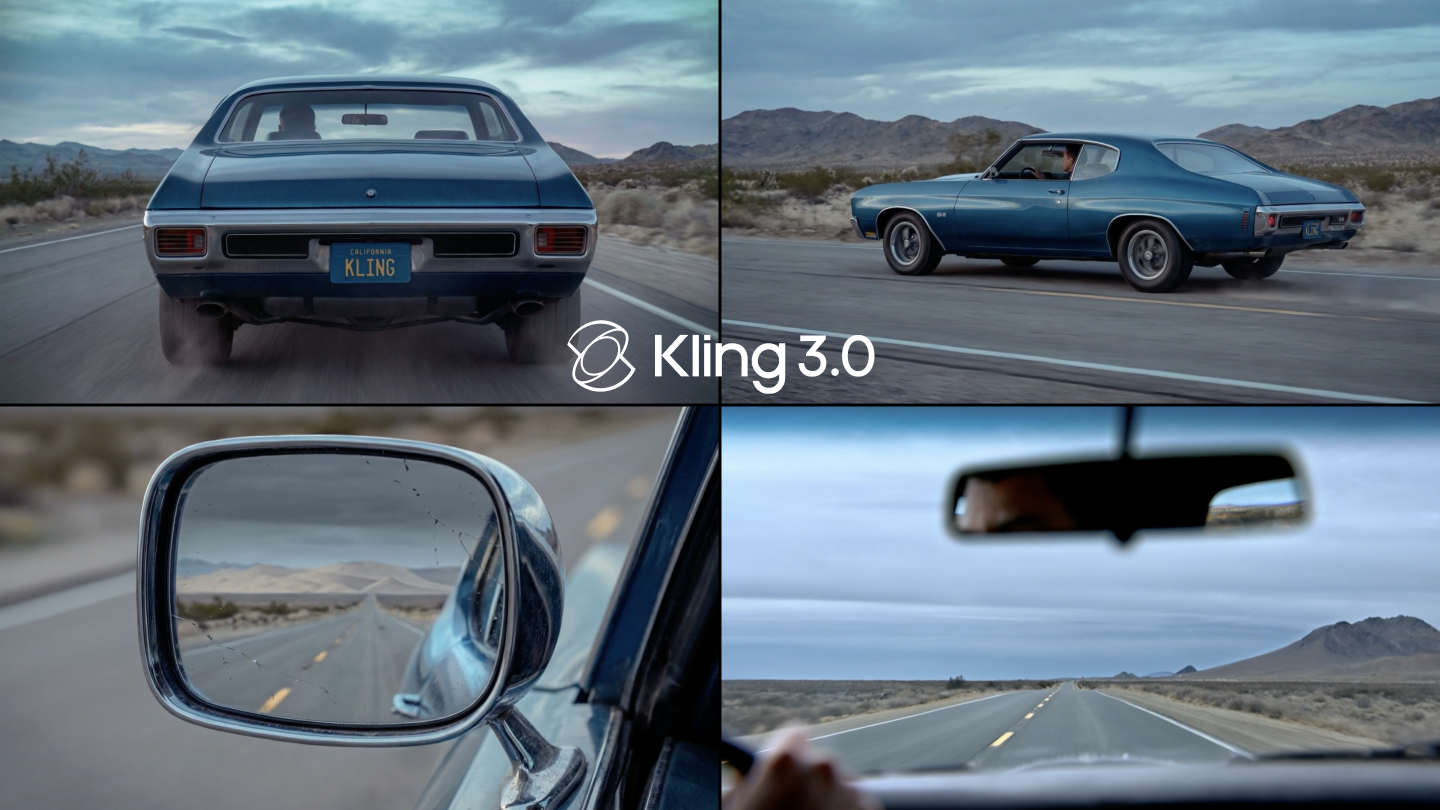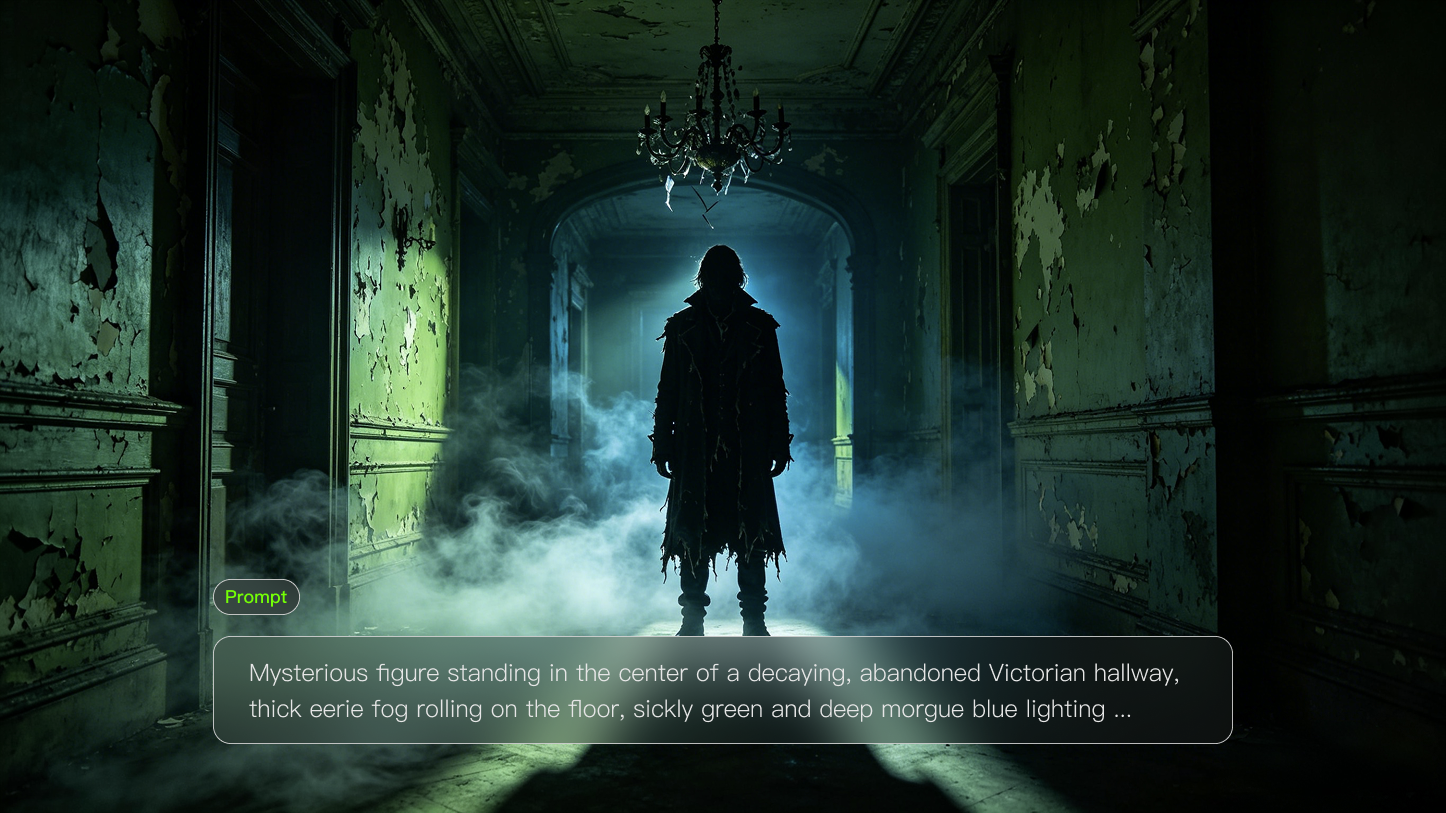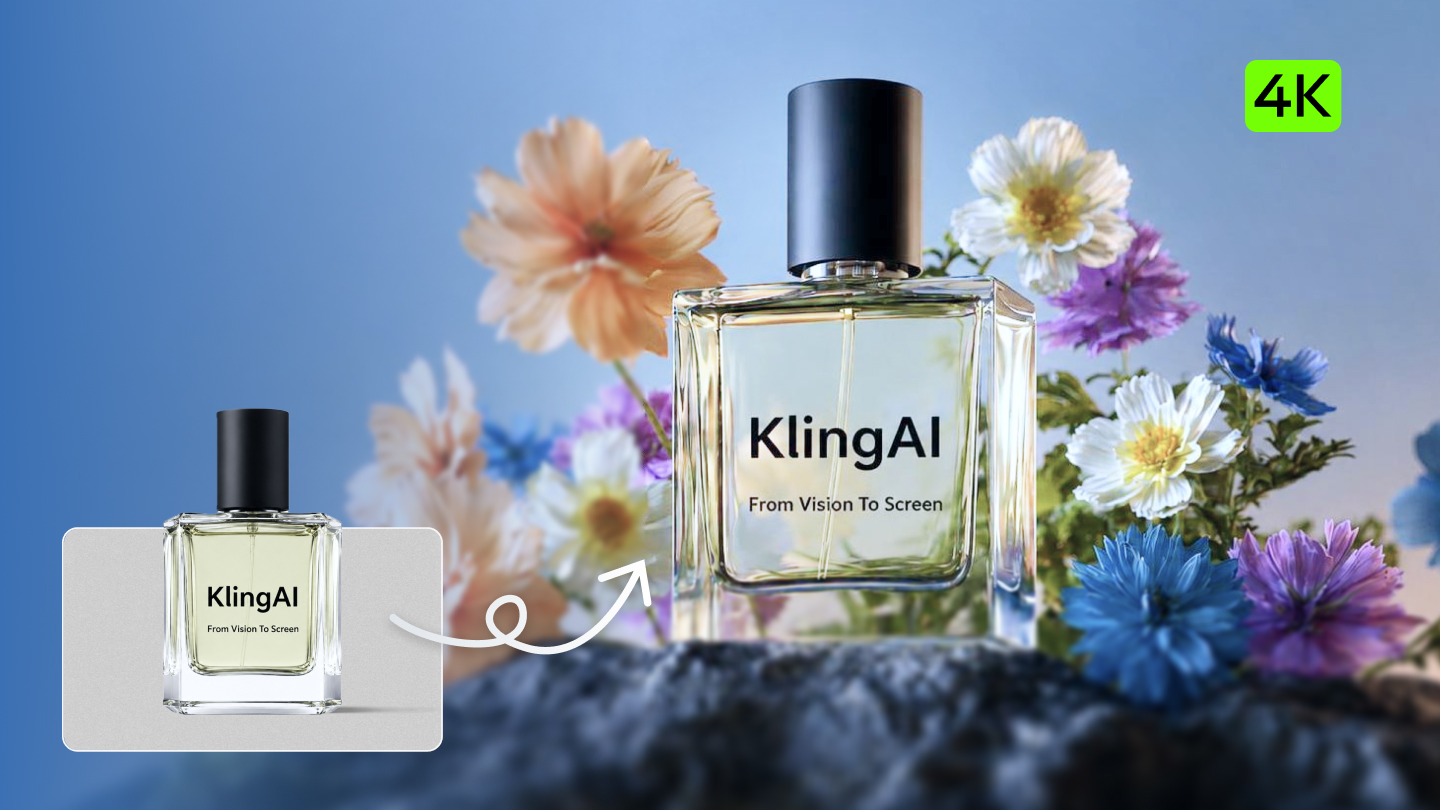
Kling VIDEO 3.0 Omni is built for reference-driven video workflows with Native Audio, Multi-Shot generation, Multi-image Reference, Element Reference, Video Element Reference, and Element Voice Control.
How Do Reference Workflows Guide a Prompt?
Reference workflows connect the prompt with selected assets in the product, such as images, elements, video elements, and voice controls. The prompt should describe how each selected asset appears and what role it plays in the scene.
Common reference inputs include:
1. Element references for characters, products, props, or other recurring subjects.
2. Image references for subject features, style, or scene direction.
3. Video element references when a character's visual and audio characteristics need to be captured from video.
4. Element voice control when voice direction needs to stay connected with a character element.
A reference-driven prompt should still read naturally. Name the character, product, prop, scene, action, and speaker clearly so the selected references have a clear creative role.
Reference Input | Supported Asset Type | Prompt Focus |
Element Reference | Character, product, prop, or other recurring subject. | Describe how the element appears and what role it plays. |
Image Reference | Image selected for subject, style, or scene direction. | State which visual feature the image should guide. |
Video Element Reference | Character video used in supported reference workflows. | Use when visual and audio characteristics from a character video matter. |
Element Voice Control | Voice connected with an element. | Name the speaker, line, language, and delivery. |
For recurring characters or educational presenters, use references to keep the subject recognizable, then describe the scene action, dialogue, and camera relationship directly.
Practical Uses for Reference-Driven Prompts
In marketing, a product reference can help maintain the shape, color, and visual identity of a hero product while placing it in different scenes.
Cinematic sequences benefit from clear actions, speaker labels, and visual references. A dialogue scene should name each character, the spoken line, the delivery, and the gesture or expression that belongs with that line.
Kling VIDEO 3.0 Multi-Shot can use scene coverage and shot information in the prompt to adjust camera angles and compositions. Custom Multi-Shot can define shot duration, shot size, perspective, narrative content, and camera movement.
How Should Prompts Describe Motion?
Realistic motion depends on clear action language: speed, direction, body posture, environmental contact, and the way the camera follows the subject.
For objects and natural elements, describe what the viewer should see: falling leaves, fabric pulled by wind, reflections on wet ground, water rippling after a step, or a hand gripping a prop.
Motion Need | Prompt Direction | Visible Result |
Falling or jumping | Describe takeoff, body arc, landing, and contact. | The action has readable stages. |
Wind or fabric | Describe what moves and in which direction. | Cloth, hair, leaves, or smoke respond visibly. |
Water or dust | Describe ripples, splashes, trails, or dust lifting. | The environment reacts to the subject. |
Camera relationship | Describe push-in, tracking, pan, tilt, or framing. | The viewer understands the motion clearly. |
For objects and natural elements, describe what the viewer should see: falling leaves, fabric pulled by wind, reflections on wet ground, or a hand gripping a prop.
Environmental Detail and Lighting in Kling VIDEO 3.0 Omni
Environmental detail makes a scene more believable. Describe visible shadows, reflections, haze, rain, wind, surface contact, and how those details interact with the subject.
For natural elements such as rain, wind, or moving grass, write the visible effect directly: how it moves, where it appears, and how it affects the subject or environment.
A clear prompt can describe liquid, dust, smoke, or reflections as visual behavior: ripples spreading across water, dust lifting from the ground, smoke drifting through a doorway, or reflections stretching across wet pavement.
Native Audio and Multi-Character Dialogues
Kling VIDEO 3.0 and Kling VIDEO 3.0 Omni support Native Audio. The 3.0 series supports Chinese, English, Japanese, Korean, and Spanish, along with dialects and accents.
For multilingual scenes, write the speaker, language, line, and delivery clearly. Supported workflows can include dialogue in different languages within the same scene.
Audio Workflow | Supported Capability | Prompt Focus |
Native Audio | Dialogue, sound effects, and ambience in supported Kling VIDEO workflows. | Write the speaker, line, tone, and scene sound clearly. |
Multilingual support | Chinese, English, Japanese, Korean, Spanish, dialects, and accents. | Name the language and delivery for each speaker. |
Element Voice Control | Add voice to elements in Kling VIDEO 3.0 Omni workflows. | Connect voice direction with the character element. |
Lip movement and expression | Natural and coherent lip movements and facial expressions across supported language scenes. | Keep the speaking face visible and the line clear. |
When a voice needs to stay connected with a character, pair the character reference with the available voice controls so the scene keeps the intended speaker and tone.
Multi Shot Storyboarding and Cinematic Control
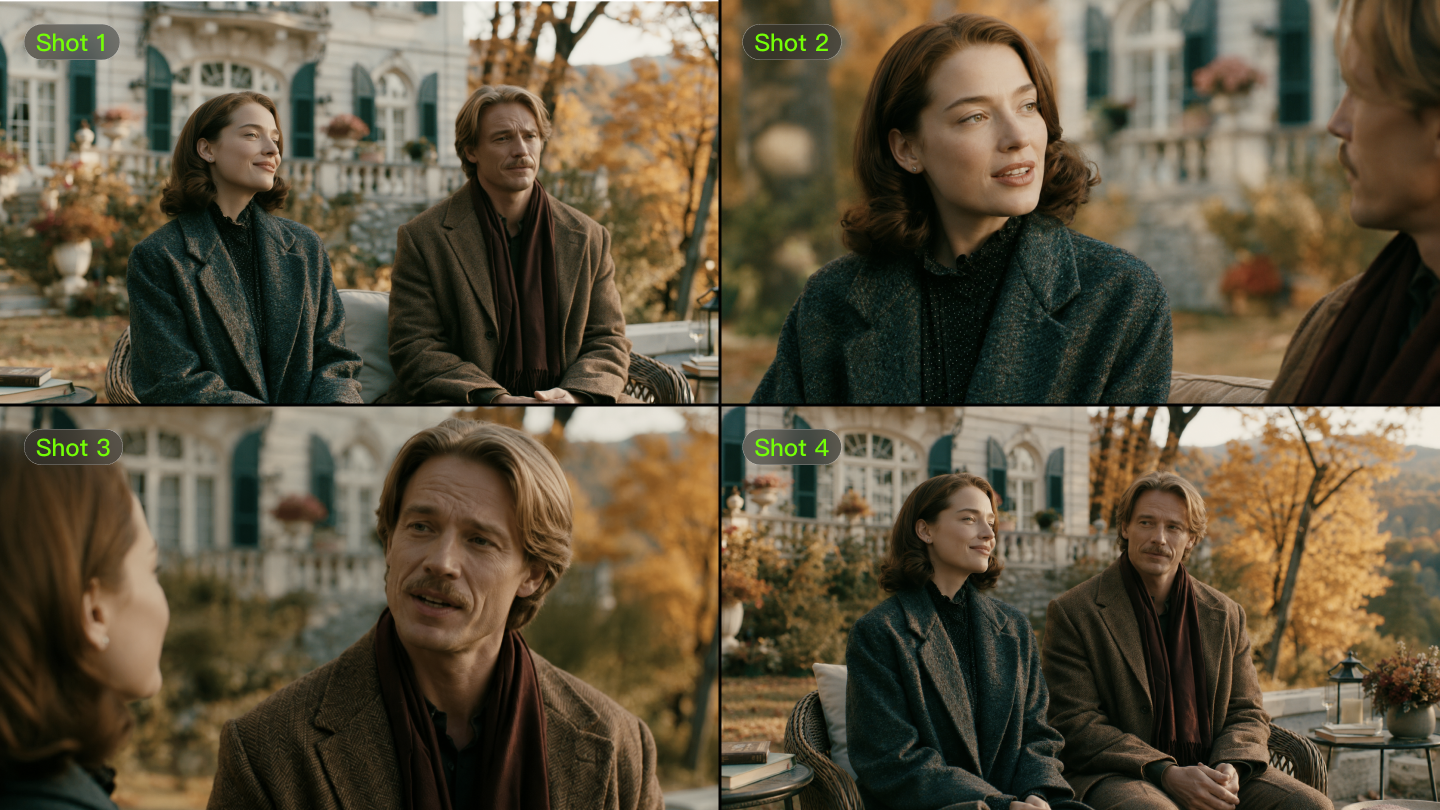
Kling VIDEO 3.0 and Kling VIDEO 3.0 Omni support Multi-Shot generation and up to 15 seconds of video, giving creators more room for dialogue, camera changes, and story development in one generation.
For prompt-led Multi-Shot, describe the scene, dialogue, camera coverage, and visual rhythm. For Custom Multi-Shot, specify shot duration, shot size, perspective, narrative content, and camera movement.
A cinematic sequence might follow a structure like this:
● Shot 1: Wide shot of a European villa terrace where a man and woman sit.
● Shot 2: Close-up on the woman as she speaks about the trees turning yellow.
● Shot 3: Close-up on the man as he whispers a response.
● Shot 4: Medium shot showing both characters as the woman smiles.
Use cinematic language that is visible in the output, such as shot-reverse-shot dialogue, cross-cutting dialogue, voice-over, push-in camera movement, close-up, wide shot, or tracking shot.
Reference and Shot Planning Checklist
Plan the workflow around supported creative needs: Native Audio, Multi-Shot, Custom Multi-Shot, Multi-image Reference, Element Reference, Video Element Reference, Element Voice Control, multilingual dialogue, and flexible duration.
Keep the prompt focused on the selected references, the scene action, the speaker, the camera relationship, and the shot plan.
Planning Need | Supported Workflow | How to Write It |
Reference consistency | Element Reference, Multi-image Reference, Video Element Reference | Select clean references and define each role in the scene. |
Voice connection | Element Voice Control | Name the speaker, line, language, and delivery. |
Shot planning | Multi-Shot and Custom Multi-Shot | Define shot duration, shot size, perspective, narrative content, and camera movement. |
Longer scene | Flexible duration up to 15 seconds | Plan the story beat around the available duration. |
Camera movement can be described in natural language: a slow push-in, a handheld follow shot, a wide establishing frame, or a low tracking shot beside the subject.
Subject Consistency and Character Preservation
Kling VIDEO 3.0 Omni is especially useful when a character, product, or voice needs to remain connected to reference material across a scene.
Use high-quality references and direct prompts to preserve important features such as face, clothing, product shape, voice tone, and scene elements.
Element Voice Control can connect voice direction with a character element in supported workflows. Keep the reference clean, the speaker clear, and the delivery note close to the line.
Educational and Scientific Visualization Use Cases
Educational creators can use references to keep visual subjects consistent while explaining a concept, then use prompts to describe the visible steps, labels, motion, or scene changes.
For diagrams, symbols, or teaching materials, use clear source images and simple instructions about what should change and what should stay fixed.
Use Case | Reference or Prompt Need | Practical Direction |
Presenter video | Consistent character reference and clear voice direction. | Keep the speaker, line, and visual role easy to follow. |
Product lesson | Product or object reference. | Describe what changes and what stays recognizable. |
Step-by-step concept | Multi-Shot planning. | Separate setup, demonstration, and result across shots. |
Labeled visual | Native-level text output when using supported video workflows. | Keep labels short, placed clearly, and part of the composition. |
Native Audio can support voiceover or dialogue when the scene calls for spoken explanation. Keep the speaker and line clear in the prompt.
Prompt | Elements | Output |
| Pure black background where a river of color matching the @kling lipstick bullet flows out of the darkness, leaving a saturated and flawless trail; subsequently, the trail comes alive like a liquid river, spreading and bleeding elegantly across the surface to form the pattern of @logo; then the liquid color converges into the actual bullet of the @kling lipstick placed on a water surface; the lipstick is surrounded by delicate water and flower buds, where the flowers slowly bloom as subtle ripples spread across the water surface. | 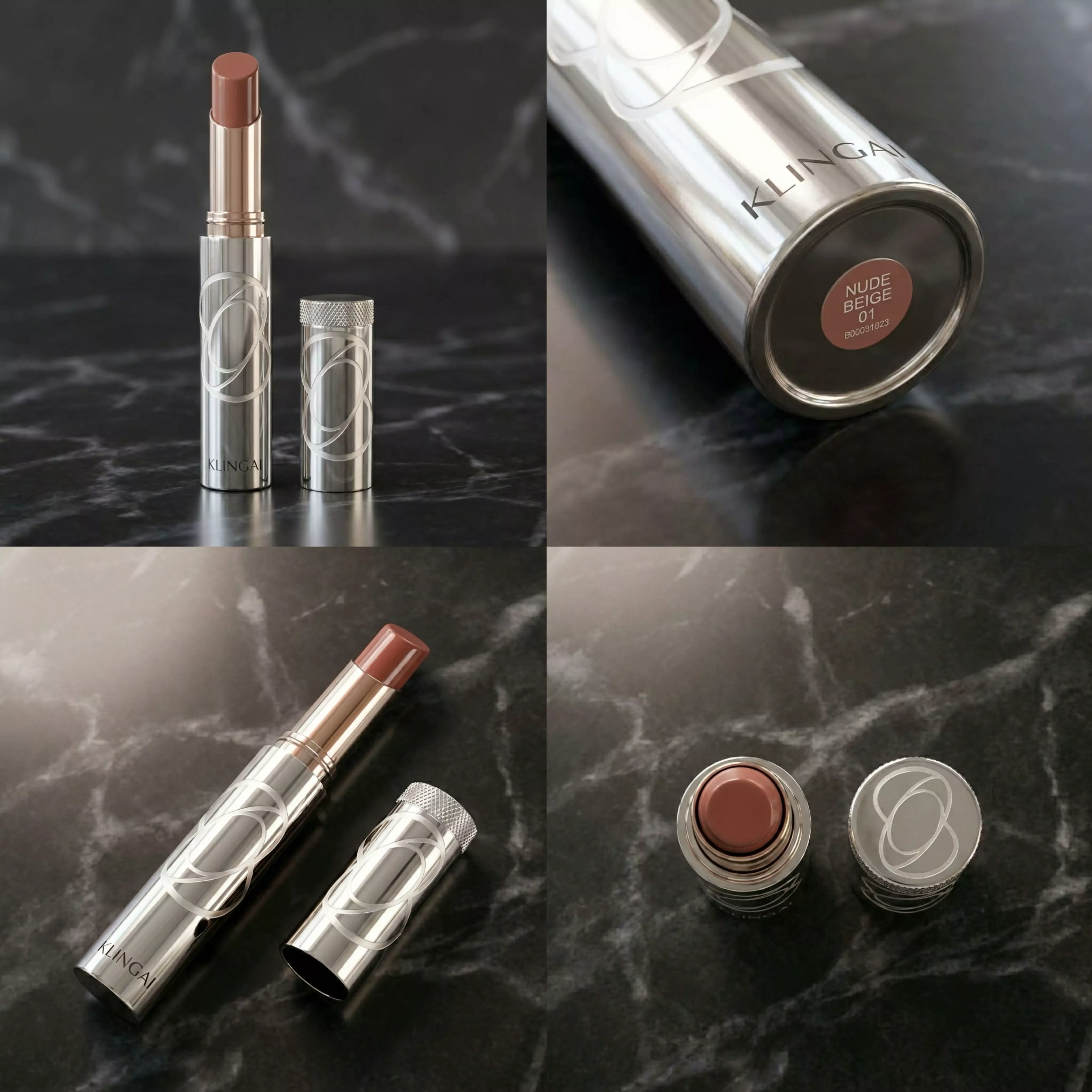 |   |
 |
Multi-Element Reference Workflow Planning
Kling VIDEO 3.0 Omni supports reference-driven video creation with Multi-image Reference, Element Reference, Video Element Reference, Native Audio, Multi-Shot generation, and Element Voice Control.
A multi-element workflow works best when each reference has a clear job: one element can define a character, another can define a product or prop, a reference image can guide the scene, and Element Voice Control can connect voice direction with a character element.
For complex scenes, write how each element appears, how it interacts with the other elements, which shot it belongs to, and what dialogue, ambience, or camera movement supports that moment.
Use Kling VIDEO 3.0 Omni when the project needs recurring characters, product consistency, video element reference, or voice direction connected to an element across a multi-shot scene.
Start with clean references, then build the prompt around the character, product, voice, scene action, and shot plan that matter most.
FAQs
Q1. How Do You Use References in a Video Prompt?
Use the product workflow to connect references with a scene, then describe which character, image, video element, or voice guides the result.
Q2. How Should Kling VIDEO Prompts Describe Real-World Motion?
Use visible motion language such as speed, direction, weight, posture, contact with the environment, and camera movement.
Q3. What Languages and Audio Features Does Kling VIDEO 3.0 Support?
Kling VIDEO 3.0 supports Native Audio, Chinese, English, Japanese, Korean, and Spanish, plus dialects and accents. Use clear speaker labels and delivery notes for multi-character dialogue.
Q4. How Do Multi-Shot Generations Work in Kling VIDEO 3.0 Omni?
Multi-Shot supports more shots and coverage inside one generation. Custom Multi-Shot supports shot-level control over duration, shot size, perspective, narrative content, and camera movement.