AI influencer marketing works when the character serves a real campaign goal. A virtual face can make content more flexible, but the message still needs a reason to matter. Brands should start with audience trust, disclosure, and repeatable content rules before producing visuals.
Start With the Campaign Goal
An AI influencer campaign should begin with the brand objective, not the character’s appearance. The persona, visual direction, scripts, and disclosure approach should all support a measurable outcome.
The goal might be brand awareness, product education, lead generation, community engagement, or a product demonstration. Each goal requires a different content format and a different role for the character.
Fit the Persona to the Offer
The audience should be able to understand who the character is, why it appears in the campaign, and how it relates to the product.
A fictional product host may work well for software explainers, while a virtual stylist may be a better fit for fashion content. The persona should make the offer easier to understand rather than drawing attention away from it.
When the connection between the character and the product feels unclear, the campaign may generate curiosity without improving trust or conversion.
Give the Persona One Clear Job
A focused campaign gives the character one primary role at a time. Awareness, education, demonstration, and community engagement all require different creative choices.
A short post should not try to introduce the character, explain several features, tell a story, demonstrate the product, and deliver a sales message at once. Giving each asset one clear purpose usually leads to a more understandable result.
Build the AI Influencer Marketing Campaign
The campaign workflow should connect persona design, content planning, production, review, publishing, and measurement.
1. Define campaign purpose. Choose awareness, education, demo, lead generation, or community building before making visuals.
2. Build a consistent persona. Document voice, values, visual rules, audience, boundaries, and approval standards.
3. Plan content pillars. Use tutorials, behind-the-scenes stories, product use cases, trend reactions, and audience questions.
4. Create campaign assets. Produce images, videos, scripts, and captions that support the approved message.
5. Review claims and disclosures. Check the character’s identity, product details, commercial claims, sponsorship language, and platform requirements.
6. Measure campaign performance. Track the metrics that reflect the campaign goal, such as qualified clicks, saves, relevant comments, conversions, cost per result, and sentiment.
Once the persona guide, product references, approved claims, and disclosure approach are in place, Kling AI can support the production stage.
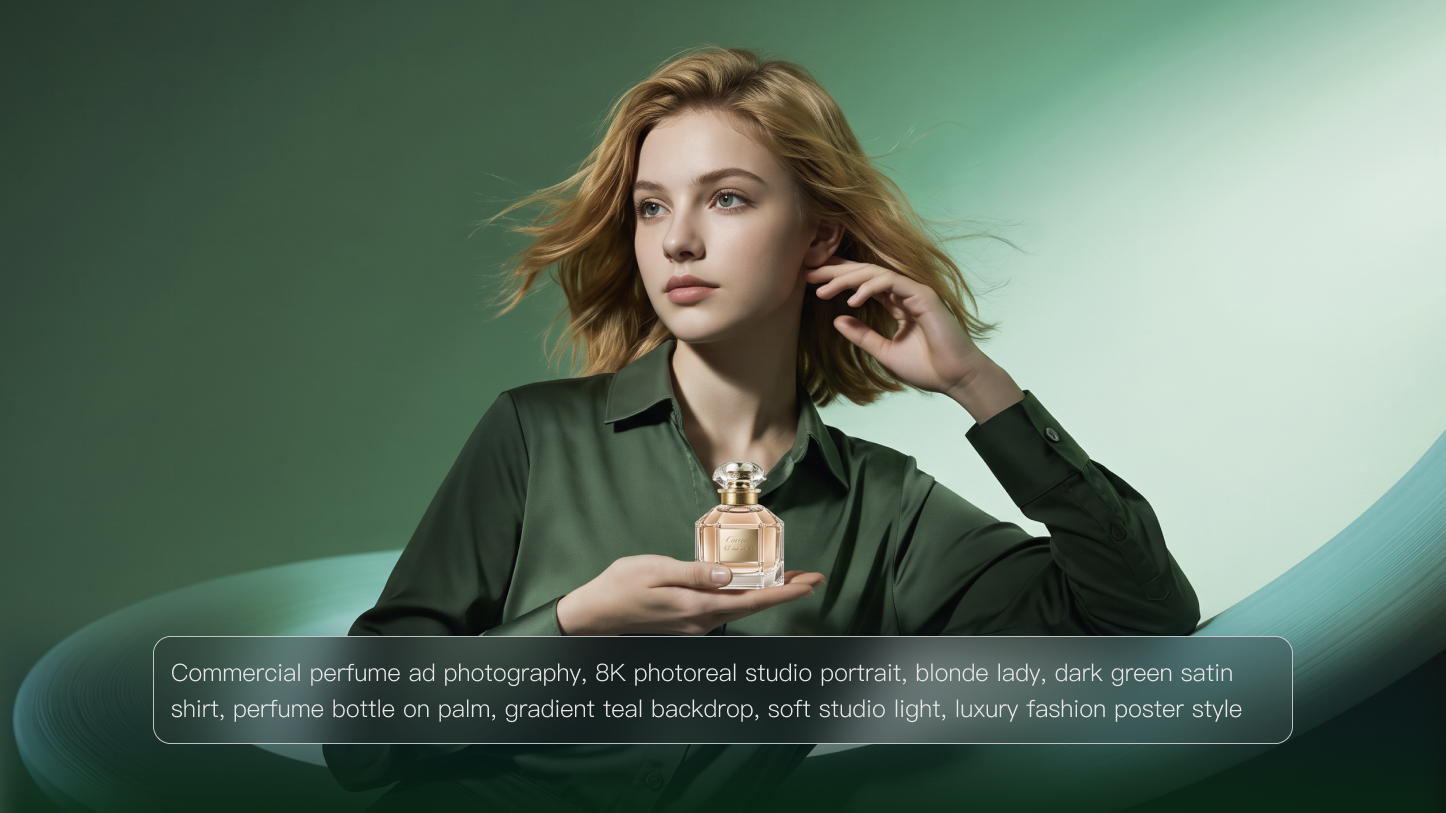
Kling IMAGE 3.0 can use up to 10 reference images to guide character features, products, composition, and visual direction. Local re-editing can also be used to adjust a selected part of a campaign image without recreating the entire asset.
For short-form motion, Kling VIDEO 3.0 supports image-to-video and Element Reference workflows. A team can begin with an approved character or product image and use references to help maintain important subjects or objects across the generated scene.
These tools can support production, but they do not replace human responsibility. Product claims, sponsorship language, visual accuracy, and audience replies still need review and approval.
Image | Prompt | Output |
|---|---|---|
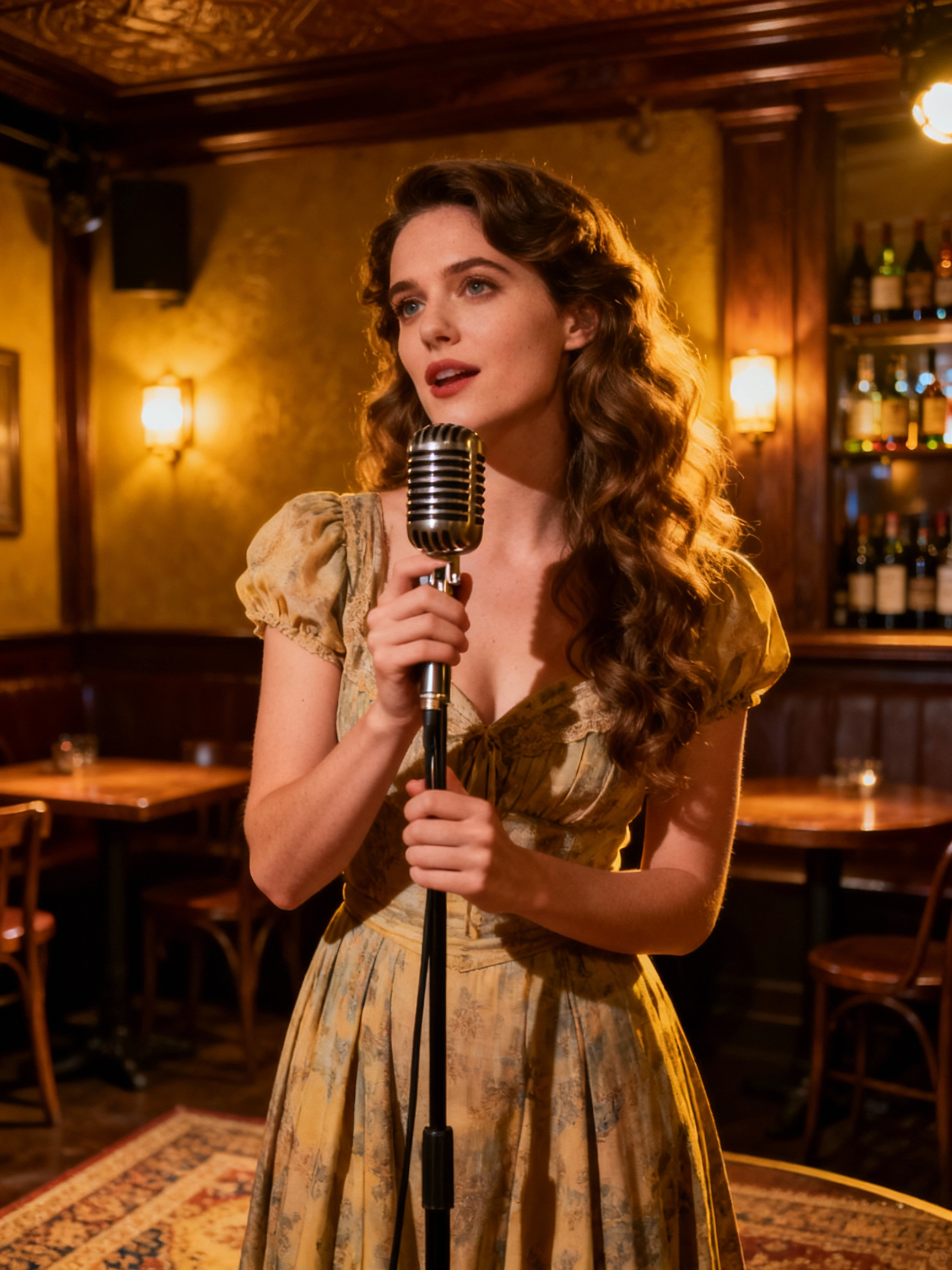 | The singer sings earnestly, enjoying the stage with a smile, and her body movements sway naturally in coordination with the performance. | 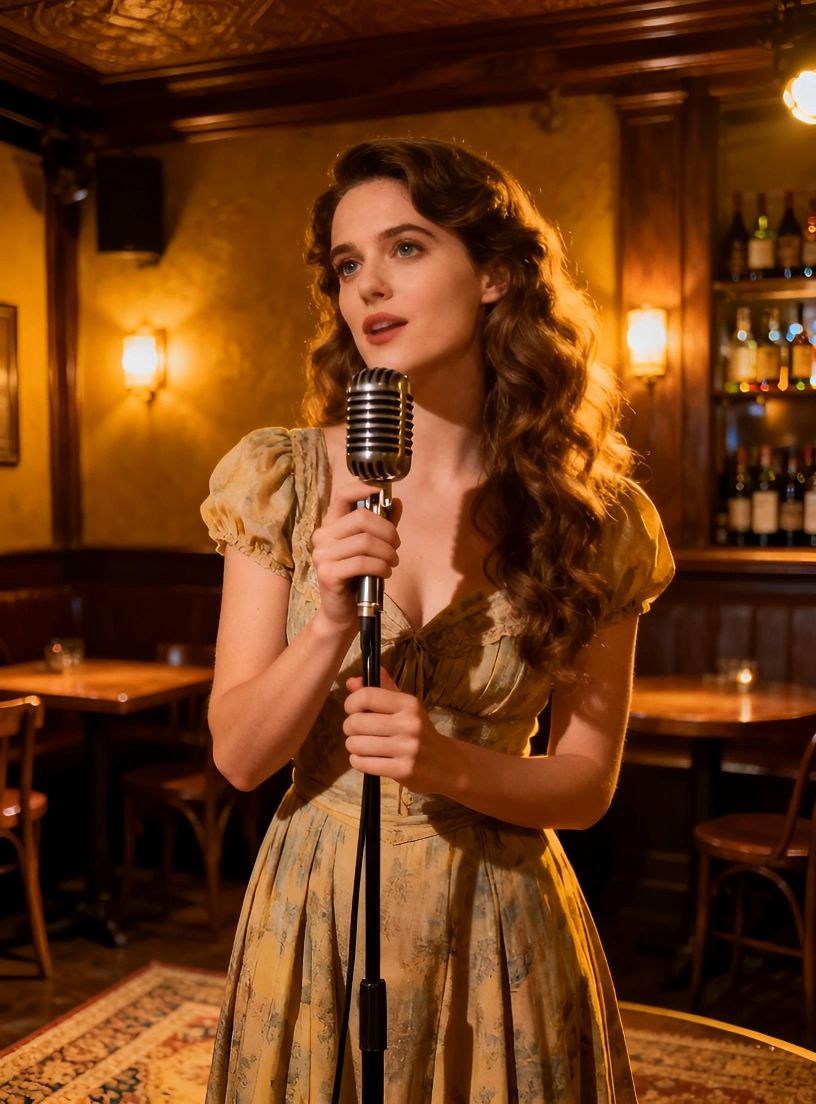  |
Review Claims and Disclosure
The character may look consistent and the image may appear polished, but the full message must also be accurate. Reviewers should consider the caption, on-screen text, dialogue, product placement, body language, sponsorship labels, and call to action together.
A consistent character cannot make an unsupported demonstration acceptable. The review should focus on what a viewer is likely to understand, not only on the literal wording used in the caption.
Review the Commercial Meaning
Campaign Element | Risk to Check | Approval Evidence |
Persona Identity | Viewers could mistake the character for a real person | Disclosure language and profile context are visible. |
Product Appearance | Packaging, scale, color, or use is inaccurate | The asset matches approved product references. |
Experience Claim | The character implies personal use or a physical result | Copy describes only substantiated product information. |
Sponsorship | The commercial relationship is hidden | Placement-specific disclosure is included before publishing. |
Audience Reply | The persona gives risky or misleading advice | Escalation rules identify questions that require a human response. |
Visual implication matters as much as written copy. The way the character behaves, handles the product, or appears in a scene may create a commercial claim even when the caption does not state one directly.
Campaign Examples
A skincare brand could use a consistent virtual model to demonstrate the order of a routine. The character may show how each product fits into the sequence, but the copy should not claim that the persona personally used the product or achieved a real physical result.
A software company might use a fictional expert host to explain one feature or workflow at a time. In this case, the value comes from making the product easier to understand rather than making the character the main attraction.
A fashion label could use a virtual stylist to test outfit concepts, seasonal looks, or campaign directions before arranging a physical shoot.
A travel brand might create destination-inspired mood clips, but practical information such as prices, availability, transport, access, and safety should still come from verified sources
Build Campaigns Around the Offer
AI influencer marketing should begin with the offer rather than the avatar. A synthetic character can introduce a product, explain a routine, model an outfit, or answer audience questions, but the audience still needs a clear reason to care.
The most useful campaign roles often include:
● A product educator for complex features
● A virtual stylist or model for fashion and beauty
● A fictional host for tutorials and explainers
● A recurring brand character for social content
● A scenario-based persona that demonstrates a use case without pretending to be a real customer
The persona should strengthen the message rather than exist only as a visual device.
| Prompt | Image | Output |
| By the window of a Parisian apartment, with soft French piano BGM in the background, the gilded afternoon sunlight filters through the shutters onto the perfume bottle, casting dappled light and shadow. The camera pans slowly in from the scattered rose petals, shifting focus to the faceted cut of the Kling perfume bottle. Voiceover (lazy French female voice, British accent, slow pace): Bathe in the golden hour. The camera orbits the perfume bottle in slow motion, capturing the play of light and shadow on the golden lettering and bottle body. Voiceover: Kling, a whisper of Parisian elegance. The camera pulls back and freezes on the complete scene—the Kling perfume bottle standing on a velvet pedestal, with Parisian buildings faintly visible outside the window. Voiceover: Wrap yourself in luxury with every breath. |  |  |
Keep Disclosure and Claims Clean
Synthetic content should not imply real personal experience where none exists. A virtual model can demonstrate a skincare routine visually, but copy should not claim the character personally used the product. A fictional travel host can present destination ideas, but prices, access, and safety details still need real verification. A good influencer campaign protects trust while using creative flexibility.
Choose Products That Fit the Character
Not every product fits an influencer campaign. The best matches are products that can be shown visually, explained clearly, or placed inside repeatable scenarios. Fashion, beauty, apps, games, travel concepts, home goods, and education products often work because the content can show use cases.
Avoid forcing a synthetic character into sensitive claims or fake personal stories. The campaign should make the product easier to understand, not pretend the character had real experiences.
Make the Story Repeatable
The best influencer campaign campaigns can repeat without feeling copied. A virtual stylist can build outfits every week. A virtual tutor can answer one beginner question per post. A virtual product host can show one use case at a time.
Repeatable story formats help audiences know what to expect. They also make campaign production more efficient because the team is not reinventing the concept for every post.
Plan the Persona Like Media
An AI influencer campaign needs the same discipline as a recurring media property. The persona should have a content lane, visual rules, tone, recurring formats, topics to avoid, and approval standards. Without those rules, each new image or clip may look polished while pulling the campaign in a different direction.
Brands should also define how the persona handles comments and questions. A synthetic character can introduce an offer, explain a use case, or model a product, but a real team should decide how to answer objections, complaints, and sensitive claims.
For campaign planning, write three sample posts before generating a full asset set. One should educate, one should demonstrate, and one should respond to a likely audience question. If the persona cannot carry those three jobs clearly, the campaign needs a sharper role before production scales.
For campaign work, use Kling AI to test character visuals or short scenes only after the offer and disclosure language are clear.
FAQs
When Should Brands Use AI Influencer Marketing?
Brands should use an influencer campaign when a synthetic character can explain, demonstrate, or dramatize an offer better than a standard ad. It can work for fashion, beauty, software, travel, education, and entertainment. The campaign still needs a clear audience, honest disclosure, product truth, and a reason the character matters. The persona should have a campaign job beyond attracting initial attention.
How Is an AI Influencer Campaign Planned?
Plan the campaign by defining the audience, offer, character, content pillars, platforms, disclosure language, review steps, and success metrics. Then produce assets that support one measurable goal, such as awareness, qualified traffic, product education, or social engagement. An influencer campaign should be treated as strategy, not just image generation. Every production stage should connect back to the approved offer and metric.
What Should an AI Influencer Disclose?
Disclosure should make it clear when a persona is synthetic, fictional, brand-controlled, or involved in paid promotion. Requirements vary by platform and market, so teams should review applicable rules before publishing. Even when a rule is unclear, transparent labeling protects trust and reduces the chance that audiences feel tricked. Disclosure must remain visible in the placement where the audience sees it.
Can AI Influencers Show Products?
AI influencers can show products, but the content should not imply real use, personal experience, or physical results that never happened. Product visuals must be accurate enough for the claim being made. For beauty, health, finance, or performance products, approval checks should be stricter because misleading impressions can create real harm. Visual storytelling cannot substitute for evidence behind a commercial promise.
How Do You Measure Campaign Success?
Measure qualified clicks, saves, comments, watch time, conversion rate, sentiment, cost per result, and whether the campaign improves understanding of the offer. Vanity likes are not enough. A synthetic character is valuable only if it supports a business outcome while keeping audience trust intact. Compare performance with a suitable baseline, not with vanity engagement alone.