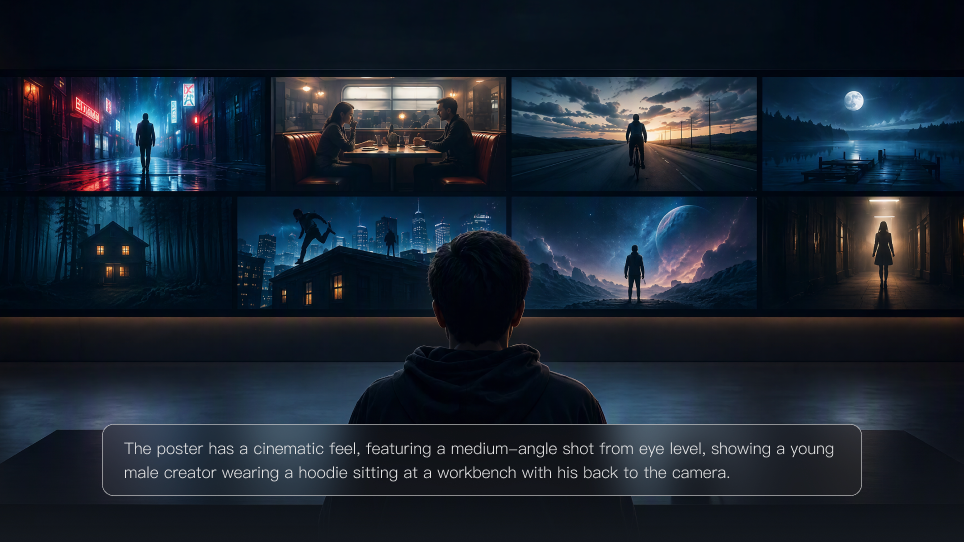
A good short film can start with very little: one room, an unanswered message, a strange object, or two people who want different things.
What matters is whether the idea creates enough tension or curiosity to carry a few minutes on screen. The best short film ideas are often the ones you can actually finish, using locations, performers, props, and time you already have.
What Makes a Short Film Idea Easy to Shoot?
Before writing ten pages of script, look at what the idea asks you to produce.
A contained short usually becomes easier to manage when there is one central situation, a small cast, and only a few locations. For a first project, keeping the story to several focused minutes can also make it easier to spend time on performance, sound, lighting, and editing instead of spreading the production too thin.
The Academy defines a short film as an original motion picture running 40 minutes or less, including credits, but that is an eligibility definition rather than a recommended target for a beginner production.
Before committing to an idea, ask yourself:
- Can I explain what happens in one or two sentences?
- Do I already have access to the main location?
- Can I realistically cast everyone the story needs?
- Is there one discovery, decision, reversal, or reveal that changes the situation?
- Can the ending be shown rather than explained?
- Is the hardest shot still achievable with the time and tools available?
If almost everything is practical except one difficult image, test that image before building the whole script around it.
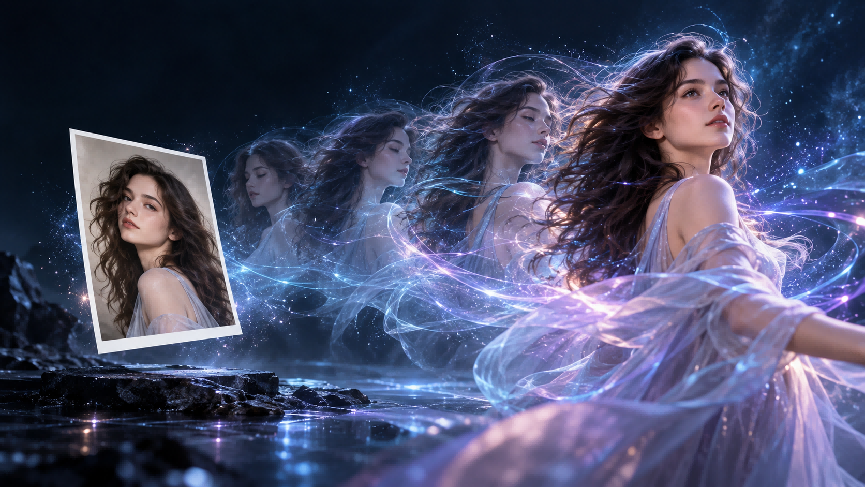
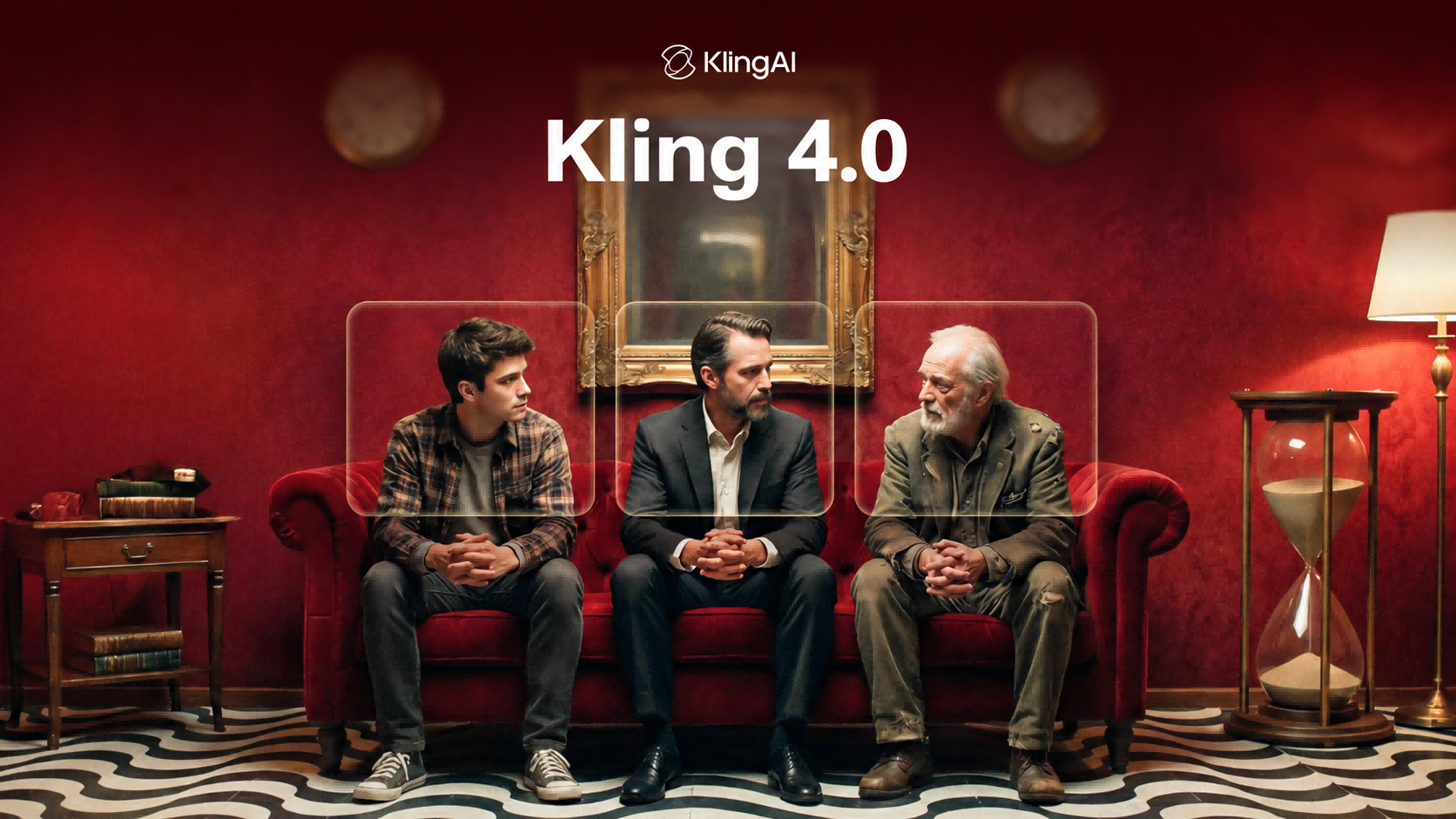
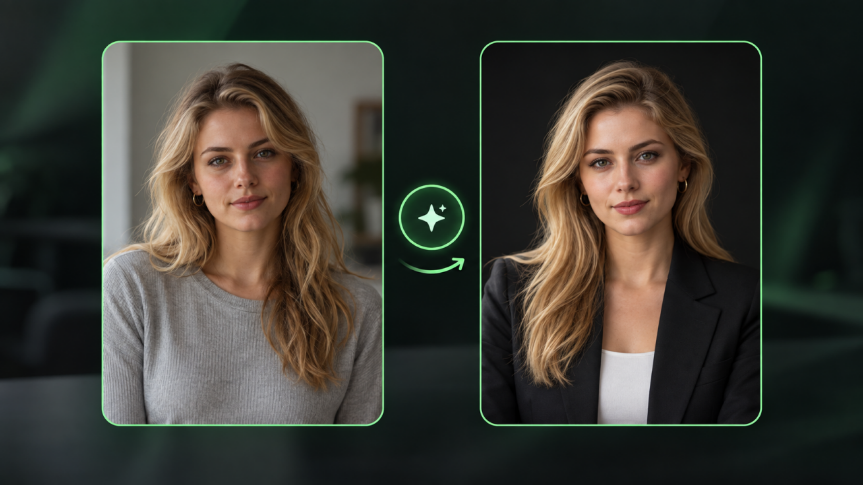
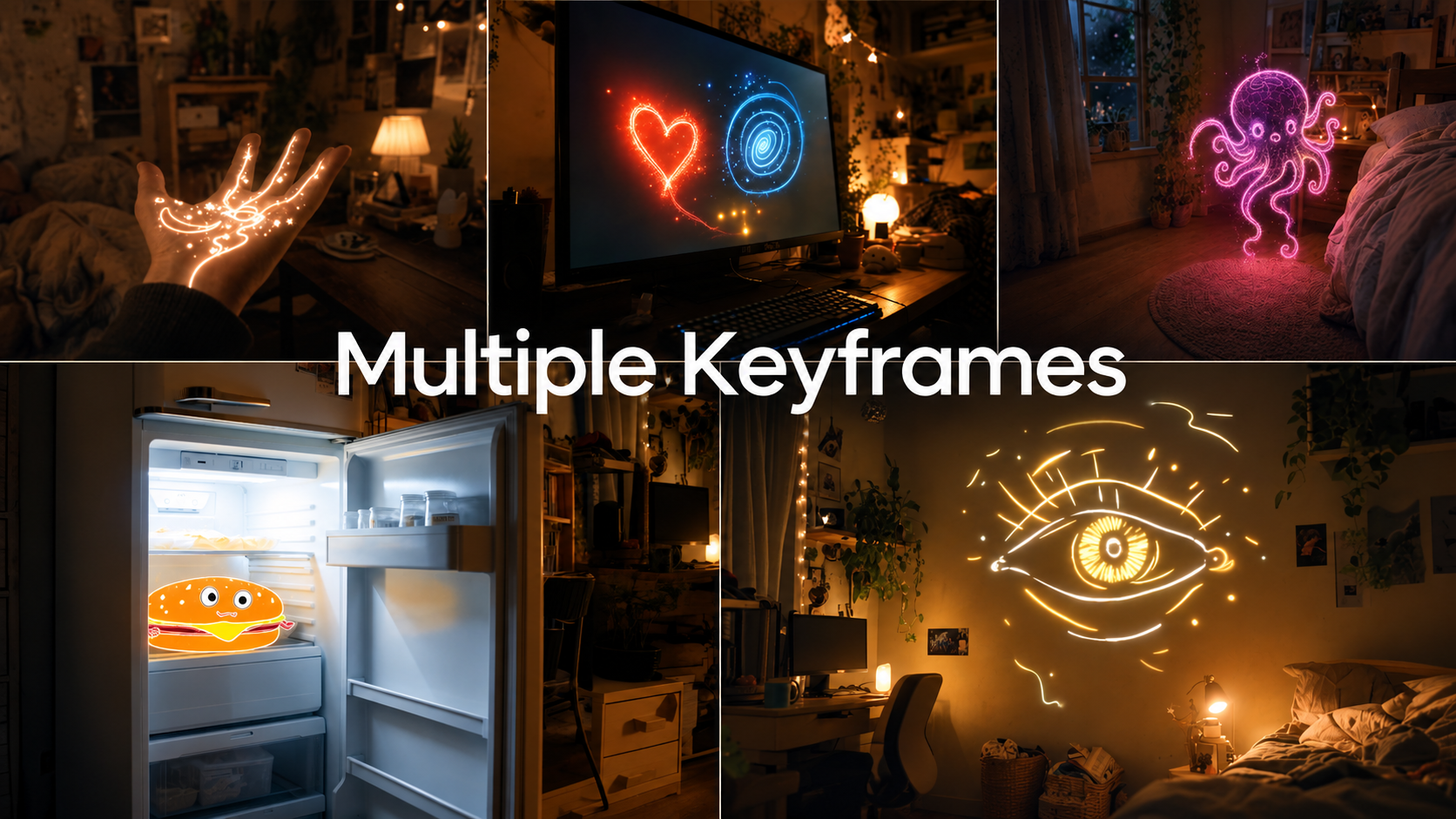
The Kling AI Video Generator can generate video from text or a reference image. Its current VIDEO 3.0 experience supports Multi-Shot generation, native audio, lip sync, element references, flexible duration, and video generation up to 15 seconds. These are useful for prototyping a visual, otherwise you need to generate the entire short. Sometimes it is more useful to test the one shot you are least certain about and decide whether it belongs in the film at all.
24 Short Film Ideas You Can Shoott With a Small Crew
One Actor, One Room
- The Unsent Message. A student records the same apology repeatedly. Each playback contains one sentence they never said, and the new sentence becomes more specific.
- The Wrong Reflection. A mirror image falls half a second behind, then points toward a drawer the character has refused to open.
- Five More Minutes. A phone timer restores the previous five minutes, but every reset removes one detail from a treasured photograph.
- The Interview Light. During a remote job interview, a desk lamp turns red whenever the applicant lies. The interviewer cannot see the light.
- The Borrowed Coat. Receipts and notes in a thrifted coat reveal its former owner planned to disappear that night. One phone number remains unanswered.
- Room Tone. A sound editor records silence at home and hears a calm voice describing what they will do next.
Two Actors With Built In Conflict
- The Saved Seat. Two strangers claim the same empty chair because the same missing person promised to meet each of them there.
- Quiet Hours. A neighbor complains about loud music. The tenant hears nothing, but both discover the rhythm matches a warning signal in the building.
- The Returned Package. Two neighbors receive each other’s boxes. Each is desperate to recover one box without revealing why.
- The Exit Interview. A manager prepares to fire an employee, while the employee prepares to expose why the entire office will close tomorrow.
- The Favor. A friend arrives to help move one heavy trunk. The owner keeps changing the destination each time a new sound comes from inside.
- The Last Slice. Two roommates use the final slice of cake as leverage during a serious argument, until they realize neither bought the cake.
Visual Stories With Little Dialogue
- The Red Thread. A thread appears under a door and leads through an apartment to a wrapped gift the character hid years earlier.
- One Minute Late. Two people repeatedly miss each other in the same hallway. Small changes in props reveal months passing until one finally waits.
- Color Returns. A gray room gains one color each time its owner resumes an abandoned creative habit. The last color appears outside the window.
- The Moving Mug. A mug changes position after every cut. Its path eventually forms an arrow toward a loose floorboard.
Horror and Science Fiction Using Ordinary Props
- One Percent. A phone receives messages from its owner ten minutes in the future. The final warning says not to charge it.
- The Empty Square. A video call adds a blank participant who types private memories into the chat and slowly activates a camera.
- The Key Test. An old key opens every lock in the apartment except one. That locked cabinet begins knocking back.
- Night Shift Checklist. A worker completes routine closing tasks, but the printed list gains a new instruction after every item.
- The Updating Photo. A printed group photo changes whenever someone leaves the room. Eventually it shows one person who was never present.
- Weather Inside. Rain is heard in one dry room. Wet footprints appear only when the character closes their eyes.
Small Documentary Ideas
- One Object, Three Generations. Ask three relatives what the same family object means to them, then let their conflicting memories shape the story.
- The Last Hour Before Opening. Follow a cook, barber, baker, or shop owner through the quiet preparation that customers never see.
Turn One Idea Into a Short Film
Build the film around four beats. Establish the person and goal in the first 30 seconds. Increase pressure until about two minutes and 30 seconds. Force a choice by four minutes. Use the final minute for the consequence and closing image.
Then make the production smaller in this order:
- Write the final image first. It tells you what the opening must set up.
- Remove any character who only delivers information. Move that information into an action, prop, message, or change in the setting.
- Limit the shot list to the coverage you need. A useful first plan often has one wide shot, a few medium shots, decisive close shots, inserts, and one clean ending.
- Protect sound. Record dialogue close to the actor, capture at least 30 seconds of room tone, and avoid locations you cannot quiet.
- Use only music you created, licensed, or can legally use. Copyright also covers music, sound recordings, scripts, and motion pictures.
- For a generated insert, create the shortest useful clip in Kling AI, test it beside your live footage, and check subject scale, direction, lighting, and eyeline before generating more. Start and end frame controls or Elements can help preserve visual continuity between shots.
Prompt | Output |
|---|---|
| This is a 15-second cinematic long take, a single unbroken shot with no edited transitions. The scene is set inside a tower of plaster statues dappled with light and shadow, surrounded by towering white plaster sculptures, evoking an air of mystery and oppression. The shot opens with the protagonist skidding to a halt at the center of the scene after a frantic run, chest heaving, expression dazed and helpless, fear glinting in their eyes. The camera orbits the protagonist in a smooth 360-degree pan. As the camera rotates, the protagonist glances anxiously around and shouts: "Alex! Alex where are you! Are you here?" A cute dinosaur cry then echoes in the background, and the camera pushes in over the protagonist’s shoulder to their back— a small to medium-sized, adorable baby dinosaur steps out from behind a plaster pillar, letting out a sweet chirp. Startled by the sound, the protagonist whips around; catching sight of the dinosaur, they burst into tears instantly and rush forward without hesitation to clasp it tightly in their arms. The dinosaur nestles obediently against them. Sobbing, the protagonist strokes the dinosaur gently and trembles: "I found you! Thank God, I’m so scared!" The overall lighting and shadow boast a cinematic texture, with the emotion shifting from despair to an overwhelmingly touching reunion. | 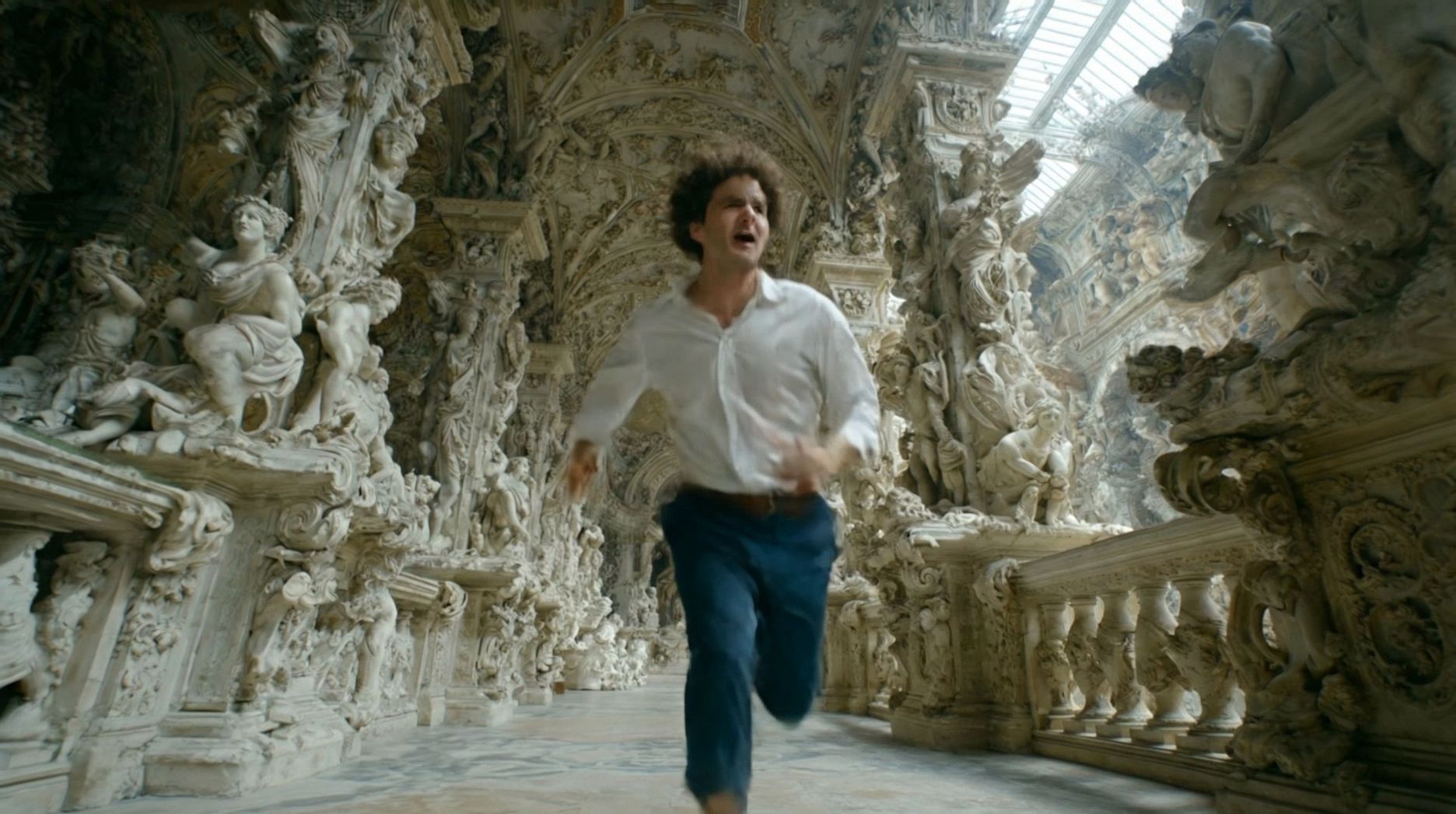  |
Choose the Best Idea in 10 Minutes
Score one point for each true statement: the location is confirmed, the cast is confirmed, the central prop is ready, the ending can be described in one image, the shoot fits one day, and the sound can be controlled. A score of five or six means proceed. Three or four means simplify. Two or less means save the concept for later.
Make the Smallest Story With the Strongest Change
Choose the premise you can finish well, not the one that sounds most expensive. One urgent goal, one escalating obstacle, and one meaningful decision are enough. Strong short film ideas turn limits into structure and leave the audience with a final image that changes how the opening is understood.
Open Kling AI and turn your chosen concept into a visual test today.
FAQs
Q1. What Makes a Good Short Film Idea?
A good idea has a clear protagonist, goal, obstacle, and change that can be shown quickly. It also fits the locations, cast, props, effects, and time you can secure. If the complete premise takes more than one sentence to explain, narrow the time window or remove a plot line.
Q2. What Are Some Easy Short Film Ideas for Beginners?
Beginner-friendly ideas often work with one or two actors, one controllable location, and a simple visual or dramatic rule.
A repeated phone call, an object that changes position, two people waiting for the same person, a strange message, a silent routine, or a documentary about one person at work can all become short films without requiring a large crew.
Q3. How Long Should a Beginner’s Short Film Be?
Aim for two to seven minutes. That length is enough for a setup, escalation, choice, and payoff, but short enough to shoot and edit carefully. A rough screenplay estimate is about one page per minute, although action, silence, and editing rhythm can change the final runtime.
Q4. How Can I Make a Short Film With No Budget?
Write around a free location, people who agree to participate, props you own, daylight, and a phone or camera you already have. Spend effort on planning and clean sound. Confirm permission for the location and use original, licensed, or legally available music and images.
Q5. Can One Person Make a Short Film Alone?
Yes. Choose a story with one visible character, lock the camera on a stable support, record sound near the actor, and design actions that do not require complex focus changes. Voice messages, reflections, screens, and offscreen sounds can imply other characters without adding a crew.
Q6. How Do I Turn an Idea Into a Short Film Script?
Start with the situation and ending rather than immediately writing dialogue.
Write a one-sentence premise, decide what changes by the final image, and outline the few moments required to get there. Draft only scenes that reveal something, increase pressure, force a decision, or show its consequence.
A rough “one screenplay page equals about one screen minute” estimate is often used as a planning shorthand, but dialogue density, action, silence, and editing style can make the finished runtime shorter or longer.
Q7. Can AI Help Me Make a Short Film?
AI video can help with concept development, previsualization, generated inserts, transitions, or scenes that would be difficult to shoot practically.
Kling VIDEO 3.0 supports text-to-video, image-to-video, Start & End Frames, Native Audio, Multi-Shot, Element references, and generation up to 15 seconds, so it is better suited to creating and testing individual shots or short sequences than treating an entire film as one generation.