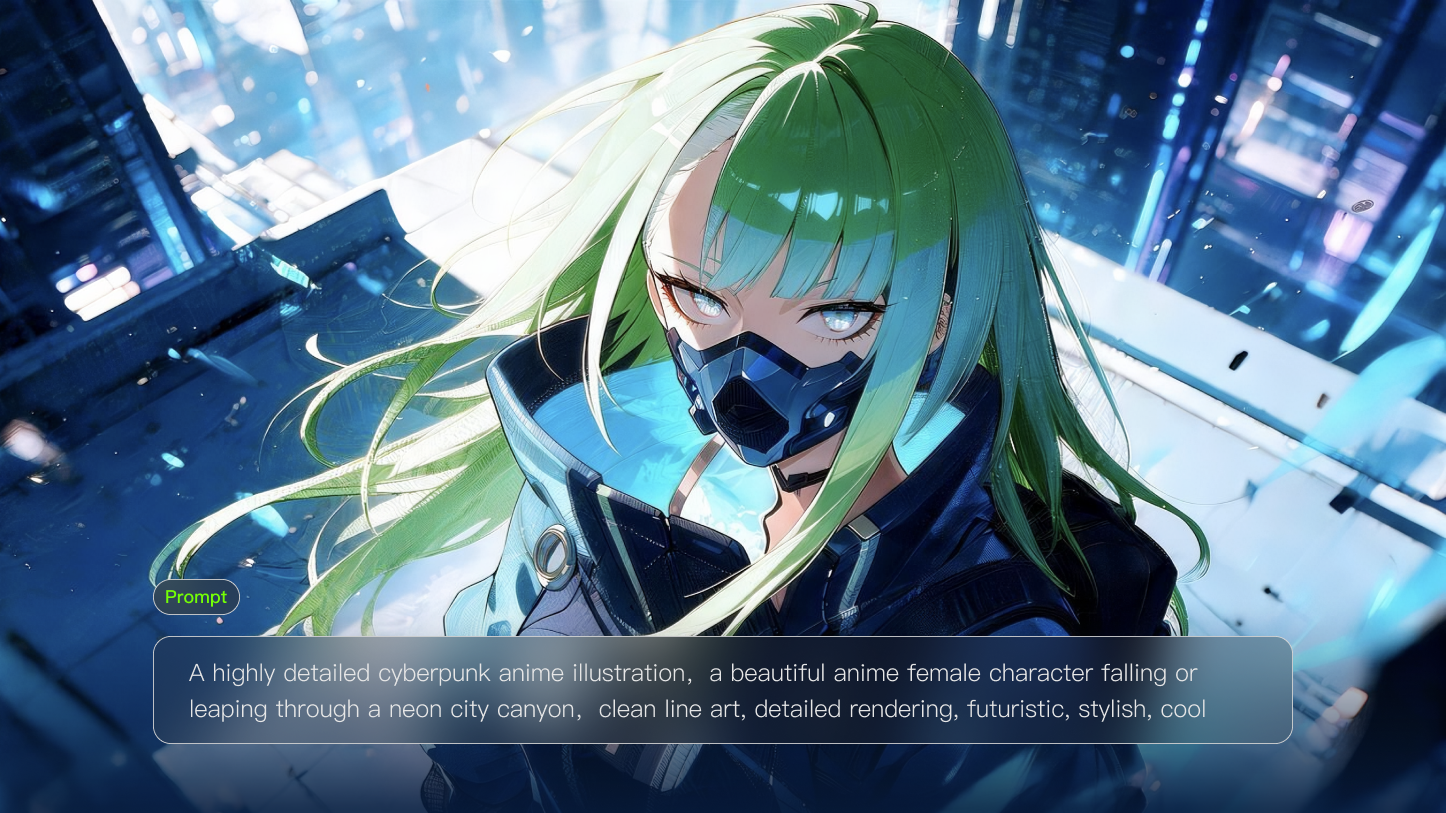
Good anime art style prompts for ai describe an original character, a clear scene, and a visual mood without leaning on copied names. The charm comes from expressive poses, clean composition, lighting, wardrobe, and emotion. Specific details make the image feel designed instead of generic.
Build Anime Prompts Around Character and Mood
Anime-inspired prompts need more than a style label. Creators searching for anime art style prompts for ai need character, emotion, composition, and scene details that create an original image instead of a vague imitation.
Anime Prompt Filters
● Use an original character instead of a protected name.
● Name the pose, expression, setting, and camera angle.
● Choose lighting that supports the emotion.
● Add wardrobe and props only when they explain the character.
● Keep style language clear enough to repeat.
● Avoid mixing too many moods, eras, or genres in one prompt.
The best anime prompts feel directed. A reader should be able to imagine the frame before the image exists.
20 Anime Art Style Prompts for AI
Each prompt below should be treated as a scene seed. The character, camera, mood, and setting should work together before extra style words are added.
Character-Driven Anime Prompts
● hopeful student on rooftop at sunset, soft rim light, clean line art
● space pilot inside cockpit, glowing panels, determined expression
● quiet bookstore aisle, rainy window, warm indoor light
● fantasy healer in forest shrine, teal lanterns, gentle smile
● cyberpunk courier under neon signs, reflective jacket, dynamic angle
● sports captain tying shoes before final match, dramatic close-up
● slice-of-life kitchen scene, siblings making breakfast, pastel palette
● magical academy courtyard, floating books, early morning haze
● samurai traveler crossing snowy bridge, restrained color palette
● idol rehearsal room, mirror reflections, energetic pose
World and Story Anime Prompts
● mecha mechanic repairing shoulder plate, sparks, industrial background
● small town festival, paper lanterns, crowded street, joyful mood
● underwater city explorer, glass helmet, bioluminescent fish
● detective in train station, long coat, hard side light
● desert mage with wind-blown scarf, wide cinematic frame
● robot companion in flower field, child points at clouds
● tea shop owner feeding stray cat, cozy evening light
● rival duel before sunrise, still poses, tense atmosphere
● library guardian spirit, translucent sleeves, dust particles
● school club poster scene, friends planning event, bright colors
Do not overload the prompt list with unrelated aesthetics. Pick a character direction, test several scenes, and keep the details that make the image feel intentional.
Kling AI can support anime-inspired planning when the character and scene are original. Use Kling IMAGE 3.0 reference images and local re-editing to refine the look before adding motion. That keeps the prompt focused on designed traits, mood, and composition rather than copied character names.
Reference Image | Prompt | Output | |
|---|---|---|---|
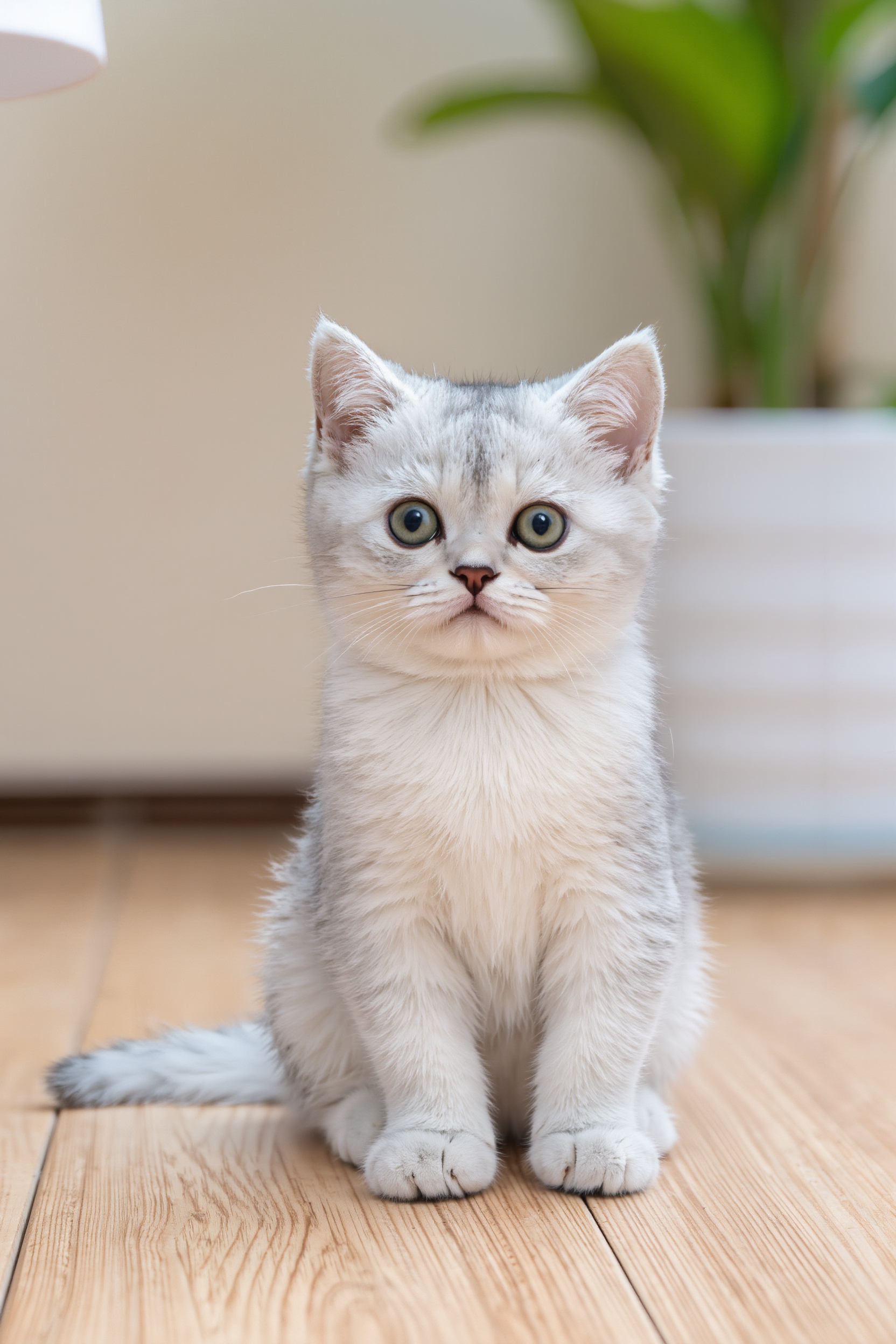 | 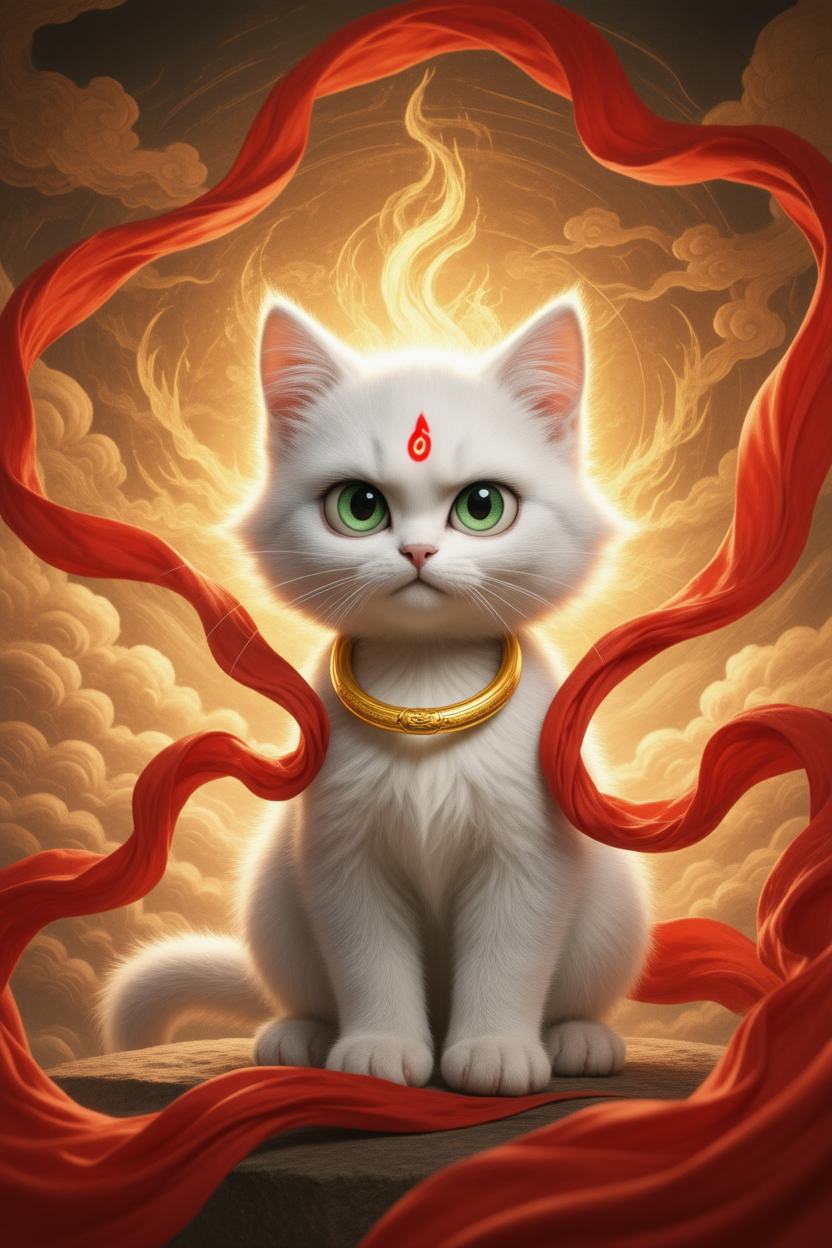 | Keep the cat's fur color and transform it into a character inspired by Nezha. | 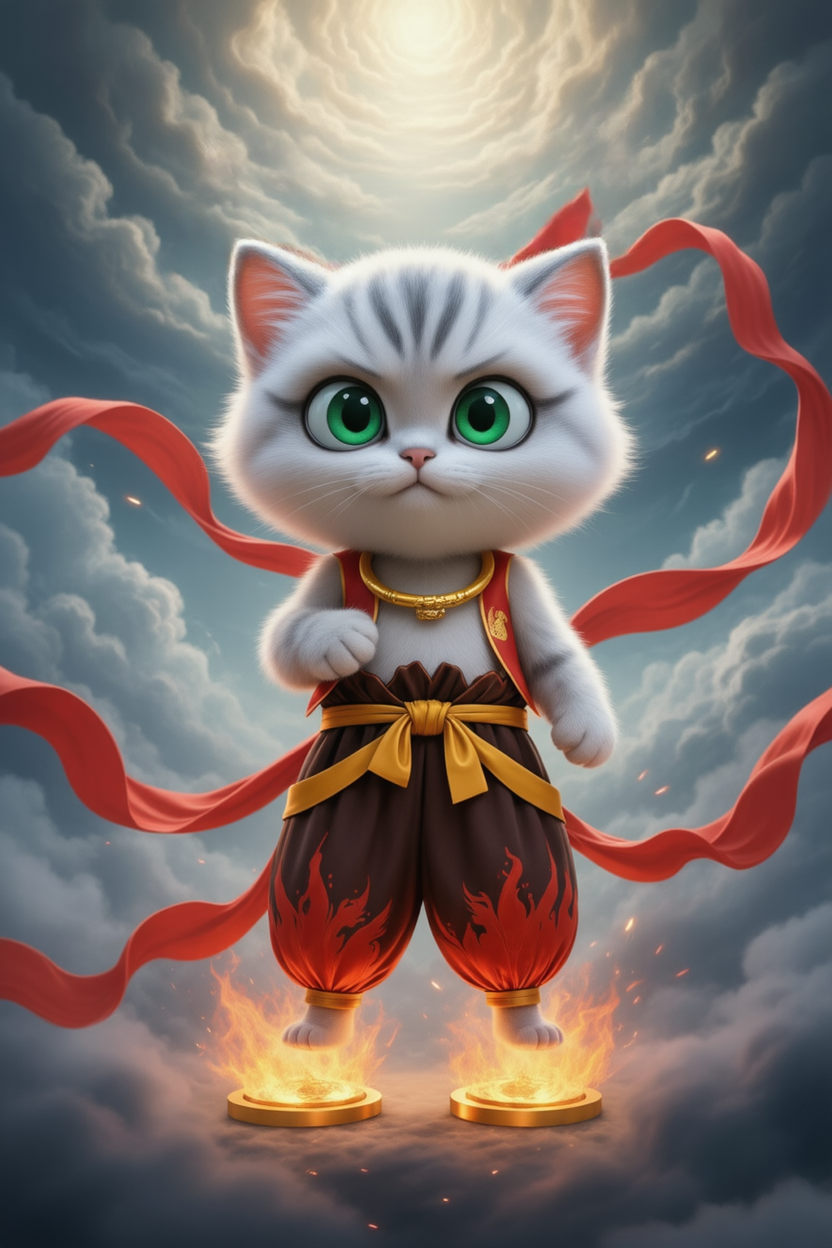 |
Turn Anime Prompts Into Finished Scenes
An anime prompt becomes stronger when it reads like a scene direction. Define the character, emotional beat, setting, camera, lighting, and style before adding decorative details.
Scene Element | What to Decide | Why It Helps |
Character | Who is in the frame? | Prevents generic figures. |
Emotion | What are they feeling? | Guides pose and expression. |
Setting | Where is the moment happening? | Gives the image context. |
Camera | How close is the viewer? | Controls drama and composition. |
Light | What mood does the scene need? | Makes the style feel intentional. |
Use anime style prompts as scene starters, then revise by changing one element at a time. The best results come from direction, not from stacking style words.
Describe Original Characters Clearly
Strong anime art style prompts should describe an original character instead of leaning on famous names. Focus on age range, outfit, expression, pose, environment, color palette, and emotional tone. This keeps the result more flexible and avoids copying protected characters.
Character Details That Help
● Hair shape, outfit layers, and accessories.
● Facial expression and body posture.
● Setting, weather, and time of day.
● Color palette and lighting direction.
● Camera distance, such as close-up, medium shot, or wide frame.
Reference Image | Prompt | Output |
|---|---|---|
| A chibi anthropomorphic cat from the image, referencing its fur and features, posing as the Statue of Liberty, wearing a light green robe, crown with spikes, eyes covered with a light green cloth. Right paw holds a mint ice cream cone high, left paw hugs a green cartoon fish. Expression satisfied, background bright blue sky, medium shot. | 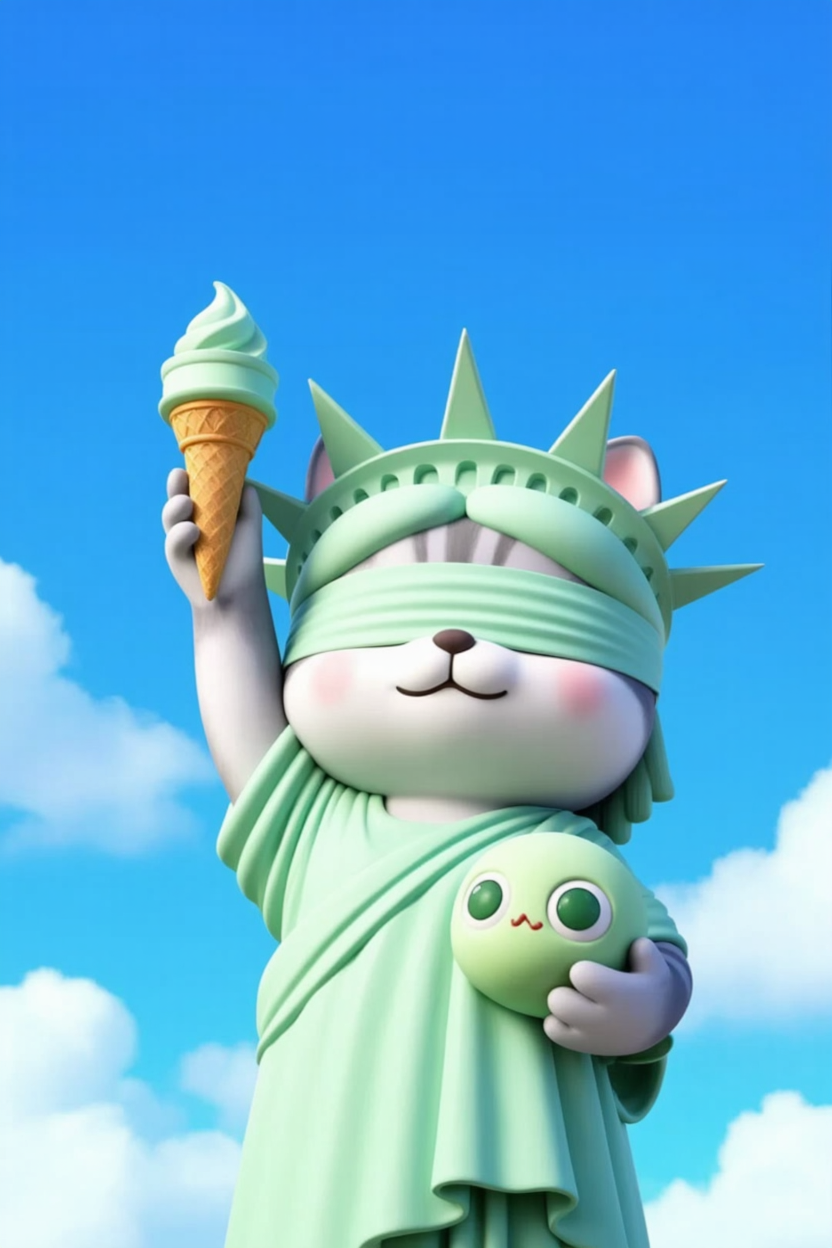 |
Match Style to Story Mood
Anime-inspired images work best when the style supports the scene. A school rooftop scene might use warm sunset light and soft line art. A cyberpunk courier scene might use hard shadows, neon reflections, and a dynamic angle. A quiet bookstore scene might use muted colors and gentle expressions. Good anime art style prompts for ai make the mood clear before adding decoration.
Build the Scene Around Emotion
Anime-inspired images often work because the emotion is readable. A character standing on a rooftop can feel hopeful, lonely, nervous, or triumphant depending on posture, light, weather, and camera distance. Name that emotion in the prompt before adding decorative details.
A prompt for a quiet scene might use soft light, still posture, warm colors, and a close frame. A battle scene might use strong diagonals, wind, dust, and a wide frame. A school comedy scene might use bright colors, expressive gestures, and a busier background.
Strong these anime prompt ideas do not just describe how the image looks. They describe what the viewer should feel when seeing the character in that moment.
Use Camera Language
Anime prompts improve when they use camera language. A close-up emphasizes emotion. A low angle makes a character feel powerful. A wide shot shows the world around the character. A three-quarter view can make costume and pose easier to read.
For these anime prompt ideas, camera direction prevents flat character sheets when the goal is a scene. Pair the camera with emotion: close-up for hesitation, wide shot for loneliness, low angle for confidence, and over-the-shoulder for mystery. This makes the image feel composed instead of merely styled.
Avoid Overloaded Prompts
Too many style words can fight each other. A prompt that asks for soft watercolor, neon cyberpunk, cinematic realism, and flat vector design is likely to confuse the result. Strong these anime prompt ideas choose one main style direction, then support it with character, setting, emotion, and camera details.
Keep Hands and Props Simple
Complex hand poses, weapons, instruments, and layered accessories can create errors. If the character matters most, keep props simple at first. Add more detail after the pose, expression, and scene already work.
Direct Emotion Before Style
Anime-inspired images become stronger when the prompt decides the emotional beat before adding visual decoration. A lonely character on a wide snowy bridge needs different camera distance, lighting, and posture than a confident pilot inside a bright cockpit. The style supports that beat.
This also prevents the image from becoming a generic character sheet. When emotion leads the prompt, the background, pose, and composition all have a reason to exist.
Use Kling AI to refine original character scenes after the prompt describes identity, setting, emotion, and composition clearly.
FAQs
How Do I Write an Anime-Style AI Prompt?
Start with an original character, then add setting, pose, lighting, emotion, wardrobe, composition, and line style. Avoid leaning on protected character names as shortcuts. Strong these anime prompt ideas create a new scene that feels intentional, with clear visual choices instead of a borrowed identity. That keeps the answer tied to a real anime prompts decision.
Can I Mention Famous Anime Characters?
It is safer to describe visual qualities without copying a famous character. Use terms like expressive eyes, clean line art, dramatic rim light, school rooftop, or cyberpunk city instead of naming a protected character. This keeps the work more original and gives the model clearer design direction. That gives beginners a clearer next step for anime-style prompting.
What Details Matter Most for Anime Images?
Character pose, facial expression, costume, lighting, background, and emotional tone matter most. Anime-inspired images can become generic when the prompt only says cute, dramatic, or cinematic. Add concrete choices: a rain-soaked train platform, teal lantern light, wind-blown scarf, clenched notebook, or quiet bookstore aisle. That prevents anime-style prompting from turning into vague advice.
How Do I Keep a Character Consistent?
Keep a character consistent by documenting hair, eye color, outfit logic, personality, palette, pose habits, and recurring environments. Use reference images when the tool supports them. Change only one major element per generation. If the hairstyle, face, and costume all change together, the character will feel like a new person.
What Are Anime Prompts Best Used For?
Anime prompts work well for original character concepts, story scenes, social banners, game mood boards, comic planning, profile art, and visual worldbuilding. They are less useful when the project needs exact brand realism or factual illustration. Match the style to emotion, not just trend appeal. That keeps the result useful instead of merely polished.