Sports fans love high-energy highlights. Capturing the perfect swing or a dramatic slide used to require expensive equipment and elite editing skills. Today, advanced generative systems allow anyone to produce spectacular stadium sequences.
Creators Can Design Spectacular Action Sequences
The process of generating believable sports clips relies on precise descriptions of athletic movements. Combining specific terms yields realistic visual outputs.
To construct a high-impact generation, a creator must establish the core focal point immediately. Utilizing a specific baseball AI video prompt allows users to guide neural networks toward accurate physics. Describing the athlete's stance, the jersey design, and the exact movement sequence sets a strong foundation. Specifying a pitcher's grip on the ball or a batter's focused gaze helps the model generate correct athletic posture. Beyond the subject, incorporating environmental cues like glowing stadium floodlights, crowded spectator stands, and broadcast scoreboard graphics generates the authentic atmosphere of a professional game. A well-crafted description directs the system to focus on subtle elements like floating dust particles or the texture of the dirt around home plate. These layered descriptions prevent generic outputs, transforming a simple generation into an immersive visual experience.
Prompt Component | Purpose in Generation | Technical Examples |
Action Verbs | Defines physical movement and athletic intensity | Fastball release, sliding into home, swinging bat |
Camera Settings | Controls visual perspective and depth of field | Broadcast camera zoom, shallow depth, panning shot |
Environmental Details | Establishes the setting, lighting, and crowd presence | Stadium floodlights, blurred stands, team jerseys |
On-Screen Overlays | Recreates the authentic televised broadcast aesthetic | Live scoreboard graphics, channel logo, team names |
Adding precise camera directions further elevates the quality of the generated sequence. Rather than letting the model choose arbitrary angles, specifying a broadcast sports camera aesthetic or cinematic handheld zoom forces a television-style presentation. Creators can describe a slow-motion tracking shot that follows the ball as it leaves the bat, or a dramatic low-angle view of a player sliding into second base. Mentioning camera details like a shallow depth of field keeps the focus on the primary action while keeping the background crowd softly blurred. These instructions guide the model to render smooth panning motions and realistic motion blur. Incorporating such parameters yields professional-grade highlights that mimic the excitement of a live sports broadcast, ready for social media distribution.
Korean Baseball | Football Live |
|---|---|
  |  |
Why Did a Virtual Spectator Capture Global Attention?
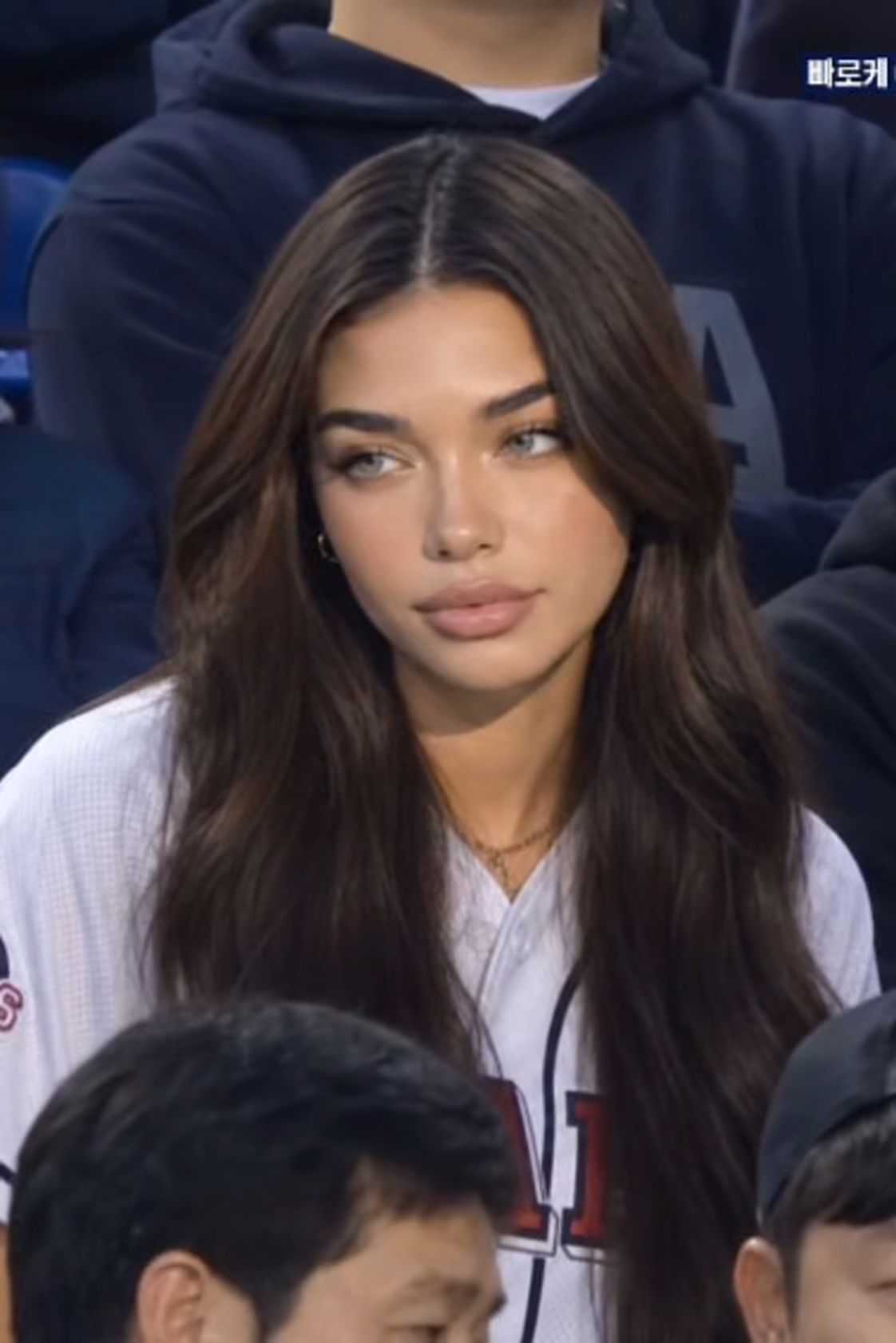
A short video of a beautiful spectator at a Korean baseball game recently went viral across social platforms. Millions of viewers initially believed the synthetic clip represented a real television broadcast.
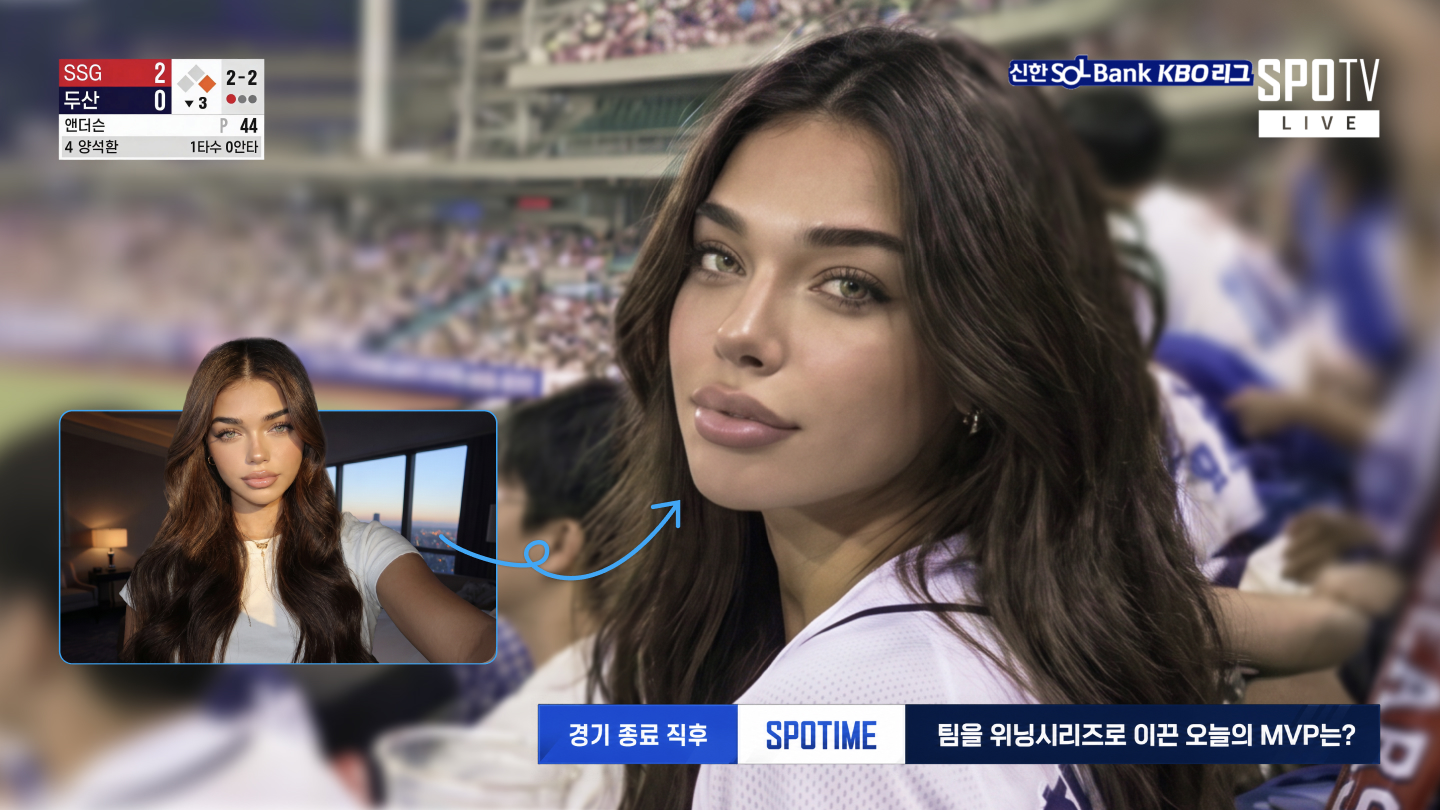
The viral footage featured a young woman wearing a white baseball jersey, apparently caught on a live stadium broadcast camera during an intense game between the Hanwha Eagles and the Doosan Bears. The character appeared highly focused, biting her lip and letting out a realistic sigh. Millions of viewers initially believed the clip was a genuine television broadcast moment, showcasing the incredible realism of modern synthesis. However, experienced baseball fans quickly identified inconsistencies, such as on-screen graphics listing retired players and active coaches playing together in the same era. Additionally, the Korean slogans on stadium banners contained awkward grammatical phrasing, proving the video was synthetic. Despite the revelation, the clip sparked a massive trend across social platforms where users generated versions of themselves inside that exact stadium scene.
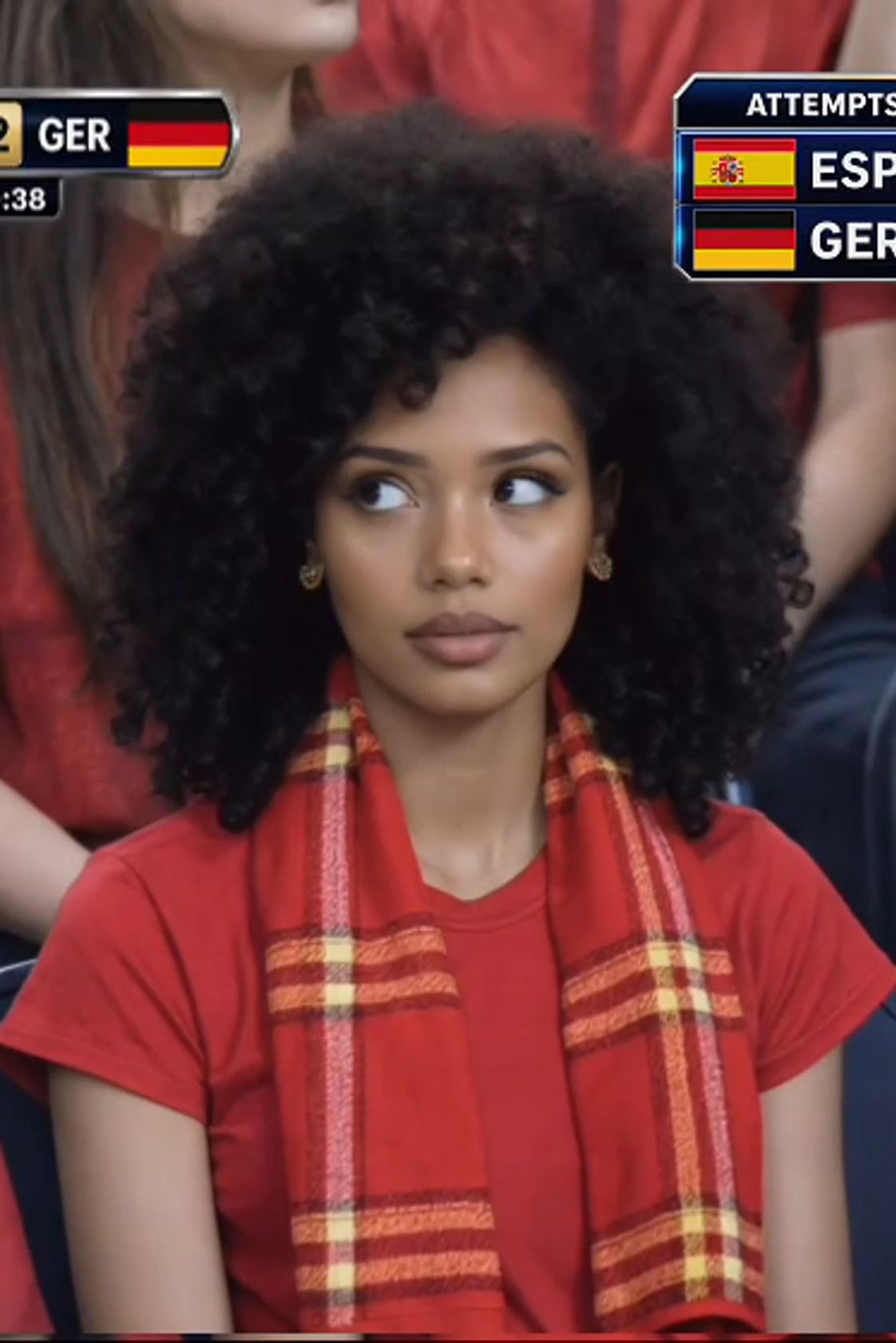
The viral phenomenon highlighted the growing appeal of the Beauty Cut culture, which focuses cameras on attractive fans with expressive reactions. Globally, viewers did not react with outrage; instead, they requested tutorials to recreate the aesthetic. Social media users uploaded personal selfies to generate videos where they appeared to sit in the stands, holding beverages and wearing jerseys while immersed in the roaring crowd. The digital projection of presence became a highly valued social asset on aesthetic-driven platforms. Even when viewers discovered the video was artificial, the seamless integration of stadium graphics and realistic lighting maintained the allure. The trend proved that audiences appreciate highly polished, candid-looking artificial media that fit naturally into sports entertainment culture.
New Creative Effects Enable Custom Fan Content
Following the viral success of the stadium spectator clip, developers introduced new tools to recreate these moments. Creators can now place custom subjects directly inside energetic crowds.
To address the massive demand for sports-themed social content, developers added Korean Baseball-related options under the Creative Effects section of the All Tools menu on the Kling AI platform. Such an addition enables users to generate customized fan cam videos with ease. The tool handles complex environmental variables, blending user-provided faces with realistic 3D spectator stands. The neural network automatically matches stadium lighting, placing realistic shadows across the character's face while maintaining visual consistency with the surrounding crowd. Additionally, creators can select specific team jerseys, such as Doosan Bears designs, to match their preferred aesthetic. Through these special creative effects, independent creators can easily design engaging, high-fidelity sports clips that capture the genuine atmosphere of a live Korean professional baseball game.
The system allows for dynamic interaction between the subject and the virtual camera. A typical generation can feature a stylish young spectator sitting casually in the crowd, looking distracted at first. Suddenly, the character notices the stadium camera pointing at her, causing her eyes to widen in natural surprise before laughing. The model realistically represents cute movements, like forming a finger heart or waving a pink cheering baton toward the lens. Other fans react and move naturally in the background, which adds to the spontaneous viral energy of the clip. The resulting footage looks like an authentic television broadcast capture, providing creators with powerful tools to produce relatable, shareable social media content.
How Do Creators Generate Native 4K Clips?
High definition sports videos require maximum visual clarity to capture fast movements. Cinema-grade output is now achievable directly through advanced generation modes.
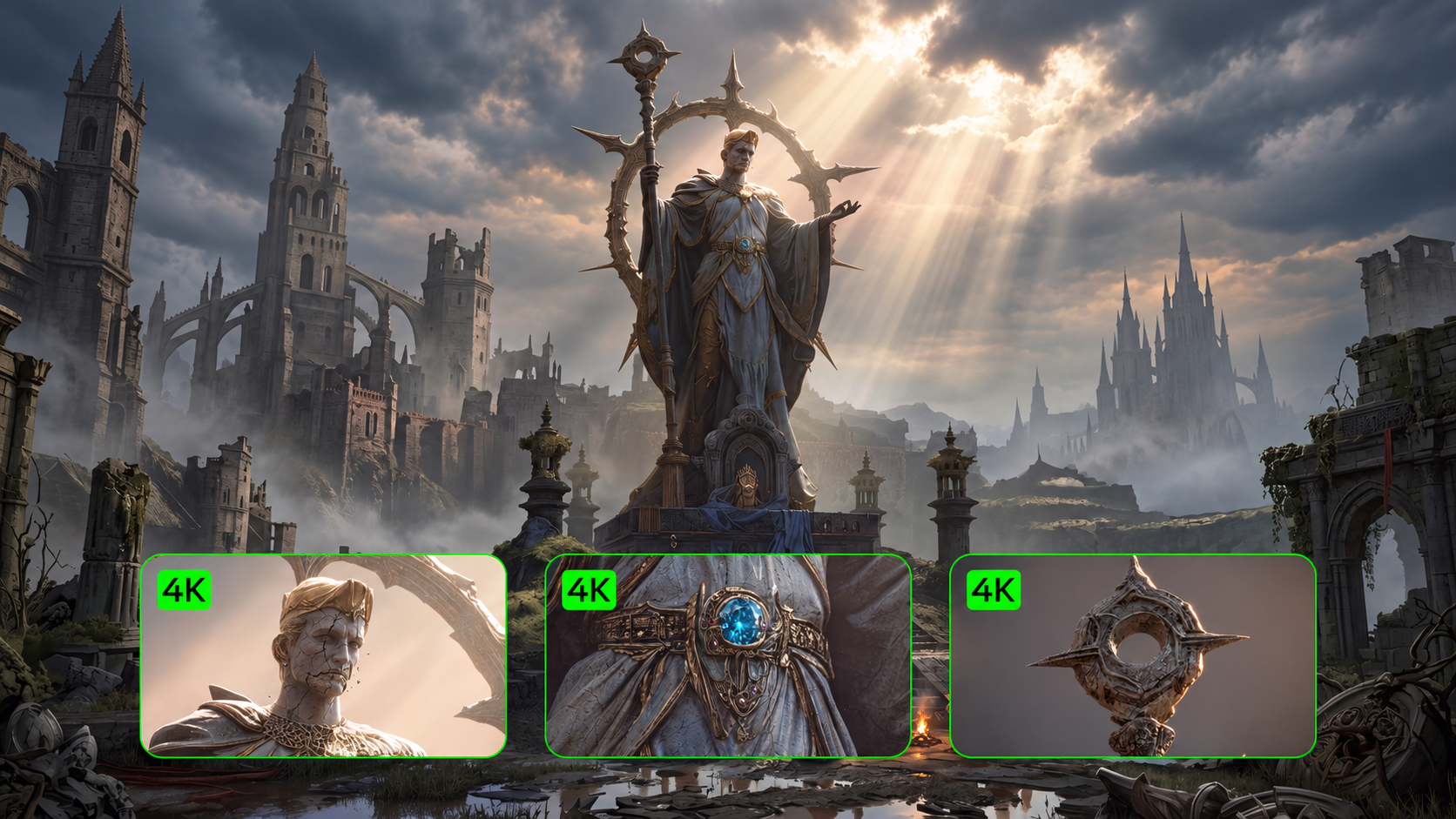
To meet professional standards, Kling AI introduced cinema-grade native 4K video output within its Kling VIDEO 3.0 series, including the VIDEO 3.0 Omni model. The upgrade allows creators to generate high-resolution clips with a single click, providing sharper visuals, richer details, and stunning cinematic textures without complex post-production. The 4K mode preserves faithful skin textures, natural facial expressions, and rich color graduations, yielding a deeper sense of visual dimension. These features are particularly useful when capturing the intense concentration of a pitcher or the joy of a fan in the stands. The model also maintains stable reference consistency during 4K generation, meaning that colors, lighting, and overall mood remain unified with the original source images.
Generating cinema-grade visuals is highly accessible, costing only thirty credits per second of video. Such efficiency allows independent creators to produce film-level works on a reasonable budget. To optimize credit usage, professional creators typically adopt a structured workflow. They generate initial concepts at lower resolutions to test physical movements, camera angles, and text prompt alignment. Once the ideal action sequence is finalized, they switch to 4K mode to produce the final asset. Such an approach combines credit efficiency with industrial-grade quality, providing creators with a reliable path to generate professional sports highlights. The resulting high-definition videos look pristine, whether played on mobile screens or projected onto large stadium displays.
NOTE: Credits, prices, plan benefits, and access rules may change over time. Please refer to Kling's pricing plans for further information
4K Output | |
|---|---|
 |  |
Generate Spectacular Baseball Highlight Clips Today
Crafting realistic stadium highlights no longer requires expensive crews or complex cameras. Advanced neural networks allow creators to translate visual concepts into high-definition realities within seconds. Experience the future of creative sports videography; visit Kling AI now to generate spectacular baseball clips.
FAQs
Q1. Can Artificial Intelligence Generate Realistic Sports Highlight Videos?
Advanced neural networks process detailed textual instructions to simulate physical movements, lighting conditions, and camera angles. Through platforms like Kling AI, creators can specify precise actions and environmental cues to produce television-style sequences.
Q2. What Are the Best Keywords for Sports Highlights?
The most effective descriptions combine precise physical actions, specific camera settings, and background details. Mentioning parameters like stadium floodlights, shallow depth of field, and scoreboard overlays creates an authentic broadcast feel.
Q3. How Do Advanced Models Keep Character Faces Consistent?
Upgraded consistency engines lock unique facial structures and uniform details across multiple scenes. Even during high-speed athletic movements, the model independently tracks characters to prevent unwanted morphing.
Q4. Is Cinema Grade Resolution Possible with Generative Video?
Yes, professional creators can generate native 4K output using the Kling VIDEO 3.0 series. Such high-resolution generation yields realistic skin textures, smooth color transitions, and sharp details.
Q5. What Caused the Korean Baseball Spectator Clip to Go Viral?
A synthetic video showing a highly realistic fan reacting to a game gained millions of views. Kling AI subsequently introduced specialized Korean baseball effects under its Creative Effects tools to let users generate customized fan cam videos.
Bonus: Effective Prompt Examples for Creators
Use the following templates as a starting point for your creative projects:
The Viral Spectator Reaction Prompt
A candid caught on broadcast camera moment at a packed Korean baseball stadium during a night game. A stylish young woman in a white Doosan Bears jersey and navy cap sits casually in the crowd. Suddenly, she notices the stadium camera pointed at her. Her eyes widen in surprise, and she laughs naturally before turning fully toward the lens. Broadcast sports camera aesthetic, authentic live TV feel, shallow depth of field, stadium lights glowing, realistic crowd movement, cinematic handheld zoom, natural skin tones, smooth motion, and realistic live broadcast overlays visible.
The Close Up Stadium Portrait Prompt
Realistic sports broadcast documentary video set in the spectator stands of a Korean professional baseball game. The person wears a baseball team design jersey. The seated posture leans slightly forward with arms naturally close to the sides. Realistic stadium lighting creates shadows while keeping the image natural and believable. The surrounding seats are filled with spectators holding phones and handheld fans. The framing looks like a live TV audience close-up with a baseball scoreboard overlay at the top. Candid feeling, slight motion blur, shallow depth of field, and authentic Korean baseball game atmosphere.