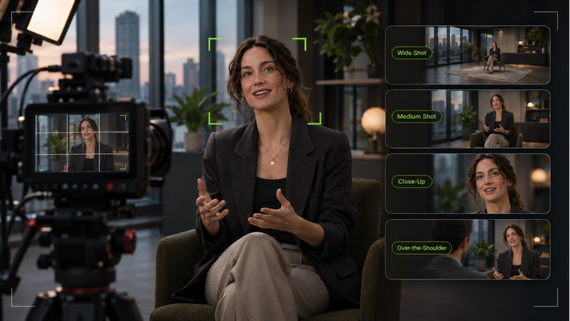
A micro drama has little time to win your attention. It opens a conflict, changes the stakes, and leaves a reason to watch the next episode. This guide explains the format and its storytelling choices, then shows how Kling AI helps develop the scenes that bring a short series together.
What Is a Micro Drama?
A micro drama is a scripted fictional series told through very short episodes, commonly around one to three minutes each. Many are made for smartphone viewing in a vertical 9:16 frame. Characters and conflicts continue across episodes, with compact scenes and cliffhangers encouraging viewers to follow the unfolding story.
The term microdrama describes a storytelling format. A micro drama series might build around a relationship, a family disagreement, a workplace ambition, or an unexpected discovery. Each episode moves the larger plot forward while giving the viewer an immediate question to follow. Chinese micro drama helped popularize this mobile-first format internationally. Unlike a standalone short video, each episode belongs to an ongoing story.
Two Production Approaches to Micro Drama
Live-action filming and AI generation offer two ways to produce episodic stories. Both rely on conflict, expressive performances, and a reason to keep watching. Here is how their production choices differ.
Production choice | Live-action filming | AI-generated scenes |
People and setting | Actors, locations, wardrobe, and props | Character and scene references |
Performance and camera | Recorded acting, blocking, and camera work | Action and camera direction guided by prompts and references |
Changes and continuity | On-set continuity and reshoots | Reused references and footage refinement |
Story structure | Short episodes and continuing characters | Scripted episodes with recurring characters and connected conflicts |
AI generation can turn a written scene and visual references into footage for an episode. Reusing character and setting references helps separate scenes feel connected as the story develops.
Developing Short Drama Scenes with AI
With your cast and setting established, each short scene needs a turn that moves the story forward. Kling AI is a creative platform for AI image and video generation and editing. With our AI video generator, you can turn written scene directions and visual references into the entrances, exchanges, and reactions your story needs.
Our video generation and editing model, Kling 4.0, combines Omni Reference, more stable complex motion, stronger storytelling, and reference-guided creation. Here is how these capabilities help you develop the recurring characters, action, and pacing of a micro drama.
Bring Characters, Settings, and Performances Together
A short-drama scene may draw its characters, setting, performances, and camera movements from different references. Bringing these choices together helps shape how the scene unfolds, from a character's entrance to the reaction that changes the mood.
With Kling 4.0, Omni Reference lets you combine up to 15 reference assets in total, including images, videos, and Elements. Images help maintain consistent character appearances, settings, and visual styles across scenes. Reference videos can guide performances, actions, camera movements, and narrative pacing, with white-model and depth-map video inputs offering additional control over motion and camera direction.
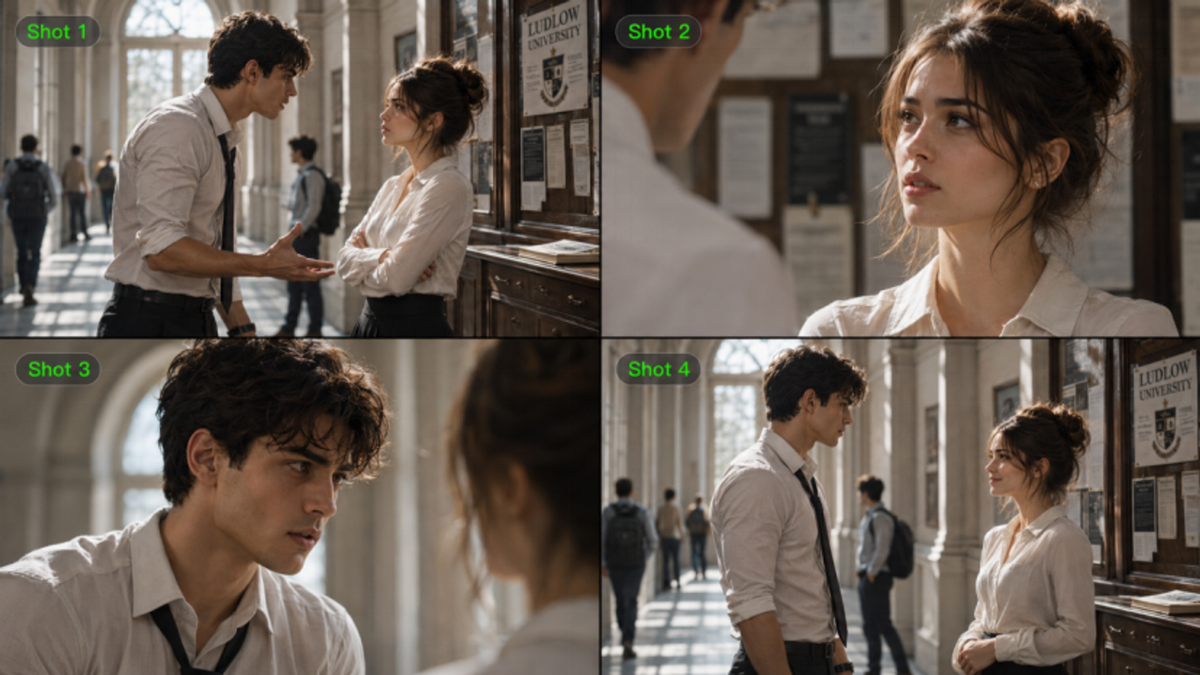
You can also draw on the storytelling structure of a reference video, such as how a confrontation builds through a sequence of shots, emotional reactions, and a final reveal. Then adapt that rhythm and visual approach to your own characters, setting, and storyline. This makes it easier to recreate effective short-drama storytelling techniques without planning every shot from scratch.

Keep Fast Action and Camera Work Connected
Fast entrances, changes of direction, and continuous movement can carry a scene's tension. Viewers still need to understand where the characters are and what their actions change. A tracking or orbiting camera adds another layer of movement, making physical and spatial continuity especially important in a brief dramatic sequence.
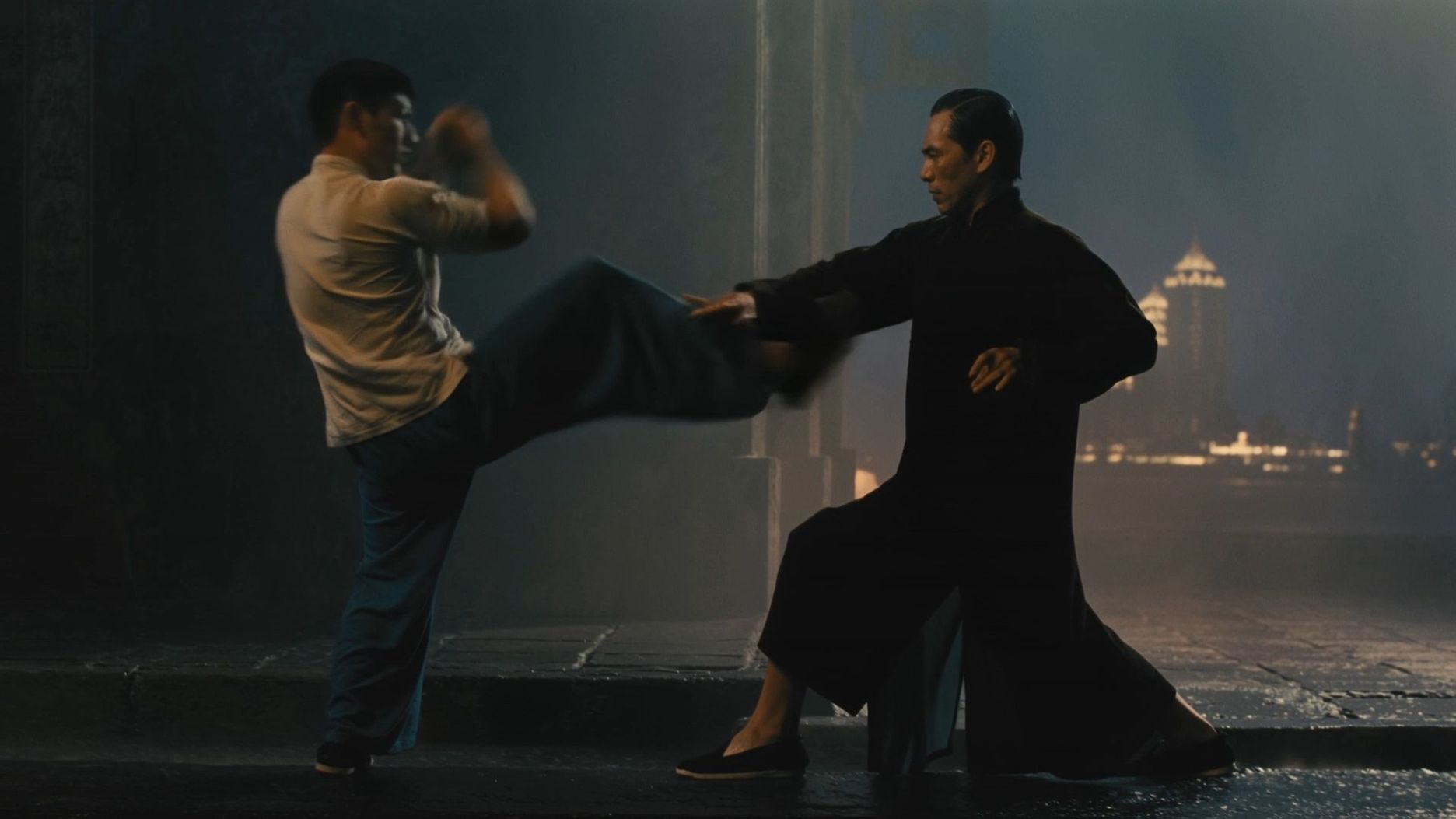
Kling 4.0 supports more stable large-scale motion and complex camera work, including high-speed movement, continuous action, tracking, and orbiting shots. This helps develop physically expressive performances with smoother transitions through space. In a chase scene, for example, the camera can follow a sudden change of direction while keeping the character's movement easy to follow.
Give Each Story Beat Room to Land
A dramatic turn needs room for its setup, action, and response. The director's choices determine which reaction to hold, when to change the viewpoint, and where to reveal new information. Compressing every beat into the same hurried rhythm can flatten the emotion that makes a short episode worth following.
Our video generation workflow connects your written scene direction with generated footage. Kling 4.0 combines generation from 3 to 30 seconds, enhanced prompt understanding, and flexible camera direction to develop connected story beats. You can use up to 10 images as keyframes to guide important visual states, such as a character's entrance, a reveal, and the reaction that follows, giving each moment a place in the scene's progression.
Refine Dramatic Scenes Without Reshooting
When a scene needs adjustment, you don't always have to generate it again from scratch. With Kling 4.0's video editing capabilities, you can refine character expressions, adjust actions, replace backgrounds, or change framing and visual styles. By specifying what to modify and what to preserve, you can develop new variations while keeping recurring characters and settings recognizable. This is especially useful for micro drama series that revisit the same locations and characters across episodes.
How to Create Micro Drama Scenes with Kling AI
AI video generation develops an episode through focused scenes. With the Kling 4.0 model, visual references establish the look and a written brief describes the action and camera direction. Preparing one clear dramatic turn at a time makes the resulting footage easier to develop into an episode.
Step 1: Gather Your Cast and Location References
Open Video Generation in Kling AI, select Kling 4.0, and enter Omni Reference. Upload character portraits, costume details, location images, or reference videos to guide performances, camera movements, and storytelling rhythm. Reuse relevant references when characters or locations return across episodes. If you have no reference materials, you can also start with a text prompt.
Step 2: Describe the Conflict and Its Turning Point
Write a prompt that matches your uploaded references, using @ to specify which assets guide the characters, setting, performances, or camera movements. Describe the conflict, the action or reveal that changes the situation, and the reaction that follows. Add framing, lighting, and camera directions to build tension and guide the scene toward a cliffhanger.
Example Prompt:
| Use @Image1 for the two students' appearances and @Image2 for the school hallway. Follow the confrontation pacing and camera movements in @Video1, but tell a new story: one student reveals a message, the other falls silent, and the camera slowly pushes in on her shocked expression. End before she answers. |
Step 3: Generate, Review, and Build the Episode
Choose 9:16 for a phone-first vertical episode or 16:9 for landscape viewing, then set the video duration and output quality. Generate and review the scene for clear action and character continuity. Use Kling 4.0 to make targeted visual edits if needed. To assemble an episode, right-click a generated clip in your generation history, select Add to Timeline, and open Timeline at the top right. Arrange clips, refine the pacing, preview the episode, and download the final sequence.
Tips for a More Compelling Micro Drama
Write for a Phone-Sized Frame
Important expressions and gestures need to remain clear on a small screen. Frame the interaction around the characters who matter in that moment, leaving room for hands and significant objects. A crowded composition makes the audience work harder to find the story.
Let Visual Details Carry Information
Dialogue does not need to explain every relationship or change in the story. Costume, posture, a familiar object, and the arrangement of a room can carry information that the audience reads immediately. Give the relevant detail enough space in the frame to register, then let the scene move forward.
Match Reference Coverage to the Intended Shot
Micro dramas often shift between close-up reactions and wider shots to build tension and reveal relationships. Choose references that match each shot's needs: clear facial images for emotional close-ups, and full-body or wider references for entrances, confrontations, and physical action. Keep character appearances, costumes, and key setting details consistent as the framing changes, helping viewers stay focused on the story.
Cut Repetition Between Episodes
A returning viewer needs enough context to reconnect, followed by a meaningful development. Repeating the same explanation or emotional exchange uses time that could advance the story. Let a recognizable location, object, or reaction provide continuity while the next scene changes something.
The End
A micro drama makes each scene earn its place in a continuing story. A readable conflict and a well-timed turn give a short episode somewhere to go. With Kling AI, reference-guided generation, expressive motion, and connected creation tools help develop that structure into footage, scene by scene, with the characters and their choices at the center.
FAQs
What Makes the Best Micro Drama Series?
The best micro drama series establish a clear conflict quickly, give viewers characters worth following, and build meaningful cliffhangers. Strong performances, consistent characters, and well-paced storytelling help each episode feel connected to the larger story. For creators, the key is to make every scene move the plot forward.
Do Micro Dramas Make Money?
Yes. Micro dramas can earn revenue through paid episode access, subscriptions, advertising, and distribution or licensing arrangements. The business model depends on the service and production deal. Revenue and profit are different: production, promotion, and audience acquisition also carry costs. Strong viewer retention helps a series sustain attention beyond its opening episodes.
How Do You Structure a Micro-Drama Episode?
Start with a clear conflict, develop it through a focused exchange or action, and end with a turn that gives viewers a reason to continue. Keep each episode connected to the larger story through recurring characters and unresolved stakes. A reveal, difficult choice, or unexpected reaction can move the plot forward without repeating earlier scenes.
Why Are Micro Dramas So Popular?
Micro dramas combine short viewing sessions with continuing stories that invite viewers back. Fast openings establish a conflict quickly, familiar characters make it easy to reconnect, and frequent turns create a reason to watch another episode. Phone-friendly presentation also lets viewers follow a series during brief breaks without committing to a conventional television-length installment.
Can an Episode Be Longer Than One Generated Clip?
Yes. A micro drama episode can combine several generated scenes into a longer sequence. With Kling AI, Timeline helps bring those scenes together while you shape their order and pacing. Each clip can cover a different story beat, with recurring characters and settings connecting the episode.